

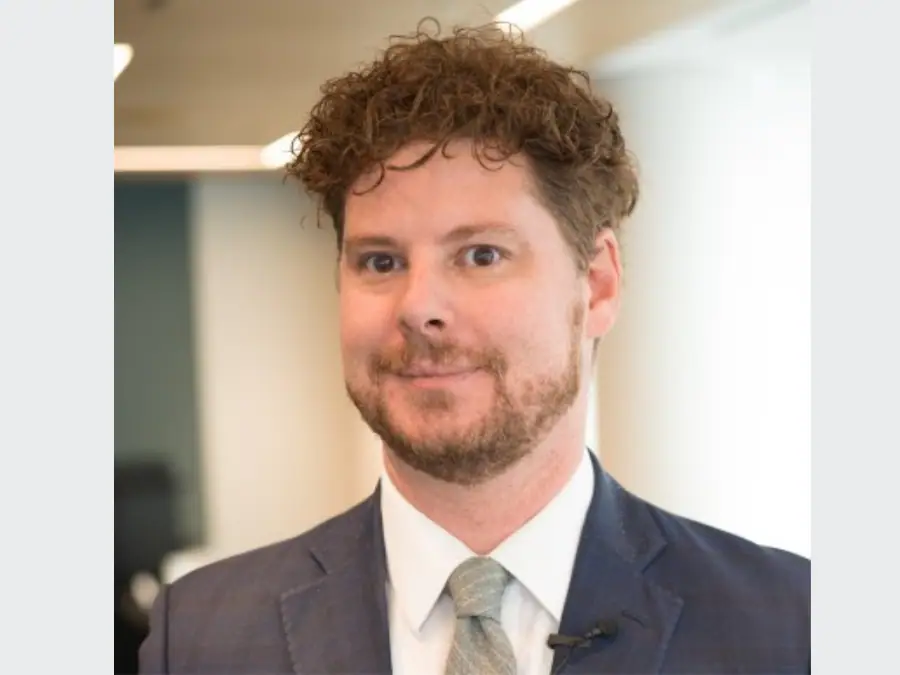
In the second part of Global Drinks Intel‘s exclusive interview with the CEO of the World Brewing Alliance, Justin Kissinger (below) tells editor Olly Wehring about the impact the craft beer movement had on the trade association and debates what’s shaped the health & wellness trend among beer drinkers. He also divulges what keeps him awake at night.
Who do you feel has been the main driver behind moderation in beer – the consumer or the brewers?
There are more like three drivers. Everything starts with the consumer, and they want to moderate – but this isn’t an alcohol only phenomenon. The health & wellness trend spans all sorts of different industries, such as snack food, confectionery and sodas. Any of these classes of products, where moderation is something that is good on balance, has seen this consumer movement towards more moderate utilisation of the product. Different industries have adapted in different ways to this, but it’s a core consumer trend.
For brewers, we have invested collectively in making a non-alcoholic and low-alcoholic version of the product that really stands up as a fantastic exemplar of the root product. Over the past ten years, it’s gone from brewers being able to do that with just a classic lager to all sorts of different varietals of beer.
When you combine that product innovation with a distribution that’s really committed to making these available to consumers, you then have a consumer that wants the product, a product that a consumer wants, and an opportunity for them to choose that product in more markets around the world.
As that trend has turned into a lifestyle, the realisation is that this isn’t just feeding a wellness trend, it’s actually equipping consumers to enjoy the product in ways that we never really thought of them being able to enjoy it.
That then creates new opportunities for people to integrate beer into occasions that – probably for good reason – have been lost over generations. A beer at lunch in 2026 is a different type of order than it was in 2016 – and certainly than it was in 2006!
That’s a credit to the brewmasters who have made a great product, the brands that have embraced the opportunity that it comes from, and the consumers who are buying into what we’ve been able to put out.
Credit also should go to the marketers, who have communicated that this is a social norm that we want people to aspire to and to participate in.
Your job sounds like it’s become much easier over the last decade.
Don’t say that my bosses! It’s great to have a story that is responsive to the challenges of the day. That’s something the industry’s worked on collectively to meet.
What causes you to lose sleep at the moment?
It’s not a new thing for this moment, but there remains a group of people who are very passionately anti-alcohol. They’re well organised and well funded, and the things that they’re pushing for fit into some larger social trends, so there’s a new focus on it. Our challenge is to tell our story and break through to people who aren’t looking at the data every day – who aren’t walking into the bar and seeing the changes that are happening.
There is still harmful use of alcohol – We still have more to do to further eliminate it, and we need to continue to do our part to prevent any backsliding. That’s a moving target over time, but we’ve heard those challenges and have started to move in a way that addresses them.
Now, it’s about taking those trends and making sure that the people who otherwise wouldn’t be exposed to them are. The average policymaker is probably only thinking about alcohol if they happen to be at a bar. It’s up to us to show people that the declines in mortality and morbidity are exceeding the declines in per capita consumption by a fairly substantial margin.
That tells me that not only are we doing a better job of dealing with the harmful use of alcohol, but our contributions are helping accelerate that in a positive way that still maintains our businesses’ commercial priorities.
Did the craft segment of the beer industry ever cause the WBA concern?
Not really. Craft beer’s a wonderful part of the sector – A tonne of innovation and opportunity for experimentation has come from craft brewers, both of which are harder to do at large scale. While they may have been known for higher ABV products at one point, you can see just as much experimentation at lower ABV levels as well. Besides, craft is too diverse to try to ascribe any one story to the sector.
In a lot of ways, the craft brewers are the ones who ensure that the innovation cycle keeps firing. They have a lot more licence for experimentation
Is the ultimate aim of an organisation such as the WBA to lobby its way out of existence?
I wouldn’t put it in precisely those words! Our job is to help the industry meet the challenges of the stakeholder group that we’re responsive to. If they stop needing to hear from the brewing sector, only then would we stop being needed.
Beer’s been around for a very long time and policymakers have always had an interest in alcohol policy – It’s an important part of society. Our focus is on promoting moderation and celebrating the category. That’s something that, when you’re talking about a highly regulated industry, is an evergreen need.
Everything seems peaceful right now, though.
We’re certainly in a bit of an interregnum at the moment. The UN has reaffirmed that where they were going is where they want to go – That’s an important moment.
We’re also in a lot of transition. In the next six-to-eight months, both the WHO director general and the UN secretary general is going to change. So, we’re kind of at the end of one phase and about to start another. Right now, we’re waiting to see what the agenda will be for the new stakeholders who are coming into some of these offices.