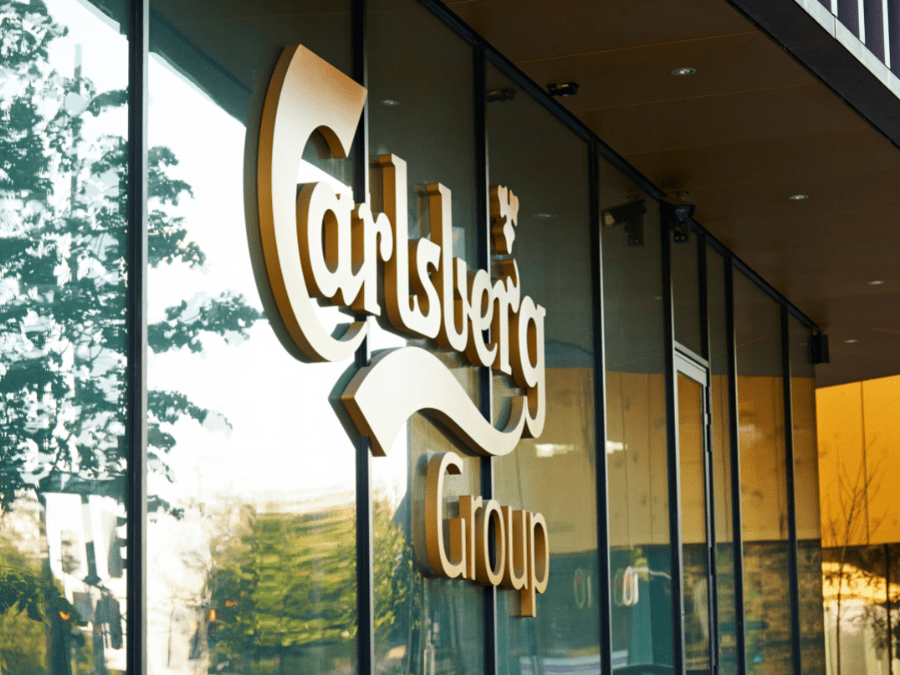
- Sales in three months to end of December total DKK15.5bn (US$2.23bn), up 6.3% in reported terms
- For full-year 2023, sales rise 9.2% (organic) to DKK73.59bn
While the group did not detail its performance in the quarter to the end of December in organic terms, Q3’s +5.8% was overshadowed, resulting in a full-year sales increase of 9.2% versus 2022. Total volumes for the full 12 months came in flat, dipping by 0.5%.
In commentary that considered the year as a whole, and focused predominantly on volumes figures, Carlsberg noted that its namesake beer impressed in Asia although its performance was hindered by lower volumes in Europe, resulting in zero volumes growth. Stablemate Tuborg, which sits with brand Carlsberg in the ‘premium portfolio’ , was up 3% in volumes terms, again thanks to Asia and most notably China, India and Vietnam.
Also at the premium end, Brooklyn is “progressing very well”, delivering a 34% volumes jump in 2023. Carlsberg acquired the brand rights for New York-based Brooklyn Brewery’s portfolio in Europe and several Asian markets in 2020.
Elsewhere at the brands level, ‘alcohol-free brews’ delivered a 3% volumes increase, while ‘beyond beer’, which hosts Somersby cider and flavoured RTD Garage, dipped by 3%. The group stated an appetite to “possibly expand [beyond beer] further through partnerships” in its results presentation earlier today.
All three reporting regions were positive last year with ‘Central & Eastern Europe’ leading, at +11.9% for sales by value. Price increases were credited for driving the region’s showing, while ‘Asia’s’ 8.4% increase also benefitted from rising prices. In China, however, the beer market “weakened considerably during the second half of the year”. A disappointing 12 months for high-end brand 1664 Blanc in the country demonstrated what the group described as “consumers becoming more price-sensitive”.
Carlsberg’s heartland – and biggest reporting region – of ‘Western Europe’ is exhibiting a challenging environment for the beer category due to “significant cost increases [and] weakening consumer sentiment”, the company said. Despite this, full-year sales in the region finished up by 8.9%.
Towards the end of its results statement, Carlsberg detailed the redrawing of its regional reporting structure, with ‘Central & Eastern Europe’ now also including India and Nepal. Both markets have been moved across from ‘Asia’ to “optimise regional management and ensure a better balance between the three regions.”
Last year represented a continuation of Carlsberg’s healthy post-Covid progress. Indeed, 2023’s +9.2% sales increase is the largest growth rate of the listed multinational alcohol brand owners to report so far this year, eclipsing previous leader Brown-Forman’s +1% from the six months to the end of October.
Of Carlsberg’s international brewing peers, Molson Coors Beverage Co will announce its 2023 numbers on Tuesday next week followed a day later by Heineken. Anheuser-Busch InBev will report on Thursday 29 February.
This article is available to Global Drinks Intel members only.
Click below for details on how to join the Global Drinks Intel community.
Already a member?
Log in here to read the article in full.
If you work for any of the following corporate subscribers to Global Drinks Intel, head here to activate your access.
- AB InBev
- Bacardi
- Campari Group
- Diageo
- Moët Hennessy
- Pernod Ricard
- Proximo Spirits
- Suntory Global Spirits
- William Grant & Sons