
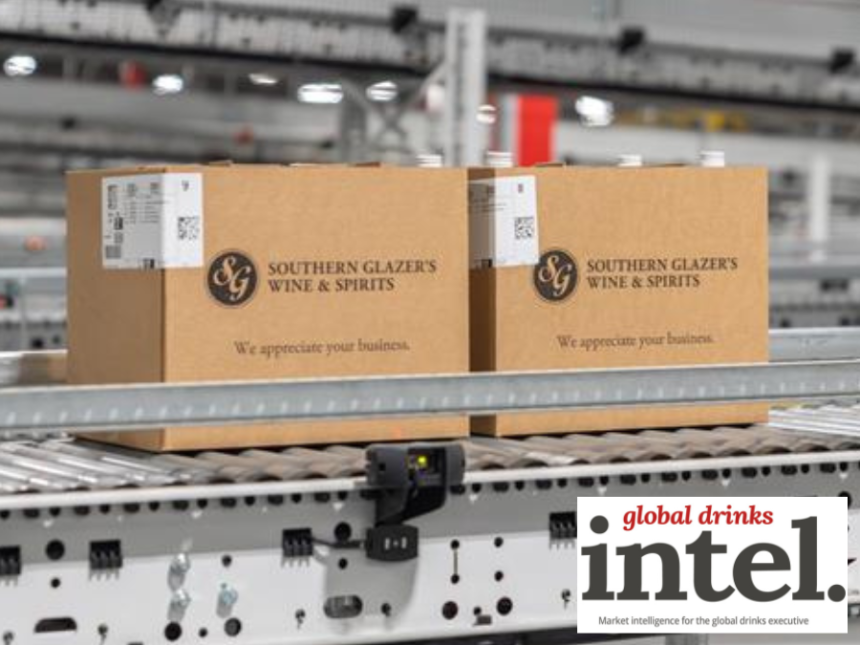
In the second part of Global Drinks Intel‘s exclusive interview with the CEO and the commercial sales president of Southern Glazer’s Wine & Spirits, editor Olly Wehring quizzes Wayne and Mark Chaplin on the recent high-profile developments in the US’s alcohol distribution marketplace, the part to be played by technology in the group’s future and whether the company should change its name.
What do you feel prompted Republic National Distributing Co’s withdrawal from California in September last year?
Wayne Chaplin: I think people had become so used to the business growing that they built their structure around growth. Then, all of a sudden, that growth isn’t there, but expenses and costs continue to rise, and you don’t have the velocity or scale to cover that.
For distributors of pretty much anything, the margins are pretty thin, so you have to be nimble. Even a company with the scale of Southern Glazer’s has to be able to change when the market changes. We’ve been adjusting the way that we do things, to tighten the belt and be prepared for when the market’s going to re-engage.
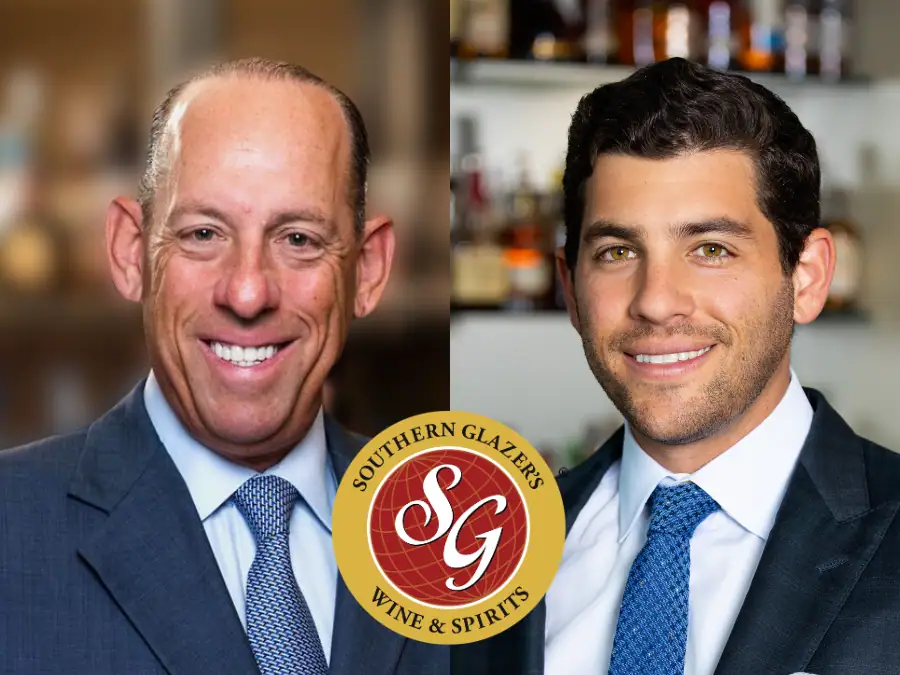
Southern Glazer’s has made several consolidatory moves of late, such as its purchases in March of New York’s Clare Rose and Eagle Rock Distributing Co in Colorado.
Mark Chaplin: We continue to see the consumer explore across categories, so it’s about meeting our consumers and our customers where they are and being able to provide them with a total offering. The average consumer drinks around eight different beverages a day and we’re trying to meet that head on. That’s really what this strategy is all about and why we continue to expand in this space. This allows us the opportunity to get in front of many more of our customers and our consumers with the brands that we’re fortunate to represent.
People think of us as new to the beer, non-alc and RTD industries, but we’ve actually been doing it at a smaller scale for many years in Nevada, South Carolina and a couple of other markets. Now, we’ll do over 60m cases of these types of products across our network. Hopefully, that shows how committed we are to the space.
This sounds like you may need to drop ‘wine and spirits’ from the company name soon.
WC: You must have been in our strategy sessions! We’ll be celebrating the tenth anniversary of the merger between Southern Wine & Spirits and Glazer’s in July. At that point, we’ll change the name of our company to Southern Glazer’s Beverage Co.
These lines have been crossed: We are no longer just a wine and spirits company.
Could the size of the group catch the eye of the monopoly authorities at some point?
WC: We don’t see that as an issue at all. Where we see the growth is in acquiring more beer distributors, and our share isn’t very large at all in any state with beer.
How does an alcohol distributor view the consolidatory overtures playing out among alcohol brand owners?
WC: We do watch it intently. Like you in the media, we’re wondering what’s going to happen, and we have no insight into what that will be. We always say that what we can control is what’s within our control. That is representing the brand owners that we have in the best way we can, presenting their products to our customers and executing in the local markets, and making sure that we’re growing their brands faster than the rest of the market.
We try not to worry about things that we can’t control.
Doesn’t it give you less to deal with if your supplier is as large as possible?
WC: We represent suppliers from the largest multinational spirits supplier in Diageo to lots of very small, family-owned single-brand suppliers like Clase Azul, which has one item.
As a distributor, you want to have a portfolio of brands that allows you to deliver as much value as you can to your customer. Come one, come all! We’re interested in representing great products from around the world to our customers in the US.
What do the smaller companies have to do to catch your eye?
MC: It’s about having a good business plan to engage with consumers here in the US and having a structure that can help collaborate with us. Those are the driving forces that we’re looking for.
We review thousands of brands every quarter. We’re always on the lookout and we can be reached through a whole bunch of different avenues.
WC: We continue to look for opportunities because we know there are so many good ideas out there. We’re fortunate that many people come to us with some of these opportunities.
How confident are you in the long-term survival of the three-tier system?
WC: Whether there’s a legal or a non-legal three-tier system, which is out of our control, we always look at it as we have to provide the maximum value that we can to our brand owners to ensure that we’re involved. We have to be a distributor that builds brands, that provides data, that provides insights, that provides efficiency, and a route-to-market for brand owners.
MC: It’s about building brands for the moments that matter with the best sales team, the best logistics and being a world-class insights provider. If we can do all three of those, then that will drive value to our brand owners and our customer partners.
How engaged with today’s – and tomorrow’s – technology is Southern Glazer’s?
MC: We’re embedding AI in a couple of different ways, as we look at inventory management and forecasting to make sure we have better product availability. We’re also leveraging it in some of our data tools to help us make better decisions to help advise our customer partners.
My brother, David, is our chief growth & strategy officer and was the lead on driving our ‘Proof Commerce’ platform, the first B2B e-commerce platform in our industry. It’s been an incredible success and we continue to invest behind it, to help our sales consultants be more effective on their sales calls.
Given Southern Glazer’s scale across such a fragmented market as the US, how do you locate the best solution to a business problem, when pretty much everything applies?
WC: We really spend a lot of time on insights. The data is the data, and therein lies the truth. Sometimes people don’t want to accept what the data says, so they come up with a conclusion that fits their narrative.
We don’t own the brands; we represent the brand owners. We want to tell them the truth about their brands – why they’re doing well or why they aren’t doing well – so that we can continue to help them grow and advance in the marketplace.
We like to say the data will set you free. Let’s all focus on one version of the truth!