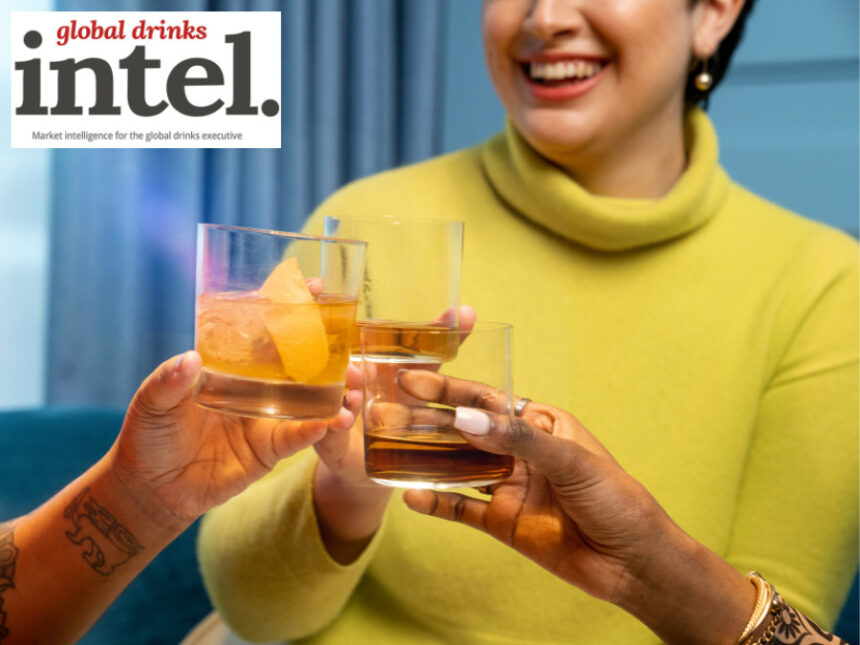
Online communities open exclusively to women+ are popping up across different areas of the drinks industry, from whisky to wine and from hospitality to operations. How do they serve the industry? And, why do groups like these still need to exist?
It’s a Tuesday morning and messages are flying on the Celebrate Her WhatsApp group. Discussion is in full swing as to whether annual drink days – International Margarita Day or World Bartender Day, for example – still carry relevance on social media channels.
Someone posts a reminder about the final nominations deadline for a big industry award, while another message asks: “Is anyone travelling between London and Rome in the next few weeks and can squeeze a couple of wine bottles into their hold luggage?”
This is a typical morning for the group, created to provide a space for women+ in hospitality to swap tips, job openings, drinks launches and advice in a safe and welcoming community.
What started in 2019 as a WhatsApp chat with 20 members has grown into a non-profit with almost 600 members across 52 countries and regions.
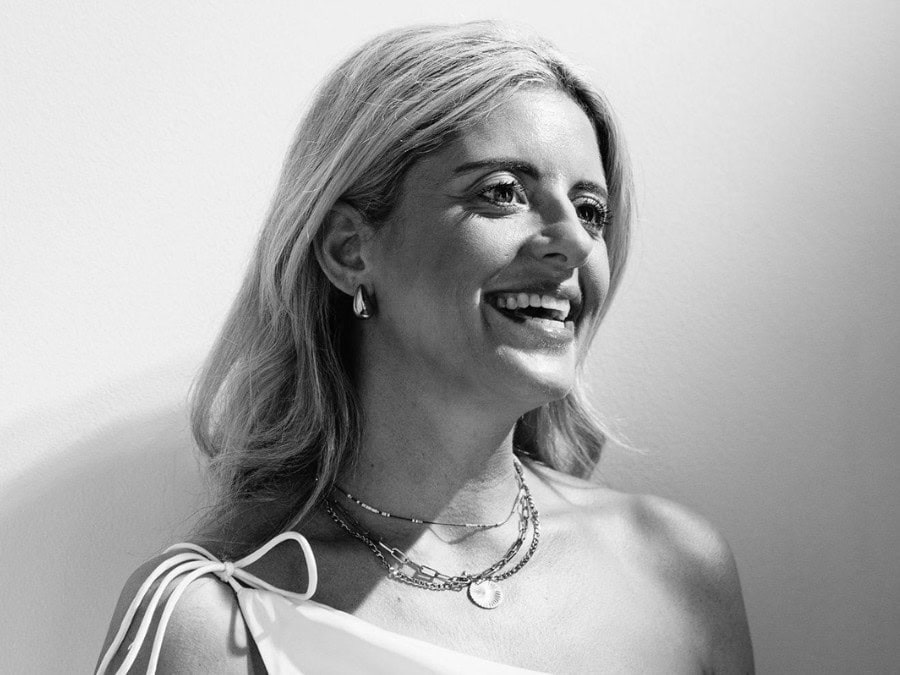
Founder Anna Sebastian (below) says the group’s “primary drive” is to connect as many people as possible, to make their working lives easier through community. Members of Celebrate Her have access to shared resources like city guides and a spreadsheet of industry events throughout the year. “It’s so simple, but everybody needs a marketing calendar of key dates,” Sebastian says. “Why do 600 people have to do it when we can do it and share that information?”
Why women-only spaces?
Women-only spaces are nothing new. In the 1970s, second-wave feminists used spaces like this primarily as political tools to challenge the male-dominated power structures, which symbolised the status quo.
Fast forward 50 years, and despite major strides forward, no economy has yet achieved full gender parity. According to a 2025 report by The World Economic Forum, it could still take another 123 years before the global equality gap between men and women disappears entirely.
As for the drinks industry, gender bias and a lack of representation continue to serve as barriers to entry, and to career progression. Two-thirds of women working in whisk(e)y have suffered harassment at work, according to a 2023 survey by OurWhisky Foundation. One in seven respondents reported experiencing inappropriate or sexual remarks while doing their job, while a third (33%) said they have been inappropriately touched.
In wine, research by Proof Insight and Curious Vines found that one in three women in the UK’s drinks industry have experienced harassment at work. Sexism, gender bias, a lack of women in leadership roles and discriminatory pay and conditions were some of the other key issues the research outlined.
Women-only spaces are designed to uplift and protect those facing these hardships. And unlike the groups pioneered by feminists in the 1970s, in 2026 many of these communities have shifted online.
Overturning stereotypes
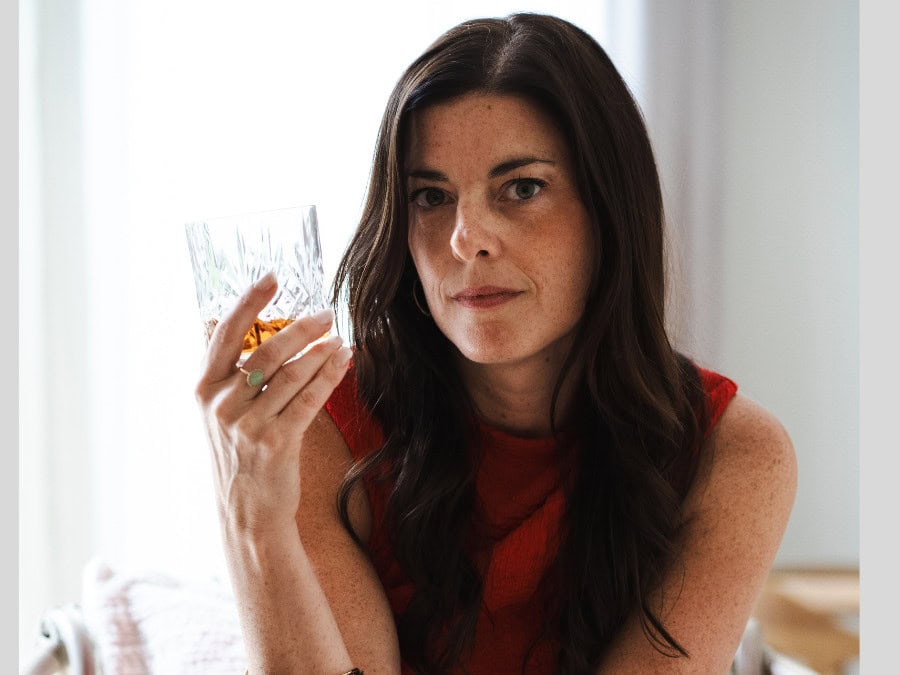
Becky Paskin (above) is the founder of OurWhisky Foundation, a non-profit that supports women+ working in whisk(e)y. When she launched the organisation in 2022, her aim was to “overturn the idea of who drinks whisk(e)y, because it was still very widely held that whisk(e)y was very much a man’s drink and a man’s world”.
Paskin has been running a group chat for members of OurWhisky’s ‘Atonia’ mentorship programme since 2024. Making the space exclusively available to women+ was a deliberate move.
“We wanted to make sure that there was a space that women could have to themselves,” Paskin says. “There’s a certain amount of trust within the group – knowing that you can go in and ask for suggestions without being shouted down, without being belittled or patronised.”
In January, the OurWhisky WhatsApp group opened up to all women+ in the industry, not just those on the mentorship programme. Keeping the group to just Atonia graduates and female mentors limited its reach, says Paskin, so it was a “no-brainer” to extend the group.
“We know that there are hundreds of thousands of women working in whisk(e)y globally that don’t have this resource,” she says. “Why would we close it off to just the graduates of our programme?”
Back-office visibility
When Chantal Rusconi created OperationVinos, the intention was to bring together women+ working in operations, logistics, customer service, finance and other behind-the-scenes roles in the wine industry – areas where people are essential to the business, yet often less visible and with fewer opportunities to connect across the trade.
The WhatsApp group, which started in mid-2025 and now has more than 50 members, is open to women+ working in wine outside of sales and hospitality. “It’s not about excluding,” she says, “it’s more because we have a lack of visibility.”
Rusconi’s aim? “That people in back office roles can find a way to see that there’s a career path for us in the wine industry.
“We don’t need to move to a sales position or buying or hospitality to enjoy the perks of the wine trade.”
Recruitment and retention
Online communities like these provide a welcoming space for women+ entering the drinks industry and, in turn, increase both recruitment and retention rates.
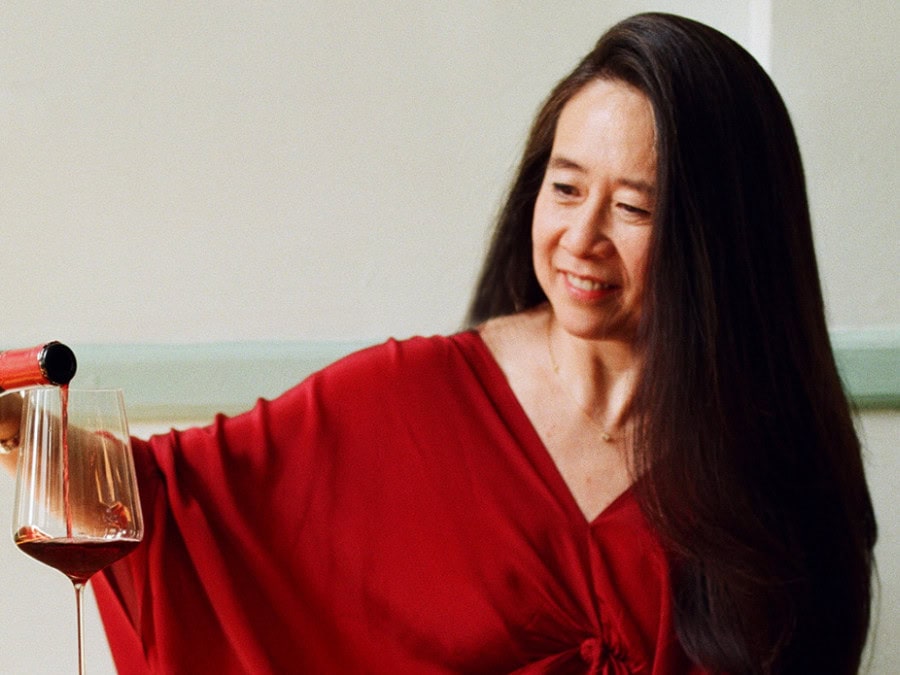
Queena Wong (above), founder of Curious Vines, believes that increasing diversity across the industry is the only way to ensure its future. “It’s not just a women thing, but the women thing is part of the solution for wine’s commerciality and its success,” she says.
Curious Vines hosts events, panels and tastings, while its weekly newsletter provides a digital platform for women+ to promote their work. “Every week, people open those newsletters,” says Wong. “They want to know what’s going on. They want to see the people, the names. They want to see the fresh talent. They also want to see where there’s business.”
Having entered the wine trade as a private collector, Wong often found herself to be the only woman in the room at dinners and tastings. She experienced gender bias “very strongly on the consumer side”, and now campaigns for improved inclusivity and diversity across the board, advocating particularly for women+ from diverse backgrounds and under-25s.
“It’s really important to make sure that we equip women to deal with ageism,” she says. “If you’re someone who’s been in it for 40 years, of course you’re going to know a damn sight more, because you’ve drunk all the vintages, or you know all the producers. When you’re 25, you don’t have that, so until we can get over this knowledge barrier, we need to make sure the young person is not put off by the huffing and puffing of knowledge that’s spouted at people for the wrong reason.”
For Wong, women-only groups such as Curious Vines are a space for “natural mentoring” to take place without intimidation. The community provides “connectivity, not only between peers, but through the vertical; through senior women able to be inspirations for fresh talent”.
Exclusion not the impetus
It’s not all plain sailing though: both Paskin and Sebastian have experienced pushback from people arguing that gender-specific groups are sexist or exclusionary.
“There are some people who disagree with women-only spaces, and who are vocally very, very negative about some of these things,” admits Paskin.
But exclusion is not the impetus. Sebastian says: “We have to respect the fact that there are groups – and should be groups – intentionally just for certain demographics.”
Chat-based groups like these also face internal challenges. Paskin says her WhatsApp chat needs to be strictly moderated, or else “things can very, very quickly fall apart”. She says: “Occasionally, the conversation might turn to things which are divisive, particularly around certain American elections.”
Celebrate Her has run into similar trouble. “We don’t encourage political conversations, because everybody has their own viewpoint that they’re entitled to, and we do have to be careful,” says Sebastian.
But, she says, challenges have been limited. “There have been times where we’ve had to put a hold on the group, so we’ve paused the chat for 24 hours,” Sebastian explains, but this has happened fewer than ten times in the last five years.
“At the bottom line, our purpose is to make the industry better,” Sebastian says. And this mission goes beyond women: the more safe spaces the industry has – and the more communities that make people feel seen and represented – the better.
“I wish I could replicate what we have with Celebrate Her for men and other people as well,” says Sebastian. “No matter what gender, communities like this can have a real benefit.”
This article is available to Global Drinks Intel members only.
Click below for details on how to join the Global Drinks Intel community.
Already a member?
Log in here to read the article in full.
If you work for any of the following corporate subscribers to Global Drinks Intel, head here to activate your access.
- AB InBev
- Bacardi
- Campari Group
- Diageo
- Moët Hennessy
- Pernod Ricard
- Proximo Spirits
- Suntory Global Spirits
- William Grant & Sons