Aaron Kiel is an award-winning journalist and PR professional based in Raleigh, N.C., with over 20 years of experience in the beverage, tea, coffee, hospitality and technology sectors. Connect with him on Instagram or head here for more details.
Bold flavours, global influences, innovative beverage programmes, advancing technology and continued pressure from rising costs will dominate conversation in the US on-premise in 2026, according to hospitality experts.
Executive chef Jacob Hammer of Husk Savannah, part of The Neighborhood Dining Group in Savannah, Georgia, believes that owners and operators now need to find a way to say ‘yes’ to every guest’s needs and desires to reach different demographics.
“Suddenly, fine-dining restaurants have cheeseburgers and fried chicken on their dinner menus,” Hammer says. “Espresso martinis are on every menu next to the meticulously created cocktail list. This movement is fantastic for the guests, being able to find some comfort in any restaurant regardless of your palate.”
He feels that “comforting, classical and approachable” F&B offerings will be key to reaching more consumers. “By classical, I mean things like coq au vin, clams casino, sazeracs and vespers,” adds Hammer. “Restaurants will try to make these focal points and perfect them the best they can.”
Affordable comfort
Chef Dung ‘Junior’ Vo of Noko and Kase x Noko in Nashville, Tennessee, agrees that approachability will shape F&B menus, although he also adds affordability into the mix. “People are eating out less, so when they choose your restaurant, they want something familiar, comforting and low risk,” says Vo. “They want to know what they’re going to get and trust that you’ll deliver it every time.”
Consumers will “stretch the dollar” in 2026, says Justin Fields, corporate chef for the recently opened interactive entertainment venue Play Sporting Lounge in Doral, Florida.
“People are seeking value without compromising a quality experience,” he says. “Attractive offerings paired with a touch of excitement – tableside action, adventurous flavours, ‘eatertainment’ – can edge out a typical dining experience.”
Experiential hospitality
Kim Alter, chef & owner of bistro and cocktail lounge Nightbird in San Francisco, California, agrees that the channel’s visitors will be watching their money closely, so offerings must be special to entice them to go out, especially for fine dining. “An upcoming trend will be to make each dinner more of an experience, whether that means more tableside interaction or themes,” she notes.
Wanting more for one’s buck isn’t just about consumers being budget-conscious, though. Experiential hospitality taps into something deeper, argues Carrie Gillespie, senior manager of field sales marketing at global flavour solutions company Monin.
She points out that, for many, juggling work with family responsibilities while navigating constant digital noise makes the average day feel like a pressure cooker.
“As a result, consumers are carving out mini moments of escape that offer a relief from reality,” says Gillespie. “Expect menus to reflect consumer desire to be ‘whisked away’ with an increase in both nostalgic and adventurous flavours that evoke feelings of a good time and exotic destinations. Menus will also be refreshed to feature more ‘snack’ food and beverages – mini-indulgences that allow one to ‘treat oneself’ without breaking the bank.”
Consumer demand for variety and shared experiences is driving demand for interactive F&B experiences, according to Tara Lewis, trend expert at Yelp, a digital publisher of crowd-sourced business reviews. Consumers “crave value, novelty and opportunities for social connections”, she explains.
‘Purposeful indulgence’
Ryan Damelin, founder & CEO of DealHop, an online platform that connects venues and retailers with local consumers via time-sensitive deals, believes menus will be shaped by the growing tension between value-seeking behaviour and the desire for more memorable experiences.
“Diners aren’t necessarily cutting back on eating out,” he says. “Instead, they’re being more intentional about where and when they choose to spend.
“This is driving a rise in ‘purposeful indulgence’, where guests gravitate toward premium small bites, curated flights and short-run specials that feel exciting without demanding a major spend. It’s about offering novelty in controlled, operationally efficient ways,” she says.
Cultural relevance
Increasingly, on-premise visitors will opt for places that feel culturally relevant, says Matt Rinehart, VP of F&B at HRI Hospitality, an owner, operator and developer of premium hotels across the US.
“They want restaurants and bars that reflect the time and place they’re at and who they are – or want to be,” he says. “This means bold branding, experiential design, legit culinary and beverage points of view and menus that push a little. Safety and sameness used to win; now they’re the fastest way to be ignored. Authenticity isn’t a trend anymore, it’s the baseline.
“Travellers expect local flavour, not hotel-safe menus and not the same cookie-cutter drinks list copy-pasted across 20 properties. They want bars with genuine personality and programmes that reflect the neighbourhood, the people and the culture, not concepts built by committee.”
All things Asia
Asian-inspired F&B will continue to grow in 2026, especially Japanese offerings. “Korean BBQ and sushi are becoming even more popular, and Asian culture in general has become more popular in the US, even beyond food,” he says. “People are more curious and open to these flavours and techniques.”
Yelp’s Lewis points to black sesame becoming a menu standout, appearing in matcha drinks, coffee and desserts. Innovative matcha combinations, such as banana matcha and banana pudding matcha lattes, are also drawing consumer interest.
Meanwhile, she notes that South-East Asian flavours like dragon fruit, yuzu and lychee are moving into the mainstream. “Adding these trending flavours is an effective way to differentiate your menu,” Lewis says.
Japanese ‘functional simplicity’
Silvia Mella, the founder & creative director of Sōrate, a Japanese green tea company based in Brooklyn, New York, agrees that this year will see more Japanese influences, such as matcha, as well as simple ingredients.
“2026 will continue the rise of functional simplicity – ingredients that are naturally powerful, wholesome and culturally rooted,” says Mella. “Expect increasing momentum around Japanese botanicals, including yuzu, matcha, hojicha, ume, sakura, roasted barley and shiso; minimal-sugar natural sweeteners like maple and raw honey; and earthy flavours such as buckwheat and toasted grains.”
Mella’s advice to operators is to incorporate ingredients with “cultural backbone” and real functionality, not just novelty. “Guests will gravitate toward flavours that feel both ancient and relevant,” she adds.
Tropical modern flavours
Play Sporting Lounge’s bar manager, Victor Barriera, expects growing momentum behind “tropical modern flavours”, such as clarified pineapple, passion fruit, guava, hibiscus and botanicals, clean citrus profiles, rum and agave spirits, and culturally specific Latin and global culinary influences expressed with refinement rather than fusion.
“The best advice is to lean into authentic regional ingredients, keep flavour profiles bright and modern, incorporate wellness-forward elements like fresh juices and herbs, and build recipes that balance trend appeal with high-volume operational efficiency,” he says.
Premiumisation will march on
Drinks premiumisation will continue, according to HRI Hospitality’s Rinehart, with “better spirits, better ice, better garnishes, better storytelling”. He adds: “Guests want options that are thoughtful and crafted, and cocktail programmes driven by culture, not by tired corporate playbooks.
“Expect to see a shift toward beverage experiences that feel truly alive – agave-centric menus, terroir-obsessed wine programmes that educate, neighbourhood collaborations and bars that rotate themes, similarly to how retail rotates fashion.
“Sustainability, too, continues to matter – reclaimed citrus, upcycled ingredients, smaller footprints and bartenders who truly know their sourcing.”
Culinary and sensory innovation
Culinary cocktails make up nearly one in five drinks on New York City’s best menus, reveals Kevin Denton Rex, director of The Spirits Authority, a trade education and advocacy platform for bar professionals.
This is proof, he says, that consumers will pay premium prices for savoury, food-inspired serves. “This is the bleeding edge of cocktail culture,” he says, “and it’s shaping what guests expect nationwide.”
Wynn Resorts North America master mixologist Mariena Mercer Boarini says the hot and dirty martini – a spicy, savoury twist on a classic dirty martini – will dominate menus. “At Wynn Las Vegas, every venue will have its own take on the serve,” says Boarini, adding that guests “don’t just want a drink – they want an immersive moment”.
Meanwhile, Monin’s Gillespie points out that ‘sensory inclusions’ are becoming an expectation in both alcoholic and non-alcoholic cocktails. “Playful textures invite consumers to explore, experiment and savour every moment,” she says.
“From the pillowy bounce of toasted marshmallows, buttery crumble of cookies, nostalgic crackle of Pop Rocks, airy crunch of freeze-dried mochi and chewy surprise of hidden gummies to the creamy silkiness of coconut cold foam, each element transforms every sip into a tactile adventure worthy of sharing on social channels.”
Herbal mixology’s chance?
This could be the year that herbal mixology finally takes off, suggests Yasmin Crystal Santos, founder of Altar Native, a herbal alcohol alternative that can be added to drinks.
“Functional beverages are certainly the next wave of the sober-curious trend,” says Santos. “Especially caffeine and THC-free offerings. The public is beginning to get a better grasp on their personal health preferences, both physical and mental. Many are opting out of caffeine and other substances, opting instead for beneficial botanicals that help the body regulate stress – drinking herbs instead of alcohol.”
Earl Grey tea may take the spotlight this year, says Amber Lam, assistant GM at Hearth & Hill – Sugar House in Salt Lake City, Utah. “It might be the time for Earl Grey to shine again – or other teas like chai,” she suggests. “Matcha is expensive and hard to get right now, so people are looking for the next matcha-esque thing.
“Earl Grey lattes are nice, but Earl Grey cocktails elevate a space.”
Boozeless with benefits
No- & low-alcohol will continue to grow in 2026, but the focus will shift from boozeless to beneficial, says Sam Scarlett, hospitality & beverage director for The Wine Kitchen in Leesburg, Virginia, and Frederick, Maryland.
“Low-ABV and zero-proof cocktails aren’t new, but 2026 is the year I see them going more intentional,” shares Scarlett. “Guests are realising these drinks aren’t just stand-ins for the real thing; they’re often crafted with equally premium ingredients and deliver the same sense of ritual and satisfaction.”
Scarlett adds that bartenders are using the no/low category to explore health & wellness-driven ingredients. “Think calming, regenerative or functional components that feel restorative, not restrictive,” he says. “It’s the meeting point between the bar and the wellness world.
“Non-alcoholic drinks culture is becoming more about what is in the drink, instead of being inherently defined by what has been left out.”
AI the ‘name of the game’
Artificial intelligence is front of mind in almost every industry right now, including hospitality, says Play Sporting Lounge’s chef, Fields. “There are many avenues where AI can have a major impact in our industry, but 2026 will be the year where all players, from the mom-’n’-pops to the bigger fish, learn how and where to place their feet with this tech,” he predicts.
“AI has huge potential to turn up the volume on efficiencies – the work is dialling it in and customising per the very unique needs of each and every operation.”
Tech will play a more prominent role, especially in menu engineering, and will offer optimisation, agrees Amber Trendell, senior strategy director at restaurant tech provider Oracle. “This will be shaped by unified, omnichannel technology that quietly powers warmer personalisation and sharper segmentation, rather than relying on intuition or historical data alone.
“When POS, loyalty and payments are standardised across locations,” she continues, “you can use embedded machine learning and generative AI to create new menu items based on inventory on hand, generate menu item descriptions optimised by channel and daypart, and launch limited-time offers.”
Trendell says the F&B industry will likely see increased adoption of machine learning in product development, to conduct taste profile studies similar to consumer packaged goods, as brands realise return on AI investment in other areas and extend its use.
AI is the single biggest long-term trend in the industry, according to Chicago-based on-premise expert & president of Hospitality Works Izzy Kharasch. “On this same line, chatbots for phone systems are starting to come into play and, by this time next year, I’m sure [they] will be in more than double the operations.”
Real-time data opportunities
On-premise owners and operators should pay close attention to the rise of real-time deal distribution and inventory-based offerings, says DealHop’s Damelin. “More venues are using technology to push out short-term specials based on surplus inventory or upcoming slow periods, which reduces waste and increases margins,” he says.
“Marketing is becoming hyper-localised – down to specific blocks, buildings and commuter patterns – because customers respond strongly to geographically relevant prompts. DealHop sees enormous engagement when an offer is aligned with someone’s route or neighbourhood.”
Damelin adds: “The advice here is to shift away from broad, generic marketing and embrace tools that allow for highly targeted, moment-based outreach that actually drives foot traffic.”
Consumers increasingly want to feel recognised and valued for their loyalty, says Ryan Maybee, co-founder & MD of J Rieger & Co distillery in Kansas City, Missouri. This has already led to a rise in private member clubs, subscription offerings and loyalty programmes, and Maybee expects more of this in 2026.
“This approach benefits both sides – guests feel special, and brands deepen engagement, strengthen retention and create unique experiences,” he says. “A great example is our recently launched Private Stock Society, which has received tremendous response. By focusing on authenticity, personalisation and meaningful rewards, programmes like this can elevate both the guest experience and the overall brand connection.”
The biggest challenge? Rising costs
Rising costs will be the biggest single challenge faced by owners and operators in the hospitality industry this year, claims Kharasch. “In addition to the general cost of living increases, the tariffs are increasing costs as much as 20%-to-40% on specific items,” he says.
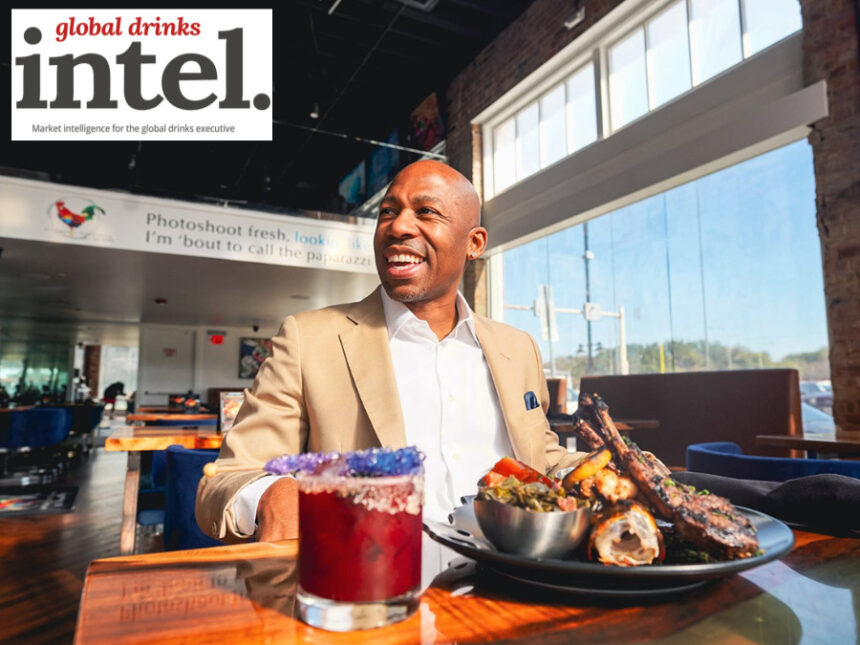
How the current economic conditions impact consumers is the biggest challenge facing the channel, according to entrepreneur Kevin Kelley (main image), owner of Kitchen + Kocktails By Kevin Kelley, which has venues in seven states.
“Many guests still have the means to dine out, yet others are struggling with the financial resources needed to enjoy a meal outside the home,” says Kelley. “The real challenge is finding a way to deliver quality food, drink and experiences without placing too much pressure on the budgets of consumers who genuinely want to dine with us.”
Embracing the future
A “flexible-forward mindset” will be needed in order to navigate the trends and challenges ahead, says Damelin. “The landscape changes too quickly for rigid annual plans or static menus,” he notes. “Operators should embrace small experiments – 48-hour specials, hyper-local promotions, seasonal micro-collabs and rotating beverage features – to identify what actually moves the needle.”
Owners and operators should stop using the phrase ‘this is the way we’ve always done it’,” suggests Kharasch. “The single biggest mindset change has to be ‘embrace the future’. Learn to use AI, learn to use chatbots. Be prepared to substantially change your menus to incorporate food and beverages that will have a great perceived value and make guests want to come to your restaurant more often.”
Jenni Karakasevic, director of operations at family-owned, 13th-generation Charbay Distillery in California, warns not to chase every trend. “Chase what aligns with your brand, your guests and your team,” she suggests.
“The industry is shifting toward intentional hospitality and honest craft – which is a great direction for everyone.”
Bar & Restaurant is the hospitality business authority, providing the knowledge and resources owners and operators need to thrive. Head here for more details.