

Kamil Gębski joined Polish group Maspex as marketing manager in mid-2015. Following the creation of the Maspex Spirits division three years ago, he moved across to head up the unit’s marketing operations. Here, Gębski shares more details about the company’s recent acquisition of Purcari Wineries in Eastern Europe.
Can you provide some background about your role and the areas you manage?
I’m the marketing director for Maspex Spirits. The company was called CEDC International, but it was acquired by Maspex in 2022. Since that moment, I’ve been in charge of marketing for our brands.
A lot has changed since then. We acquired brands in the Czech Republic, and now there’s the acquisition of Purcari Wineries in Moldova, Romania and Bulgaria. So a lot is happening.
Even with the brands we acquired in 2022 – iconic Polish spirits brands, mainly vodkas like Żubrówka and Soplica – a lot has changed, and for the better. Soplica, for example, has been internationally recognised for a long time. It was once among the three biggest vodka brands in the world.
Soplica was established in 1891, so it’s a very old brand. It’s well known for its mastery in producing fruit liqueurs. With both these iconic, much-loved brands, we’ve given them new energy, while respecting their history and heritage.
For me, this has also been a big learning experience about the spirits industry – understanding its specifics, but also seeing what can be applied from other FMCG categories. I believe the changes we’ve made give these brands a new life, without losing their iconic status.

What can you share about the Purcari acquisition?
This was announced earlier this month. I can’t say too much because we’re a publicly-traded company and there are legal confidentiality requirements. But, following a public offer, we have acquired a controlling position and are in the process of obtaining the customary approvals.
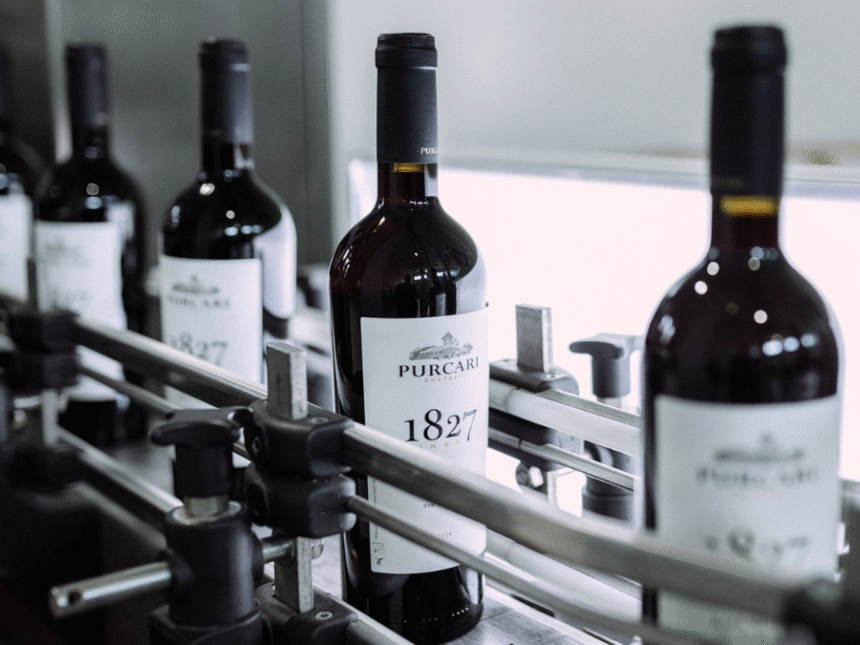
Purcari is a beautiful, premium European winery and a great addition to our portfolio. The wine category has been growing for decades in Central Europe, with consumers becoming more educated and more curious. They love variety and trying new labels, types and flavours.
There’s a huge opportunity for wines from what we’d call ‘New Europe’ – central, eastern and south-eastern Europe. Romania and Moldova produce excellent wines with strong heritage. Purcari itself is almost 200 years old, and the care and passion put into the brand in recent years is inspiring.
Our goal is to build on this – expand distribution, explore growing trends in wine and use Purcari’s premium positioning to appeal internationally. The team at Purcari know they have an amazing product, and they’re eager to build its reputation as one of the standout ‘New Europe’ wine brands worldwide.
Returning to the vodka portfolio, which is more under your remit, how are you approaching your current brands from both a marketing strategy and an innovation perspective?
Let’s take Soplica as an example. It’s a strong local brand with excellent quality, and it’s ready to enter new markets and segments. Soplica started with flavoured vodka, then liqueurs. Globally, liqueurs are growing – they offer taste, a slightly lower ABV and they work well in mixology, which is becoming more popular with younger generations.
We’ve also expanded into new categories – for example, introducing Soplica with mint in the bitters segment. Soplica already has credibility for high-quality flavours, so consumers welcomed this warmly. It’s won awards for flavour and quality around the world.
We’ve also been more experimental, creating exotic and non-standard flavours inspired by things outside the category – like coconut mango (inspired by mango sticky rice), watermelon mint or cactus. Soplica always wins with flavour.
Traditionally, Żubrówka was seen as our main export brand, but recently Soplica has shown equal potential – especially in markets with strong liqueur cultures, like the Netherlands and the UK. Consumers notice the quality difference, and we’ve already started active campaigns in the Netherlands, with plans for other markets next year.
What’s your view on Eastern European vodka heritage as a marketing tool for Żubrówka and Soplica? Does it still carry value?
Heritage and place of origin are important in spirits – they give credibility. But it’s not as clear-cut as people think. Many still believe vodka comes from Russia, but it was invented in Poland. Educating the world about that would take huge investment, and I’m not sure it matters as much now.
Today, there’s interest in Ukrainian vodka, and consumers are also open to vodkas from places like Germany or the Czech Republic. The market is more adventurous.
For us, it’s less about only promoting Eastern European heritage and more about showing that this region has something unique and attractive to offer in spirits. The category has historically been conservative, but now consumers are open to new ideas, new ways of drinking and products that are softer, more innovative and flavour-led. That’s a great opportunity.
It sounds like there’s diversification and an expansion of offerings.
Yes. After Covid, there was talk that Generation Z was abandoning spirits, but in reality they just have different consumption patterns. They’re more open to variety, lower-ABV drinks and creative mixology. That creates many opportunities.
Are younger LDA drinkers a key demographic for you?
It depends on the product. For some, especially in new markets, yes, because they’re more flexible and open to trying new things. But they’re not the main consumer base for our core portfolio. We’re not chasing them exclusively, but we definitely have them in mind and target many activities toward them.
How important are the likes of festivals, sports and out-of-home activations to your marketing strategy?
Very important, especially in Poland, where regulations mean we can only communicate in places of consumption or through direct contact. That makes festivals and bars our main communication channels.
At festivals, for example, we’ve had spectacular brand zones – Żubrówka’s zone was like a music club in the middle of the site, with huge 3D bison animations. Soplica has bar zones with brand ambassadors serving liqueurs directly from backpack dispensers shaped like bottles, which are very popular at music events.
For Becherovka, we’ve focused on building an on-trade ritual around the ‘Beton’ (Becherovka and tonic), boosting visibility in bars in Poland and abroad. Experiences like these are far more memorable than seeing an ad on the street.
Are you looking for more acquisitions after the Purcari purchase?
Our M&A department is always looking – that’s their job! But there is a clear pattern: we focus on strong local brands with the potential to grow internationally. They need a compelling story, strong heritage, great quality and a committed team behind them.
That’s how it was with Żubrówka, Soplica, Becherovka and now Purcari. A good example is Becherovka: in just a year, we’ve introduced new products, communication tools and revitalised heritage consumption rituals like the Beton cocktail – giving them new scale and energy.