

At this very moment, many people around the world are working on rejuvenating beverage brands. You can understand why. Who would not want to restore a brand back to its former glory? It must be easier and more efficient than starting from scratch — right?
When done well, rejuvenating a brand can be exciting to be a part of and extremely lucrative for the parent company.
Unfortunately, brand rejuvenation is also difficult. In the world of spirits, especially with its relative low purchase frequency, turning around long-term trends is challenging.
The dictionary definition of rejuvenation is ‘giving new energy or vigour to something’. In the beverage world, this means returning a once successful brand that is currently underperforming (in absolute or relative terms) back to a positive momentum.
I have led several successful brand rejuvenations, but also experienced a failure or two. From both (especially from the failures), I have developed a shortlist of killer questions that people should ask before they commence rejuvenating:
Why does the brand need rejuvenation?
This should be obvious but understanding why the brand needs rejuvenating has to be the starting point. What has caused its decline? Is it a category issue? Is it declining relevance or differentiation? Is it an investment issue (quantity or quality)? You need to be able to articulate what has gone wrong before you develop a plan to make it right.
What are the objectives behind the rejuvenation?
This needs to be compelling, given the effort required. What are the specific strategic, consumer and financial objectives behind the rejuvenation? Within the consumer objectives, you should specify whether you seek to reconnect with an existing consumer group or target a new market.
How does this brand rejuvenation objective stack up versus other priorities?
Many companies have multiple brands and therefore the choice of whether to rejuvenate Brand X must be taken in the context of the whole portfolio. Understanding the relative probability of success and size of prize is vital before starting a rejuvenation strategy.
What time frame and resources are you prepared to devote to it?
It takes time and investment to change the dynamic of a beverage brand. The problem will have developed over several years, so it will take good work over time (and some luck) to turn around the performance. From experience, to help keep the faith of stakeholders you need to align upfront on two or three leading indicators to demonstrate you are on the right track. For beverage brands, this can be sales velocity in a small number of target accounts. It can be the opinion of key influencers (e.g. bartenders) or a social media metric.
What are you going to do differently?
The new strategy needs to be different in at least some ways from the existing non-successful strategy. This does not mean that everything needs to be changed or that you need to start again. You should explore what could be relevant today if expressed differently. Often, there is gold within a brand if you look hard enough. You should also assess if there are emerging consumer trends you can exploit that were not a factor before.
A brand rejuvenation strategy should be choiceful. What are you going to focus on? More importantly, what are you choosing not to focus on? You should specify why the brand is differentiated today from its competitive set and why it can become relevant again to its consumers. The rejuvenation strategy should be consistent over time and across geographies (the execution can vary locally).
What will you do to win hearts and minds of internal stakeholders?
Employees and distributors are critical gatekeepers to the success of a rejuvenation. Ultimately, a brand rejuvenation will live or die by its connection with consumers. You can only get there, however, if internal stakeholders buy into what you are doing.

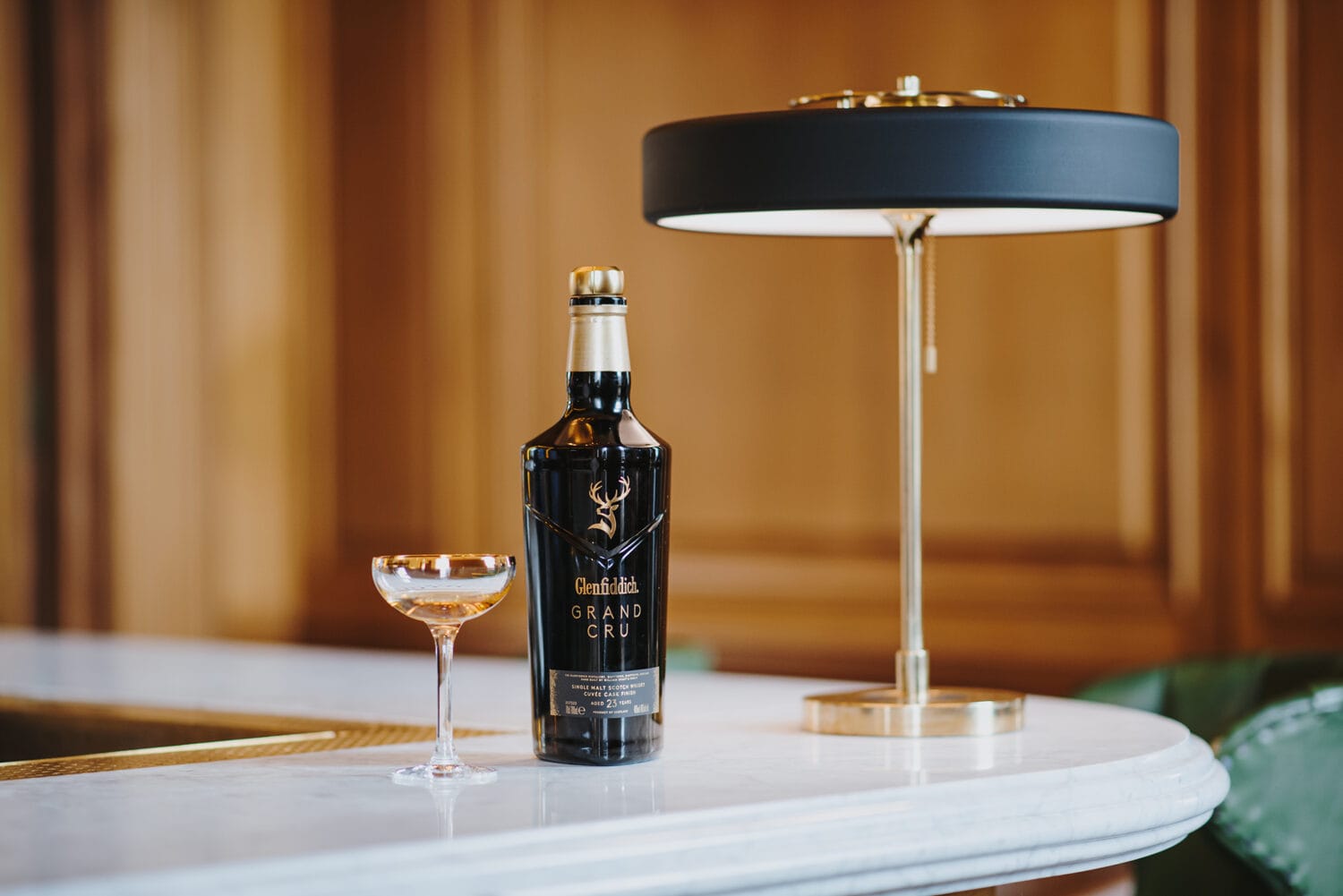
One example of this was when I was chief marketing officer at William Grant & Sons (2009-14) and our objective was to rejuvenate Glenfiddich. Glenfiddich is an incredible brand that pioneered the single malt category in the 1960s. But it had become devalued over time in absolute terms and relative to other brands. Employees had seen many false dawns on Glenfiddich. We addressed this employee fatigue issue at the start of our journey. We communicated extensively and frequently. We ran impactful internal competitions to reward the most pioneering employees (pioneering being a brand value). The winners went on life-changing group experiences like climbing Mount Kilimanjaro. Critically, this changed the internal narrative on Glenfiddich.
So, by all means try and build back better a currently underperforming brand. However, remember to ask the right questions before you start.