With only one brand in the top ten (Gordon’s 0.0%, which saw its sales by both value and volume decline last year), no-alcohol spirits is approaching a tipping point – but it’s not there yet. To get there, brands will need to be braver and more inventive to carve out a sector that offers something different, exciting and new beyond a non-alcoholic alternative.
The clue to why 0% alternatives are underperforming could lie in their name. After all, who wants to indulge in a product that is, by its definition, pared back? Ultimately, when consumers seek an alcohol-free version of an alcoholic drink, they want elevated, premium, sensorial experiences without compromising on taste or enjoyment. In a category defined by absence, there’s a huge opportunity to build brands that stand out based on their substance and sophistication.
A new positioning
So how do spirits brands get bolder with their non-alcoholic alternatives? This has been a pressing question for the brand owners we partner with at Thirst.
For many, the answer has been simple: dial up the alcohol-free proposition for consumers without compromising on the flavour they’re used to from their favourite brand. Diageo’s Tanqueray has mastered the simplicity of its 0.0% proposition, which speaks authentically to the brand’s commitment to encourage responsible drinking.
But for every successful non-alcoholic alternative, other brands fail to gain traction with theirs. Generational differences are one important factor. Where Millennial consumers seemingly look for familiarity and nostalgia, Gen Z have different expectations from brands. For this cohort, who wield an estimated spending power in excess of US$360bn, their enjoyment hinges on the power of discovery and concepts of challenging established norms.
Unlike the Millennials and Gen Xers before them, they’ve grown up with not only wider choice, but more discernment when it comes to the brands they choose to align with. In drinks, they’re choosing those that speak to their needs and values.
The spirits category can learn much from UK-based alcohol-free beer Lucky Saint: its compelling backstory and B Corp status (which appeals to climate-aware consumers) and distinct, characterful comm’s are just as important to Lucky Saint’s success as its taste. Rather than any inferiority complex around being an alcohol-free beer, its branding celebrates its pioneering status.
Design and branding at every touchpoint will need to convey that choosing an alcohol-free spirit offers something more. Whether by showcasing its well-being benefits, or carving out a specific consumption occasion, the verbal and visual language that brands use should present a lifestyle choice that audiences want to align with.
Lead the conversation
The health & wellness cues of non-alcoholic spirits are already enticing health-conscious early adopters. When Mintel asked why they buy non-alcoholic beverages, “added health benefits” and “lower calorie content” were among the top answers given by Gen Zers.
In reality, the no/low movement is being led by the switchers and blenders who favour moderation and choice over abstinence, yet there’s a lack of clarity around making simple switches. Everyone knows how to drink a gin replica or a non-alcoholic beer; we’ll need to lay down a welcome mat for the sober-curious who want to enjoy broader, nuanced non-alcoholic cocktails.
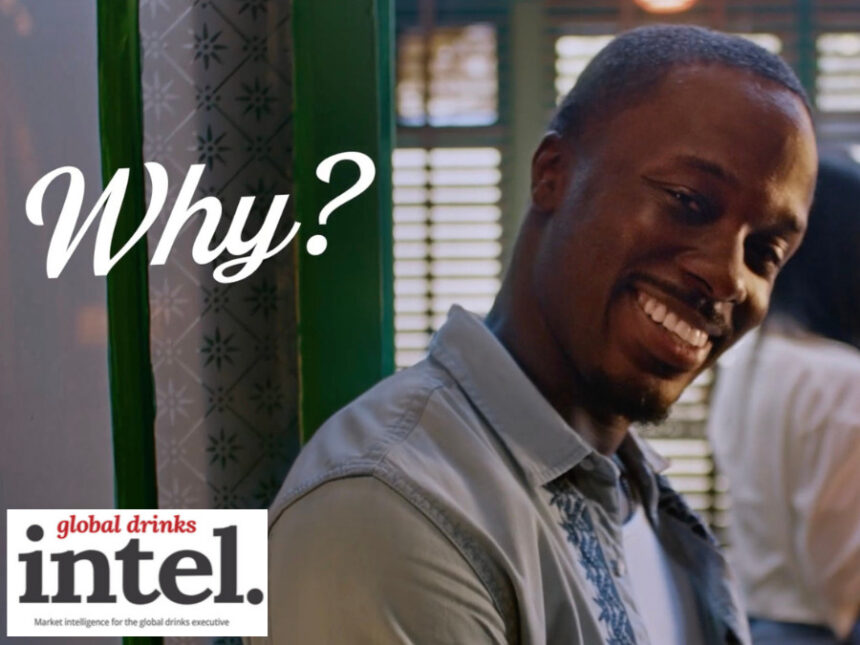
Category leaders like Captain Morgan, Beefeater and Gordon’s are best placed to lead the way with educational campaigns that entice and encourage the sober-curious. To launch its non-alcoholic variant, Captain Morgan’s ‘Why You Always Whying?’ campaign (above) challenged negative societal pressures around choosing alcohol-free drinks in social settings. Creative activations like this lay the groundwork for more experimental non-alcoholic spirits to tap into uncharted territories.
Finally, the onus is on all brands – established and challenger alike – to lead the cultural conversation around 0% beverages. What’s the language that will do for sober-curiosity what ‘flexitarian’ has done for reducing meat consumption?
Challenging the deeply-routed boundaries between alcoholic drinks and their alternatives is now mission critical. In a category as-yet defined by ‘less than’, let’s elevate non-alcoholic spirits by conveying more.