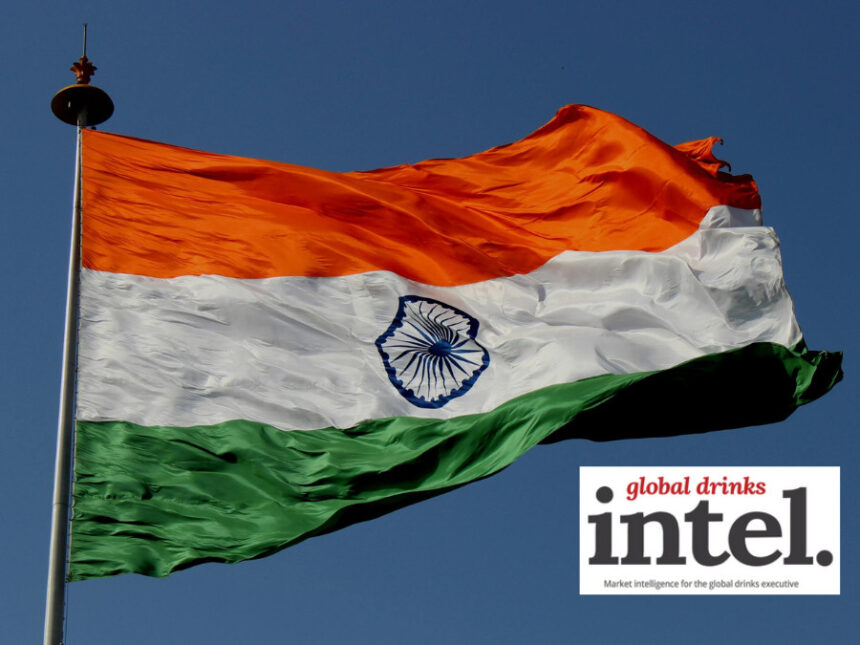
- India’s spirits drinkers are trading up – Surging disposable incomes and a swelling middle class are driving unprecedented demand for premium whiskies and craft gins
- Youth and women are reshaping traditions – Younger LDA and female consumers are breaking taboos, driving innovation in local craft spirits and cocktail culture across urban India
- Bureaucratic barriers linger – While India’s spirits revolution accelerates, complex state regulations, high taxes and advertising restrictions remain stubborn barriers for domestic and international brands alike
India’s domestic spirits industry is in the midst of a remarkable transformation. This lucrative, yet complex, market is being shaped by premiumisation, craft experimentation and shifting consumer preferences.
Blessed by a growing economy and youthful demographics at a time of global economic upheaval, international and domestic players are racing to realise India’s undoubted potential.
The factors driving India’s trade-up trend are not hard to spot. Against a backdrop of global uncertainty, the country’s economy is humming. According to the International Monetary Fund, India will enjoy an impressive GDP growth rate of 6.5% this year. India’s swelling middle class – expected to grow by 283m by 2031 – is also fuelling market growth with its increasing disposable income.
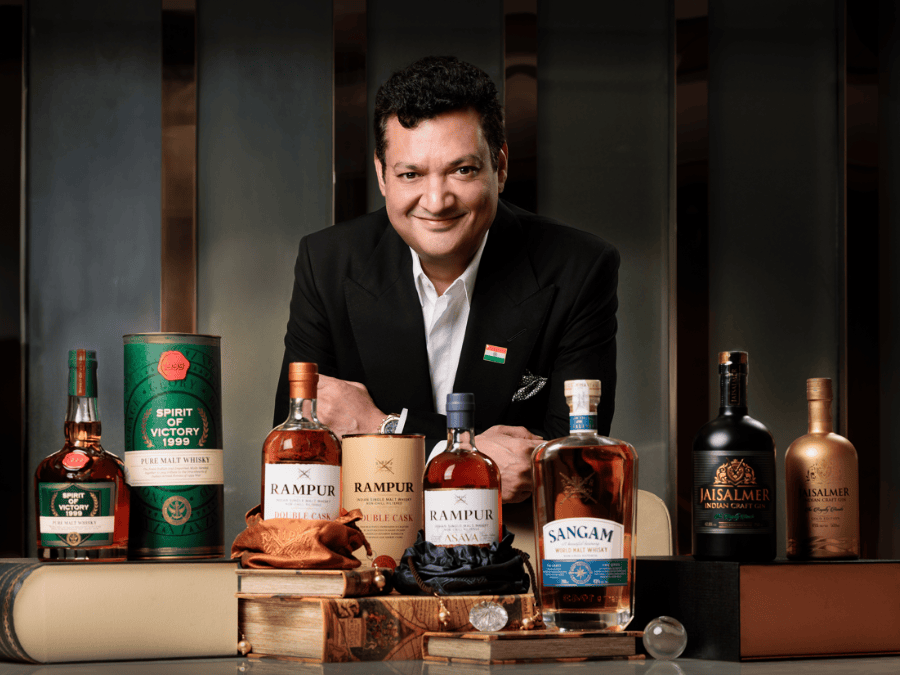
“We have witnessed an increase in the purchasing power of the middle-income groups, driven by factors like economic growth and increasing disposable income,” observes Abhishek Khaitan, the MD of Radico Khaitan, one of the country’s largest manufacturers of India Made Foreign Liquor and also the owner of premium brands such as Rampur Indian Single Malt Whisky and Jaisalmer Indian Craft Gin.
“Now, this increased purchasing power is translating into greater demand for premium products and Radico Khaitan is well-positioned to cater to this shift.”
Radico Khaitan’s domestic competitors are also alive to the opportunity presented by this market shift. In February, for instance, India’s third-largest spirits producer, Allied Blenders & Distillers, completed the acquisition of Goa-based Fullarton Distilleries, a family-owned firm whose super-premium craft spirits portfolio includes the likes of Woodburns Contemporary Indian Whisky, Pumori Small Batch Gin and Segredo Aldeia Rum.
Meanwhile, Diageo’s unit in the country launched its new India Rare Spirits exclusive cask programme late last year, giving high-net-worth consumers the chance to buy bespoke cask whiskies from the company’s Goa-based Ponda distillery. Purchasers consult with production experts from the distillery to choose a unique expression from a library of 30-to-40 aged malts, each matured for a minimum of five to ten years in a wide variety of cask types.
Breaking taboos – Women, youth and new experiences
Social attitudes towards alcohol are shifting. Evolving societal norms are leading to more women drinking alcohol, for instance. Traditional brown spirits such as molasses-based whisky, rum and brandy still rule the rankings, especially among older generations, but younger urban LDA consumers are increasingly seeking out locally made craft vodkas, gins and agave-based spirits. They value unique flavours, origin stories and craftsmanship.
“Historically, alcohol has faced a certain level of stigmatisation in India, but that stigma is slowly fading,” says Mohit Singh, the founder of British-Indian Desi Daru Vodka, which plans to break into the Indian market this year by initially focusing on the travel retail channel in Delhi. “As attitudes toward drinking evolve, especially among younger generations, the market is embracing premiumisation and new drinking experiences.”
Radico Khaitan’s Magic Moments Vodka has proven a hit among younger consumers with its wide availability and broad range of flavours, while high-end tequilas such as Diageo’s Don Julio and Bacardí’s Patrón have proved popular in the upscale on-premise. Rahasya Vodka, one of a new wave of female-founded spirits brands using local ingredients, is also gaining traction.
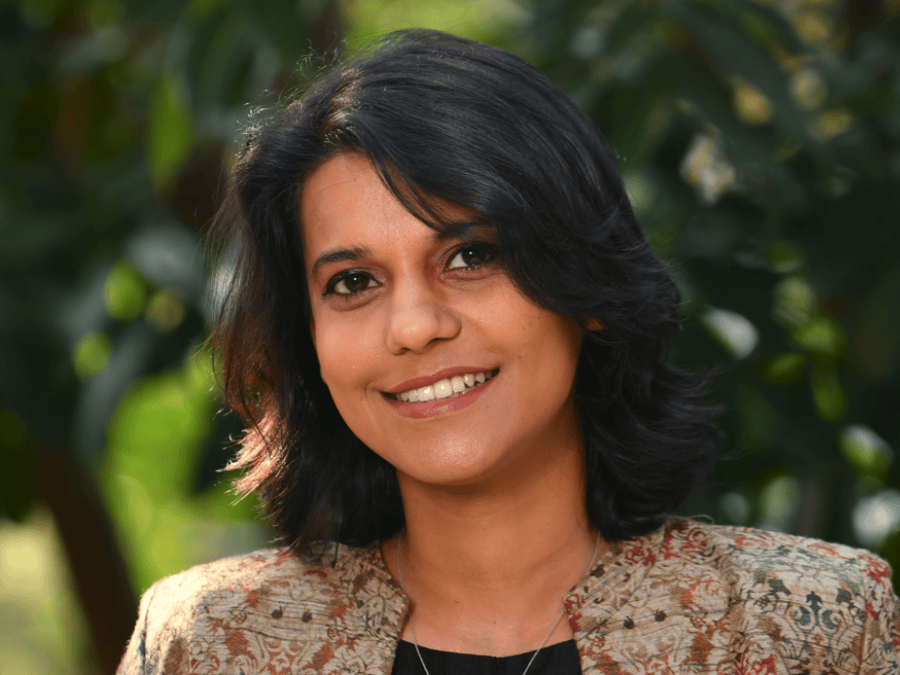
“More and more women are becoming a part of the [spirits] industry and that’s great,” says founder Varna Bhat (below). “I do believe that as consumers and creators, we women bring into this industry another important dimension when it comes to nuances and nurturing a product.”
The development of the country’s craft spirits scene shows no signs of slowing, with gin leading the charge, according to IWSR senior consultant Jason Holway. “Craft gins have been with us for several years,” he says. “They’re attractively priced for the most part. They’re also a repository of ‘India-ness’ in a beverage alcohol market dominated by foreign liquors.”
Holway also highlights the growing number of craft rums now produced in India. “The foundations of domestic alcohol distillation and production are built on sugar refining,” he explains. “These range from the traditional to the more esoteric, with some using jaggery, while others are very similar to rhum agricole, although GI designations prevent the use of this term in marketing.”
Game-changing bottle boutiques
The off-premise has traditionally been the dominant channel for spirits sales in India, around three times larger in volume terms, with a focus on value and mid-range price-level product lines. However, the recent appearance of more premium department store-style outlets in major urban centres has been a “game-changer”, according to John Distilleries’ executive VP of sales in India, Vijay Kauthekar.
“They enable consumers to explore and engage with premium spirits in a showroom-like environment,” he explains. “We are focusing on ensuring our presence in these outlets, offering experiential touchpoints where consumers can taste, learn and interact with the brand.”
How to win in a no-ads market
In contrast with many other major emerging markets, e-commerce alcohol sales in India have been slow to take off, although recent regulatory adjustments have greenlit digital sales in certain states.
IWSR’s Holway explains the slow uptake: “With respect to e-commerce, India’s states are wary for two reasons. They aren’t sure how to derive tax revenue from e-commerce sales, and they also want to make sure purchasers are LDA-plus. The states’ uncertainty is discouraging investment.”
While e-commerce growth might be sluggish, online marketing is taking off alongside experiential campaigns and event sponsorship. Spirits brands must be creative as India’s traditionally strict restrictions on alcohol advertising prohibit TV and billboard advertising. “Social media has become super-important,” agrees Rahasya Vodka’s Bhat.
“At the other end of the spectrum, it is the direct consumer engagements, such as bar takeovers and partnerships with F&B outlets, that have helped,” she adds. “We also do a lot of community-based engagements like collabs with local gourmet chefs and wedding planners to create unique cocktails that are one-of-a-kind for the bride and groom.”
Navigating the regulatory maze
India’s spirits producers continue to battle the country’s notoriously fragmented and complex alcohol market with its state-specific licensing, tax structure and movement restrictions. Radico Khaitan’s Abhishek Khaitan (above) says the company is trying to address these challenges by leveraging technology-driven supply chain solutions, expanding warehousing infrastructure and strengthening its distributor networks.
“These measures have enhanced our inventory management, operational efficiency and product availability, ensuring seamless market penetration across geographies despite regulatory roadblocks,” he insists.
Meanwhile, John Distilleries says it is working with industry associations to push for changes in excise policies. The company advocates for the standardisation of tax regulations across Indian states and the recognition of Indian single malts as premium, world-class products.
“We also work with policymakers to ensure that Indian-made products are not disadvantaged in comparison to imported brands,” Kauthekar adds. “The focus is on creating a level playing field, which will not only help premium spirits grow, but also contribute to India becoming a strong exporter of quality whisky globally.”
‘Big gains’ for Indian malt whisky
In a recent update on key 2024 trends, IWSR highlighted the performance of Indian single malt whisky in its home market, revealing that the segment had made “big gains” last year. Underlining the sector’s growing success, the Indian Malt Whisky Association officially launched in March, creating unified standards for Indian single malts.
John Distilleries’ Kauthekar says the new association will speak with one voice for the country’s four most prominent Indian single malt producers – Paul John, Amrut, Rampur (Radico Khaitan) and Indri. “These four founding members will be the flagbearers for creating the Indian single malt category for India and the world.”
Kauthekar says Paul John expects to build on its strong momentum from 2024 after “robust growth” both at home and abroad. New Port and Madeira finishes are in the pipeline for the brand’s Select Cask range. “Our primary focus cities are Bangalore, Mumbai, Goa and Delhi-Gurgaon, given their status as urban hubs with a high concentration of whisky consumers who appreciate premium products,” he explains.
The growing potential of India’s single malt industry was underlined last year when Pernod Ricard announced it was investing EUR200m (then-US$216.6m) over the next decade to build “the largest malt distillery in Asia” in Nagpur, Maharashtra. The facility will be able to produce 13m litres of pure alcohol a year.