Thanks to the cocktail boom and the growth of the no- & low-alcohol sector, demand for cocktail bitters has grown significantly in recent years. The range of bitters, used in small quantities predominantly to flavour cocktails, has also developed considerably, with savoury and unusual flavours more prominent, while many new companies have entered the market.
Surviving in a crowded market isn’t easy. “New entries in the bitters category keep coming,” says the joint MD of Germany’s The Bitter Truth, Stephan Berg, “even if most are not overly successful due to the saturation of the market and increasingly tight market conditions. Competitiveness is growing, which leads to more ‘out of the box’ flavours looking for a niche.”
At the same time, he says, cocktail bitters are “appealing to a wider audience – also more and more to consumers – and established brands seem to have a better hold and acceptance”.
One established player is Fee Brothers, based in Rochester, New York, which celebrates its 160th anniversary this year and has tripled sales in the past four years, according to CEO & owner Jon Spacher. “While new bitters companies and products are emerging, what’s exciting to me is how mixologists continue to create new experiences by pairing simple flavours,” he says. Bitters should be “the quiet, humble flavouring in the background that takes the drink over the top and knocks your socks off.”
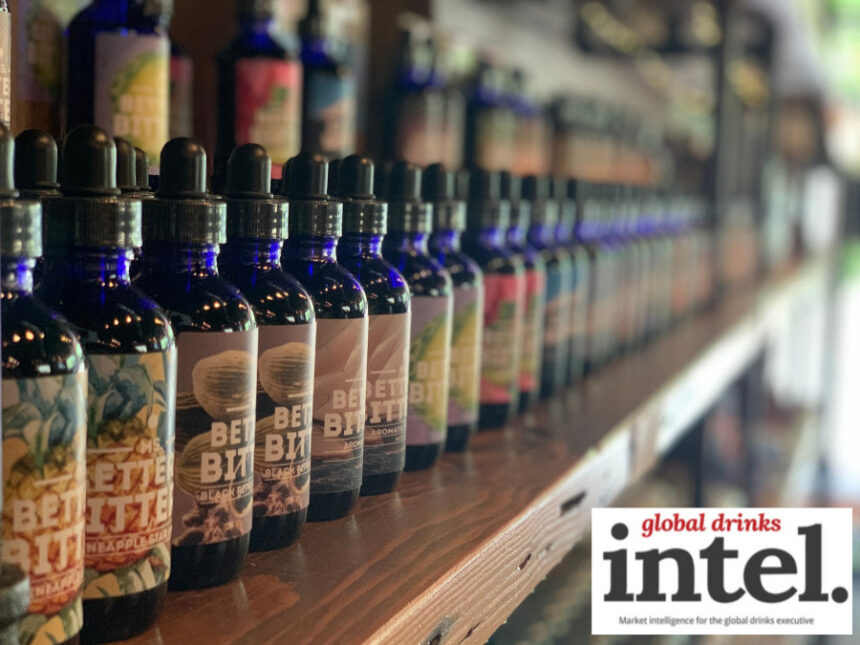
Anthony Cook, a brand management & education consultant for Canadian company Ms Better’s (above), has a similar view on the role of cocktail bitters: “We’re a complement,” he says. “We’re side notes of drinks, we’re little highlights that fit in, and it’s a very collaborative space because it’s not a very big space.
“We write the intro to the story and then it ends up in the bartender or mixologist’s hands and they finish that story.”
Today’s consumer preferences
Cook credits changing consumer tastes with promoting bitters’ recent growth. “Modern-day drinkers have moved towards a slightly more bitter palate than in the early 2000s,” says Cook. As a result, he says, “creative people are thinking, ‘What can we do with bitters?’ That’s why bitters have grown – because people have been inspired and (become) a little bit braver.”
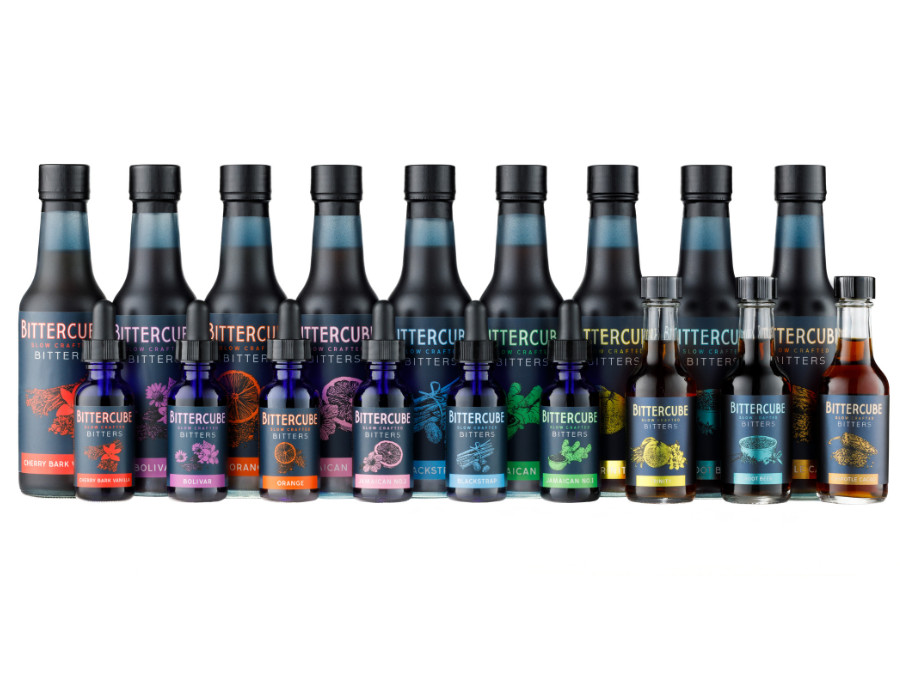
At US producer Bittercube (above), whose most popular flavours include Cherry Bark Vanilla and Orange, owner Ira Koplowitz highlights bitters’ versatility. “Cocktail trends often swing like a pendulum between extravagance and simplicity,” he says. “At Bittercube, we focus on creating bitters that offer complex, layered flavours, which are versatile enough to enhance cocktails across the trend spectrum.”
Ms Better’s co-founder Sam Unger says bitters are an inexpensive way to make cocktails special. “It’s such an easy way to elevate a cocktail and to give it consistency and also to make something that people think is standard be exceptional,” she says.
Unger says there’s now a greater appreciation of the value of cocktails and a rising awareness of bitters’ potential for improving spirits-based drinks – even in bars that don’t serve many cocktails.
“Even if they [bar owners] aren’t doing anything beyond a rum & Coke or a gin & tonic or, at most, a Pimm’s cup, they’re seeing how they can have a selection of a few bitters that can really change the game by just adding a few drops ,” she observes.
With the alcohol content of a dash of bitters negligible, Cook highlights the rapid growth of the no- & low-alcohol category as another driver of growth for bitters.
“You can add some amazing flavour and bitter notes that can mimic the alcohol,” he says. “A lot of non-alcoholic spirits miss that bite. So you can add that in for minimal cost, minimal skill and deliver a non-alcoholic drink that delivers on experience the same as an alcoholic drink.”
The Vancouver-based company partners with soda and RTD producers that use Ms Better’s bitters in their products.
Rise of savoury flavours
While traditional bitters flavours remain the biggest sellers, the number of new products with new taste profiles is growing.
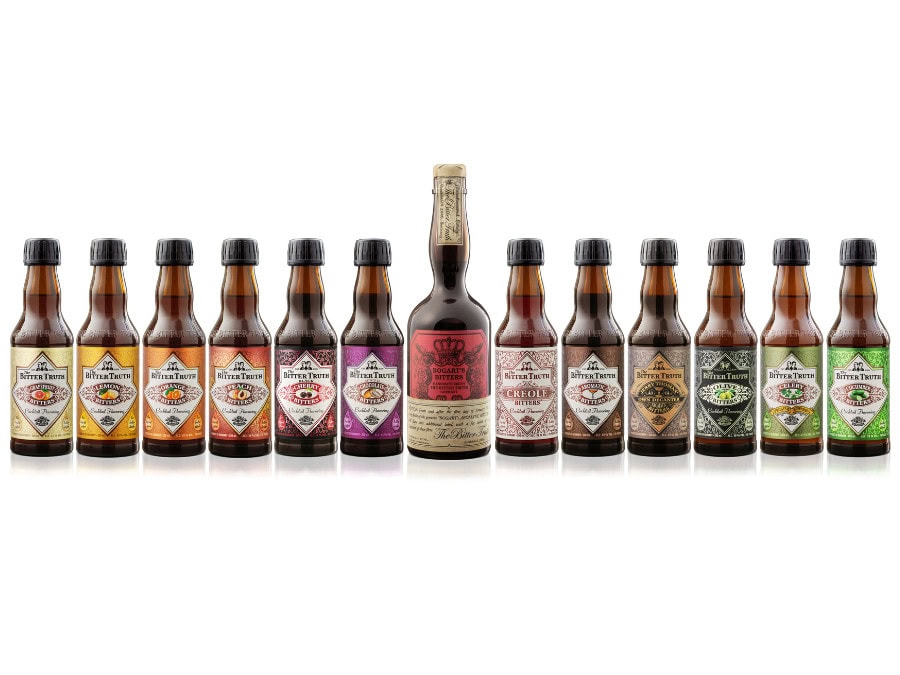
“Classic flavours, such as aromatic and orange bitters are among the most popular as they fit into nearly any drink,” says The Bitter Truth’s (above) Berg. “Tropical and tiki drinks are benefiting from the use of bitters as well.”
Other flavours are gaining in popularity though, says the founder of Sante Fe, New Mexico-based Bitter End, Molly Bradbury. “Beyond the classic aromatic and orange bitters, there seems to be a lean towards the spice rack,” she says. “Cardamom is making an appearance, as is black pepper.”
Savoury flavours, which can be used for culinary purposes as well as in drinks, are also becoming more prominent due to their broad appeal, according to Berg. “While we see a rise in demand for all flavours we produce, there seems to be an increasing call for savoury flavours, as they bring an unexpected twist into the cocktail mix beyond the well-known,” he says. “All our savoury flavours (Celery, Cucumber, Olive) do really well.”
Bradbury also notes how the culinary usage of bitters has influenced cocktails. “Cocktail trends are moving towards the kitchen for inspiration,” she says.
“Bitter End’s flavours are inspired by culinary traditions, but give bartenders a range of flavour profiles that can really accentuate other ingredients in a cocktail. Lately, our Jamaican Jerk Bitters has been having a moment. The combination of nutmeg and habanero can really shine with an overproof rum or an amaro.”
Not all new taste profiles will hit their mark, of course, but Berg says The Bitter Truth’s Black Cherry flavour already ranks as one of its best-selling flavours within a year of its introduction. He describes Black Cherry, which is inspired by a 19th Century Baltimore bitters brand, as “aromatic with a surprising fruity twist.”
Collaborative effort
At Ms Better’s, where new flavours are continually developed, Cook believes that bitters give consumers a flavour of ingredients that may not otherwise be readily accessible. “A lot of the ingredients that are used maybe don’t travel well and are hard to get or can be quite expensive,” she says. “So the idea is that we encapsulate that and make it available for everybody.”
Ms Better’s currently has a range of some 20 flavours on sale, alongside five bespoke bitters for individual venues.
Fee Brothers also produces bespoke offerings and Spacher highlights the importance of collaboration for product development. “When it comes to creating new flavours, we reach out to our importers, distributors, influencers and mixologist friends and listen to what they’d like next,” he says. “We also work with our ingredients companies to hear about worldwide trends. The confluence of all that feedback is where we aim our R&D passion.”
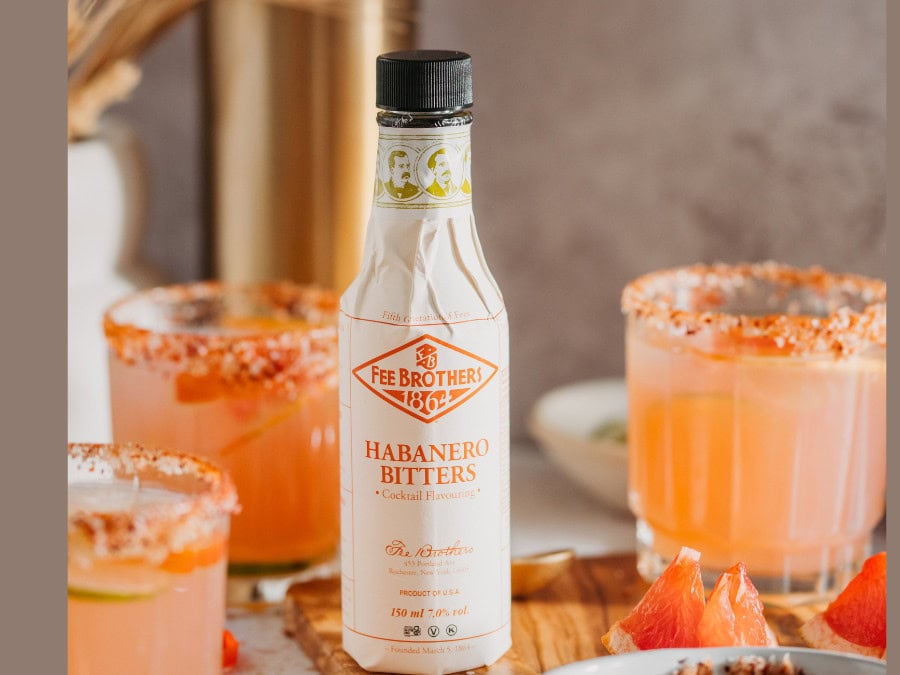
The newest additions to Fee Brothers’ range of bitters include Habanero (above), Mole and Turkish Tobacco, which he says have been very successful.
Botanicals are the main focus for Milwaukee-based Bittercube when developing new flavours, says Koplowitz. “Our research & development process involves exploring new botanicals, engaging with suppliers about unique single-origin options, and continually expanding our understanding of botanicals and extraction techniques.
“Using high-quality, fresh ingredients from suppliers employing ethical and sustainable practices is also key,” he adds. “Since our inception, when we handcrafted bitters in one-gallon jars, to now producing enough bitters annually for over 25m cocktails, our commitment to quality has never wavered. We source our botanicals directly from origin as often as we can, and also work with the most reputable spice purveyors globally.”
Both The Bitter Truth’s Berg and Fee Brothers’ Spacher feel that product quality, being innovative and evolving to stay ahead of the curve are key to remaining successful in the increasingly competitive sector.
Cook of Ms Better’s also looks to the future: “It’s almost like a personal challenge to push bitters to a level where it’s uncomfortably amazing.” Company co-founder Unger adds that the key for bitters is “making the best products that you can make that inspire people who then make the trends”.
Home mixology drives herbal NPD
Trends in the cocktail bitters segment are largely mirrored in the wider category.
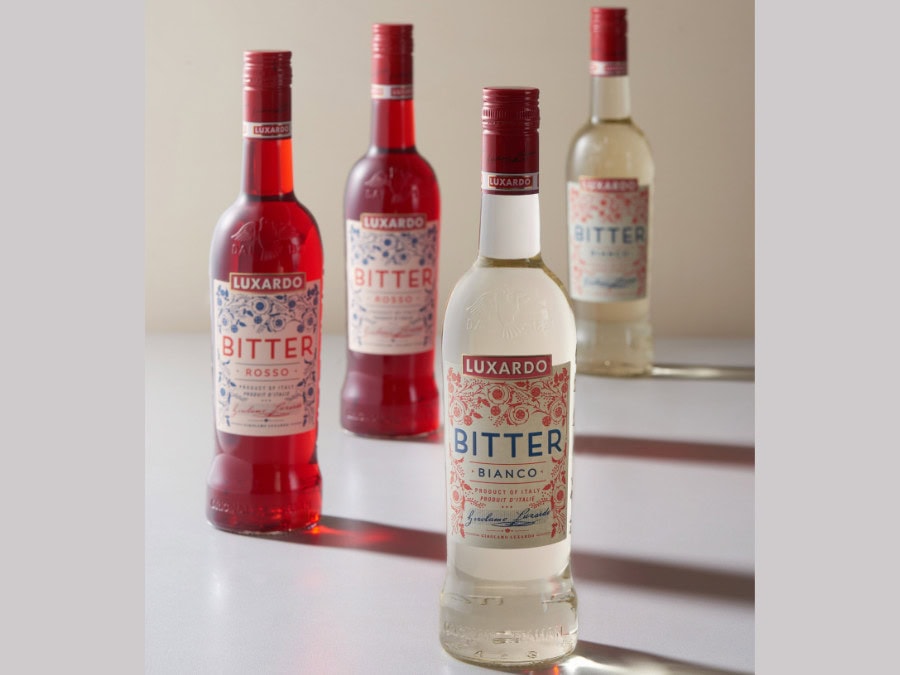
“The popularity of cocktails remains a significant driver for the demand for bitters, especially as the craft cocktail movement continues to thrive globally,” says Matteo Luxardo, export director at Italian producer Luxardo (above). “Bartenders and mixologists appreciate the versatility that bitters add to drinks, enhancing complexity and depth of flavour.” Luxardo, also highlights the popularity of home mixology as an important related development, as consumers seek to replicate bar-quality drinks at home.
In addition, consumer interest in the digestive benefits of bitters taps into the health & wellness trend, says Luxardo. He also describes the growing popularity of lower-ABV long drinks featuring bitters as “part of a broader movement towards ‘sessionable’ cocktails”, with bitters “adding complexity and balance without significantly increasing the alcohol content”.
Premiumisation is also alive and well. “There’s a trend toward premium and craft bitters,” Luxardo notes, “with consumers willing to pay more for high-quality products with unique flavour profiles.”
He also maintains that increased competition is driving innovation within the bitters category. “Many new brands have entered the market, offering a wide range of bitters with unique and innovative flavour profiles. These newer brands often focus on specific niches, such as organic, local or exotic ingredients, challenging established brands to innovate and expand their offerings.”
This article is available to Global Drinks Intel members only.
Click below for details on how to join the Global Drinks Intel community.
Already a member?
Log in here to read the article in full.
If you work for any of the following corporate subscribers to Global Drinks Intel, head here to activate your access.
- AB InBev
- Bacardi
- Campari Group
- Diageo
- Moët Hennessy
- Pernod Ricard
- Proximo Spirits
- Suntory Global Spirits
- William Grant & Sons