

UK. The premiumisation trend was well established in the UK on-premise prior to Covid-19, with value sales outstripping volume growth. But how will the trend evolve? CGA analyses its latest data and insights to find out.
The UK pub, bar and restaurant market has undergone a decade-long period of premiumisation, with multiple waves of the trend impacting practically all drinks categories and the in-outlet sales mix.
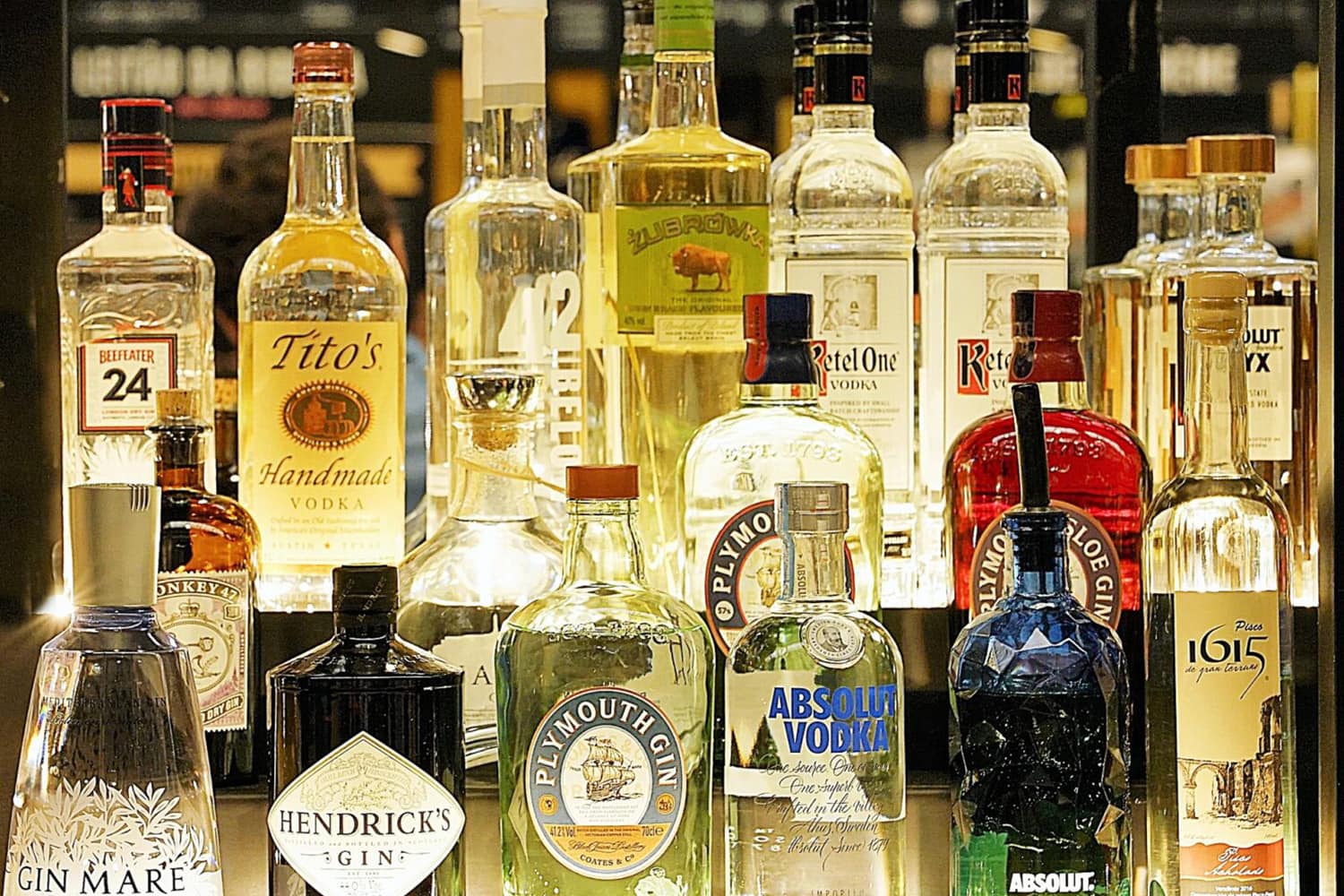
Indeed, within the lager category, nearly half (47%) of all serves sold are now premium, a figure which has increased by 13% since 2010, with a similar, but even stronger movement within the spirits category over the same time period. The consumer’s desire to trade up to premium and even super-premium spirits has resulted in a 17% growth of sales share within spirits, now accounting for one in three of all spirits sold in the on-premise.
Just under half (48%) of UK consumers suggest that they typically spend more to get a higher quality of drink in the on-premise and this is driven by perceptions of brand quality and the occasionality that consumers visit the sector. When asked about the factors for choosing better-quality drinks, consumers state ‘quality of brands available’, ‘price’ and ‘for a special occasion’ as the greatest contributors.
Growing consumer appetite for high-quality drinks
“From spirits to beer to soft drinks, premiumisation continues to disrupt the on-trade,” says CGA senior client manager Nathan Boyes. “There has been a growing appetite from consumers to trial and trade up in the on-premise. Operators have been quick to react, expanding their ranges of high-quality options to satisfy customer demand.”
This is reflected in the average stocking portfolios of spirits within the market, with nearly double (+80%) the number of spirits stocked in the average outlet now compared with 2010. This equates to, on average, an additional 19 spirits brands in on-premise backbars, 14 of which are premium. Contrasting ranges between now and five years ago, the evidence of premiumisation is further underlined. CGA categorises the on-premise universe by the quality of outlets, ranging from bronze to platinum and, when comparing the stocking policies of bronze outlets now versus five years ago, the amount and share of premium spirits stocked now is similar to how gold outlets were stocking spirits at that time.
“The fact that bronze outlets now look how gold outlets did five years ago shows how quickly and how widespread the premiumisation trend has taken hold,” adds Boyes. “One in 10 spirits stocked in the lowest-quality outlets are actually super-premium, which has been driven by the desire for consumers to treat themselves, especially if they are visiting less frequently than previously.”

In no category has this been better evidenced than gin — with premium variants contributing to the ‘gin boom’; one of, if not the success story of the UK on-premise over the past decade. The average outlet that stocks gin now lists over 13 brands, a figure that has more than trebled from just four a decade ago. Of these new brands, only 1.4 is standard quality, with premium options making up the other eight brands added. This has led to significant growth within the premium gin category, which now makes up nearly half of overall gin sold (48.5%).
Rum and Irish whiskey hot on gin’s heels in premium stakes
While gin is the clear leader in terms of premium growth, other categories have been embarking on their own premiumisation journeys over the past decade, with rum and Irish whiskey also seeing significant shifts towards premium sales growth.

“Rum and Irish whiskey have seen plenty of innovation, as well as solid performance from bigger brands, and are tapping into consumer demand for discovery, new flavour profiles and products with heritage and an interesting brand story to tell, making them perfect categories for premiumisation,” says Boyes. However, despite continuing to increase in both volume and value terms, premium and super-premium brands’ growth did begin to slow towards the end of 2019, and the UK on-premise showed signs of polarisation between premium and mainstream big-name brands.
Despite nearly half (47%) of consumers willing to pay more for a better-quality drink, and a surge in very high-end sales in 2019 — including 21% growth in super-premium spirits — there was also a resurgence in mainstream options.
Boyes says: “The story of premiumisation is a complex and fast-changing one, and we saw the market diverge substantially over the course of 2019, with examples of growth in both super-premium and mainstream categories.”
And it is this polarisation which was impacting the market on reopening from July 2020. With 37% of consumers reporting less disposable income than previously, compared with 17% who had more disposable income, drinks choices became increasingly divided between quality and value. While 29% of consumers suggested that they were prioritising high-value drinks, 23% were prioritising high quality and there was very little overlap between these two consumer sets, suggesting an either/or approach to drinks choices in the reopened market.
As such, super-premium spirits lost share of all serves by -0.6%, when consumers initially revisited the market, while standard regained some of the share that it had been gradually losing over the past decade. “As time went on, however, we saw premium/super-premium begin to regain share off standard, particularly in categories linked to cocktails, such as liqueurs, flavoured vodka and flavoured gin, as consumers looked to trade up on cocktail choices,” observes Boyes.
Celebratory and treat spending versus cautious approach
It is this polarisation that is predicted to impact the course of premiumisation as outlets reopen in the UK market in 2021, with initial treat spend and celebratory occasions contrasting with a cautious approach on spending from consumers.
With drinks-led occasions being prioritised in outdoor settings, it is likely that the likes of beer, cider and spirits will gain share from more food-friendly categories such as wine and soft drinks, but with fewer visual cues to encourage trade-up, there is a sense that operators may be leaving cash in the pocket of customers, explains CGA research and insight director Charlie Mitchell. “With in-outlet ordering limited and consumers using phone apps, QR codes and digital menus to order, the path to purchase is fundamentally changed,” he explains.
“Where once bartender recommendation and a highly visible backbar could prompt a trade-up, the heavy lifting is now being done digitally and, in many cases, those encouraging factors are not coming through as strongly as previously.”
However, taking learnings from other sectors could prove the key to success. “In the QSR (quick-service restaurants) sector, self-serve machines have been successful and are now ingrained in the customer path to purchase,” says Mitchell. “The ‘go-large’ prompt is also embedded within that decision-making process and is an easy way to encourage a higher spend per head and could provide inspiration for operators within the out-of-home market.”
Regardless, the underlying trend of consumers looking to spend more on higher-quality drinks choices looks set to continue, albeit perhaps not as universally as in previous years, as subsets of consumers are financially impacted in different ways.
“Consumers are increasingly fickle and experience-driven and have developed very high expectations of out-of-home eating and drinking, which is set to last,” summarises Boyle. “Understanding the drivers, dynamics and habits of their behaviour has never been more important when it comes to capitalising on premiumisation.” ●
Charlie Mitchell is research and insight director at CGA. His Intel columns provide perspective from the on-premise, based on the most up-to-date and definitive data available.
For more details, contact [email protected]