

Diageo and Pernod Ricard have lined up two separate projects to improve the environmental credentials of their brands’ glass bottles.
Last month, Pernod Ricard claimed that Absolut will become “the first global spirits brand to move to a partly hydrogen energy-fired glass furnace for large-scale production”. The announcement has been followed this week by news of Diageo’s tie-up in the UK with glass manufacturer Encirc to “create the world’s first net-zero glass bottles at scale by 2030”.
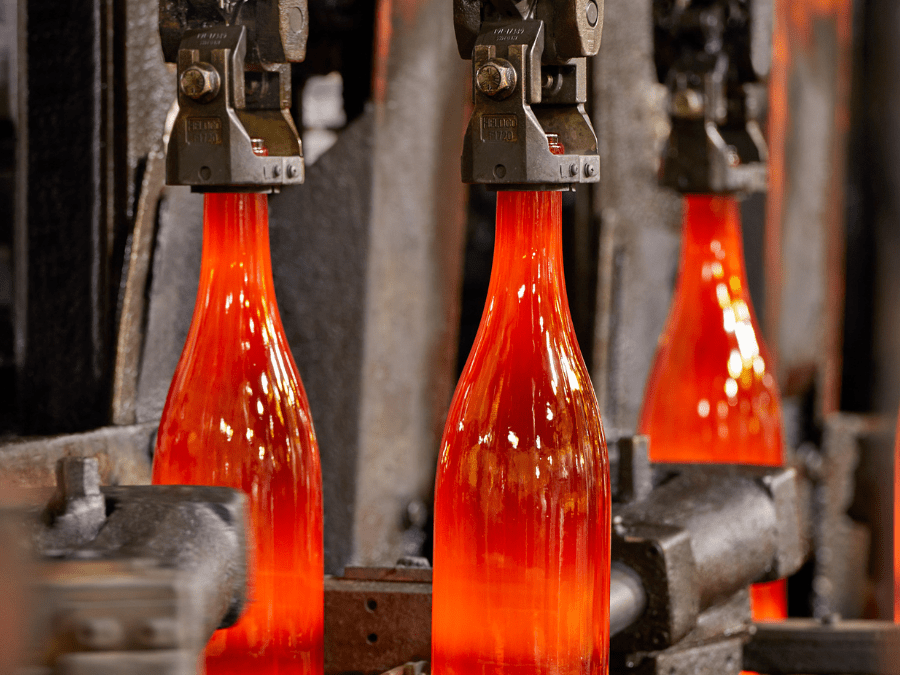
Pernod Ricard’s The Absolut Co division expects its tie-up with Ardagh Glass Packaging, which centres around a new hydrogen-fired furnace, to result in the vodka’s carbon footprint from its glass usage declining by 20%. The facility, at Ardagh’s Limmared plant in Sweden, is expected to come online in the second half of next year.
Over at Diageo, today’s announcement sees Encirc lay out plans to build a new furnace at one of its UK sites that will be powered by a mix of electricity from renewable sources and hydrogen. The furnace, which should commence operations within five years, will be responsible for producing “up to” 200m bottles per year for Diageo’s Captain Morgan, Gordon’s, Smirnoff and Tanqueray spirits brands by 2030.
Both brand owners expect their programmes to feed into their respective sustainability targets.
Pernod Ricard also works with Encirc in Ireland, where the Jameson brand was the subject of a trial two years ago of biofuels-sourced bottles, “resulting in a reduced carbon footprint of up to 90%”. In Northern Ireland, meanwhile, Diageo’s Black & White blended Scotch fed into a similar trial of biofuels by Encirc last year, with the same carbon footprint outcome.
Why consumers are looking for action, not words, in sustainability – Consumer Intel