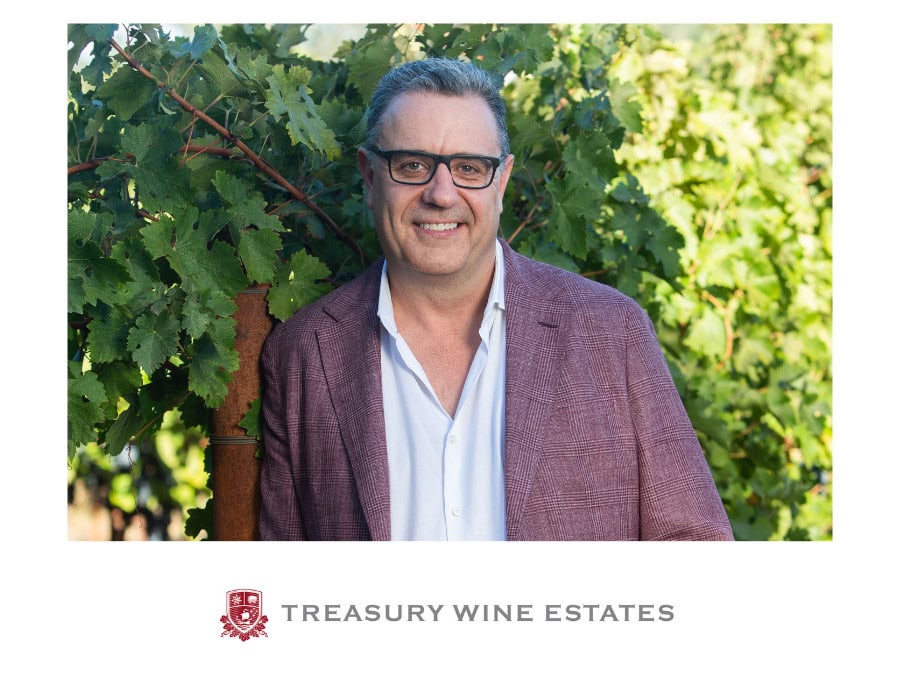
Tim Ford has been with Treasury Wine Estates since 2011, when he started as global logistics director. His career also included a year as MD for Europe, South East Asia, Middle East & Africa before taking over from Michael Clarke as CEO in mid 2020.
Olly Wehring caught up with him earlier this week following the release of the group’s latest half-year results.
Global Drinks Intel: You referenced a review of Treasury’s operating model in this week’s results announcement. What’s your thinking here?
Treasury Wine Estates CEO Tim Ford: Our acquisition of Daou Vineyards in the US at the end of October has unlocked a future business model for us in the country, where we now have the number one luxury brand portfolio. We’re going to run that as a standalone sales and marketing division separate from the premium brands in the US.
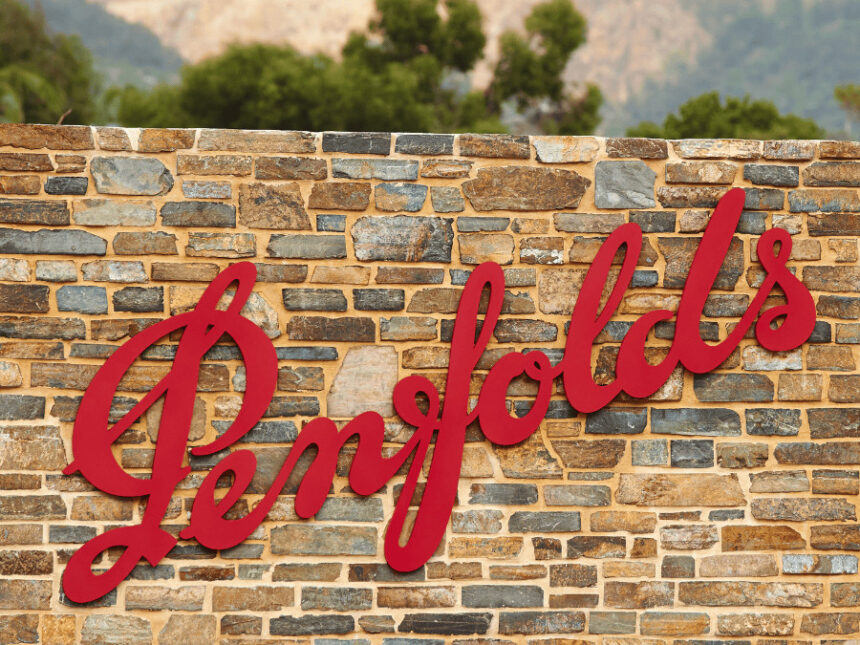
On the one hand, we have Penfolds, which is going from strength to strength, and we have a luxury portfolio on the other, both of which are high margin and showing consistent growth year on year. Combined, they account for around 75% of our earnings for the next fiscal year [12 months to June 2025]. Our centre of gravity now is very much around luxury.
We have these other premium brands across the globe, both within the Americas and Treasury Premium Brands divisions, which account for 25% of our earnings but are much bigger volumes. We’ve got to make a decision by the end of calendar 2024 on what the role for the premium brands business is going forward. Is it core to Treasury going forward? Should we take brands out or add brands in? All options are on the table.
GDI: Given the Daou acquisition, is your interest in commercial and premium wine declining?
TF: One of the viable alternatives we have to assess is whether they’re part of our portfolio going forward. We’ll answer that question as part of this process.
GDI: Is your operational review a Penfolds demerger-type project?
TF: I wouldn’t say yes or no to anything as we go through the review. It’s about finding the best way to grow our luxury portfolio going forward – that’s the future of this business.
The first step, by July, is to separate the luxury brands in the US, and that’s a pretty big change – we need to make sure we execute it well. After all, we paid a lot of money for Daou, so we’ve got to make sure we get our integration right. Then, we’ll look at what the best way is to keep driving the luxury brands. The sequence of events and the changes we may make are still to be worked out and will evolve.
GDI: I was taken aback by the price Treasury paid for Daou (up to US$1bn).
TF: The EBITDA ratio was around 12x to 12.8x – that’s as high as we would go for an acquisition. I’d certainly back ourselves to deliver, on the basis of the growth of the business and the trajectory of the brand. The momentum of the business is quite remarkable and the benefits it brings in terms of margin and scale are quite rare at the luxury brand level.
Based on the metrics, we don’t feel we’ve overpaid, but we certainly paid a full price, there’s no question around that.
GDI: Has the apparent disinterest of younger consumers in wine started to play a part in your decision-making processes?
TF: Not for the specific point of the review. Our premium brands, like 19 Crimes, play a really important role in bringing younger consumers into the wine category. For us, it’s about the choices we need to make. We’ve placed our bets on the luxury category, where demand has continued to be consistently strong in multiple markets around the world.
We’ve got to figure out if we can do both effectively or if it’s better as a standalone business. We all have an important role to play in bringing younger consumers into wine, but they’re drinking less and drinking better bottles of wine.
GDI: Do you expect the pending decision on the imported Australian wine tariffs in China to find in your favour?
TF: From our involvement with the process and with the governments, there’s nothing at this point that suggests otherwise. Our government’s been very clear that that’s their desire.
We get confidence from previous reviews on things like barley, where it played out as the agreed process outlined publicly by the governments. You never say it’s done until it’s done, but we’ll certainly know by the end of March and we’ve got our plans in place – hopefully it’s a positive outcome.
GDI: You’ll be four years in post in July. Are you still enjoying yourself?
TF: I am. The whole equity raising process (for Daou) was an insight into the world of investors that challenged me for a month or two, but we’ve worked really hard to get the pieces of the puzzle that we need to really drive this business the right way for the next generation of Treasury Wine Estates. I feel like we’ve got that now after a lot of hard yards to get ourselves to this position.
There’s always going to be some tweaking around but it’s up to us to execute it. That’s what you want: You want to be able to either succeed or otherwise based on what’s in your control. It feels like we’ve got ourselves much more in that spot and we may still have the cherry on top in China.