

As a guy from the slightly larger adjacent island known as England, I find it hard to imagine that the world is not utterly charmed by our quaint – yet slightly unremarkable – ways, underlined by our unwavering self-confidence that just because we once ruled a chunk of the world, surely everyone still loves us.
Truth be told, however, the UK – and, specifically, London – has not been a global brand since the Kate Moss era circa 2013, and ad campaigns from brands such as Rimmel telling us to ‘Get the London Look’. ‘Brand London’ pales in comparison to the powerhouse that is ‘Brand Irishness’, which is helping supercharge beverage alcohol brand owners that can claim a connection to the Emerald Isle.
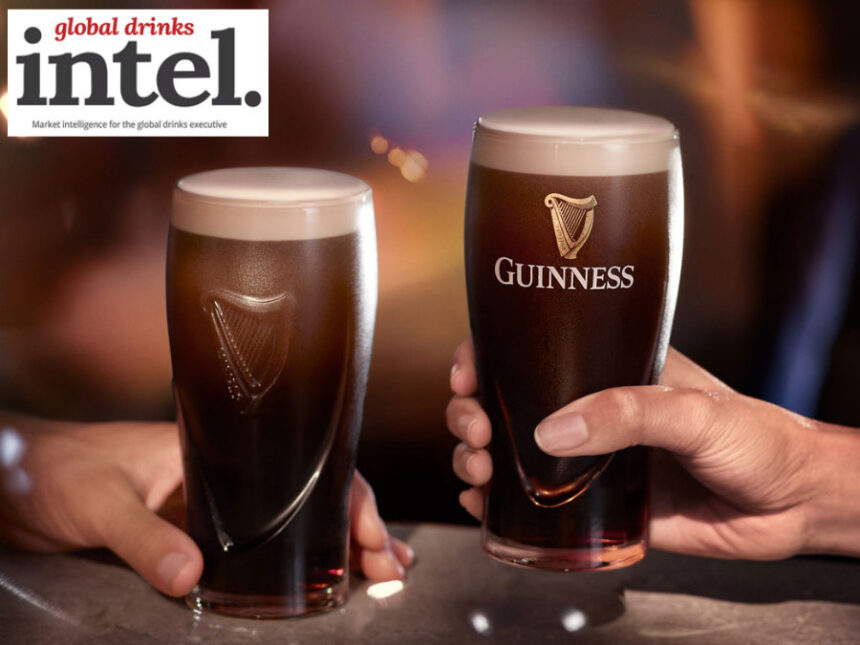
Ten years ago, Diageo’s flagship stout, Guinness, was deemed so unstylish that Mintel said: “Simply put, Guinness is no longer cool.” The brand shifted its focus a few years back and dumped the iconic tagline ‘Good things come to those who wait’ in favour of the more rugged ‘Made of more’.
I remember working on the campaign at the time, and not fully understanding the logic of losing such a well-known tag. But the new line was more than simply a few words – it was a powerful idea that rooted the brand back in its Irish roots. Its brand mark, the iconic Irish harp icon, was also refined and redrawn, to “convey the true story of craftsmanship” behind Guinness.
A flagship visitor experience at Dublin’s Guinness Storehouse alongside a doubling down on activations around St Patrick’s Day and Arthur’s Day (the latter celebrating the brewery’s founder) helped consumers understand that when they sip on a Guinness, they’re drinking in a little Irishness – giving them permission to enjoy the craic, just like the Irish.
Today, Guinness is the world’s most valuable Irish brand, according to Brand Finance, which last year valued the beer at EUR2.4bn (US$2.58bn) after 12-month sales leapt by 32%. Diageo also tripled production of Guinness 0.0, became the No.1 brand in the UK on-premise, opened a Chicago visitor experience and ran a pan-African campaign that reportedly attracted 1.5bn new Guinness drinkers.
Hot on its heels is Pernod Ricard’s Jameson, valued at EUR1.1bn and ranked as the tenth most-valuable Irish brand by Brand Finance. The Irish whiskey, which is one of Impero’s clients, is now a top three-selling international whiskey/whisky, with sales topping 10.7m cases last year (a record high, up from 10.4m year on year).
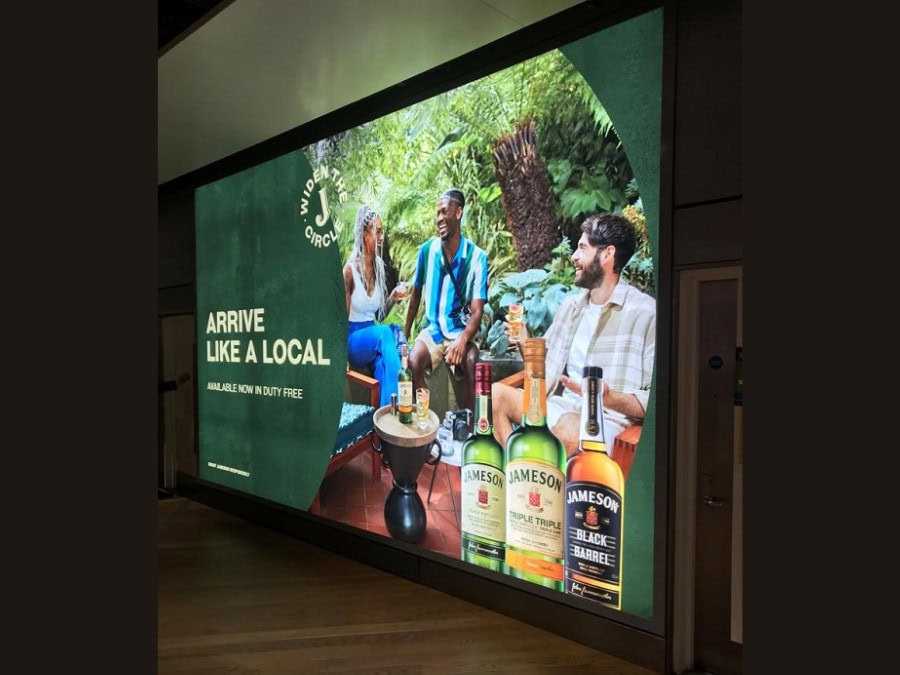
Jameson has cleverly tapped into the cultural idea that Irishness makes the world feel like a more welcoming place, no matter where you are. Impero’s first campaign for the brand, ‘Arrive Like a Local’, built on this premise. The global travel retail activation went live in 35 markets last year and picked up a ‘Brand Campaign of the Year’ award from The Moodie Davitt Report.
Jameson’s sales soared 56% in Asian markets, including China, South Korea and Japan, revealing its continued globalisation.
The brand’s latest global activation, ‘Must be a Jameson’, sets out to connect a world full of like-minded consumers who don’t take themselves too seriously – which perfectly sums up the Irish attitude.
Of course, capitalising on ‘Brand Irishness’ requires looking beyond outdated tropes. Gone are the giant clover leaves and leprechauns – brands need something more culturally on-point that pays tribute to the world’s enduring love of Irishness.
The following three megatrends appeal directly to new LDA consumers, potentially paving the way for drinks brands to attract a new, younger generation of advocates.
Music & Dance
In the depths of lockdown, sea shanty music (folk work songs) found a calling on TikTok and gained global appeal, growing streams by over 7,000%, according to Spotify. More recently, Cairde, a seven-man Irish dancing group – all aged between 19 and 21 – have set about modernising Irish dance via TikTok, where they’ve amassed 3.3m followers.
Need more convincing? An Instagram video of a miniature American shepherd dog imitating Irish dancing by tapping his front paws on the floor garnered 400,000 likes after it was posted late last year, demonstrating the enduring power of a style of music that was originally born out of repression, but has the ability to lift people’s mood.
Comedy
Stand-up and sketch comedy are viral genres on TikTok, each growing by about 139% and 88% year on year as of April 2023, according to Business Insider. Irish TikTok star Victoria Adeyinka, has over 14m followers, more than Miley Cyrus and Ellen DeGeneres. The 20-year-old’s short-form comedy appeals to the satire-loving Gen Z audience – and last year she released a single. (Music and comedy? That’s got to be a win-win.)
Celebrity Culture
The list of celebs marking St Patrick’s Day seems endless. Each March, the Feast of Saint Patrick supercharges the global reach of Irishness.
The sprinkle of stardust helps to put the occasion on the same stage as Christmas, the Super Bowl or Diwali, and offers an opportunity for brands to carve out their own slice.