Kosuke Fujishima has one of the broadest remits of any executive to be interviewed by Global Drinks Intel. Earlier this month, the executive officer for overseas operations at Kirin Brewery Co gave editor Olly Wehring a crash course in how to lead the export businesses for a multinational across beer, RTDs and Japanese whisky.
What sits under your remit at Kirin?
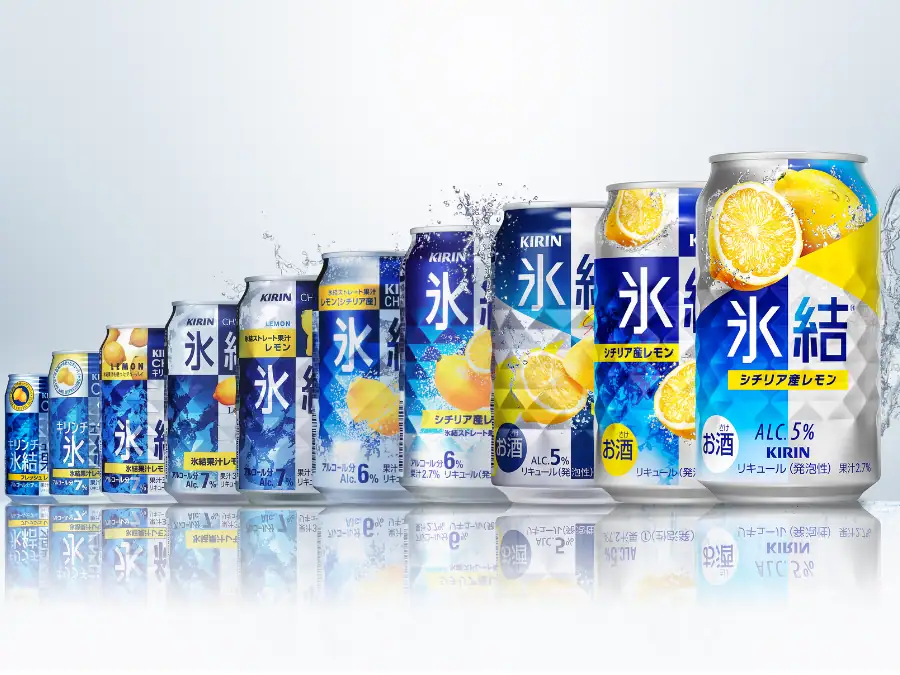
I’m in charge of the Kirin Brewery brands outside of Japan. As well as our Kirin Ichiban beer brand, we’re big in RTDs – we own Hyoketsu, which is the number one RTD in Japan, New Zealand and Taiwan – and we have Fuji Japanese whisky.
We’re grouped into four regions; Asia, which is the biggest part of the business, North America, Oceania – Australia and New Zealand, basically – and Europe. We have headquarters stationed in each region, but our global HQ is here in Tokyo.
I’m about to finish my second year with Kirin and am entering my third.
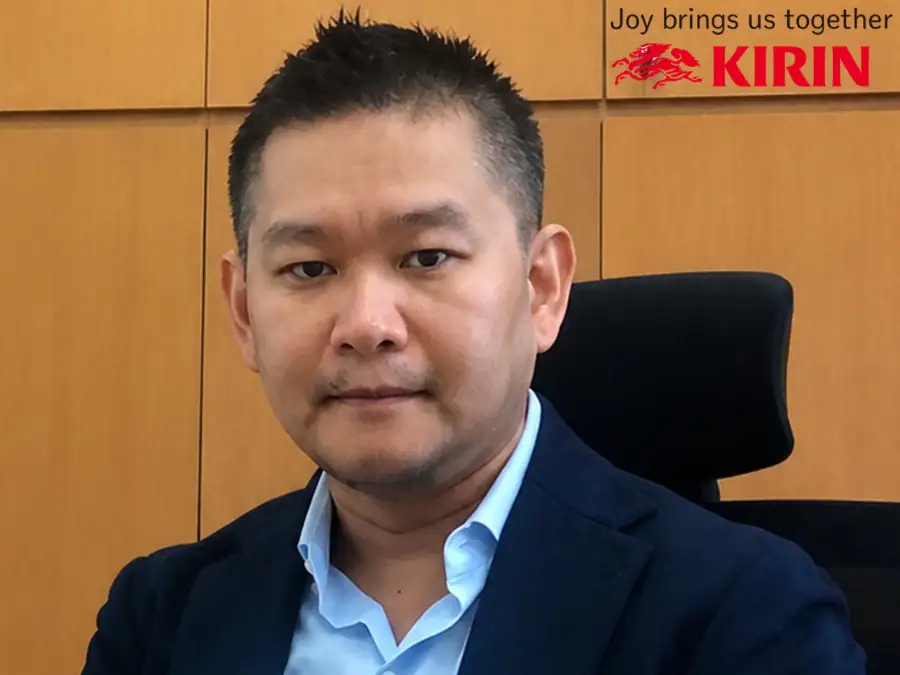
What size is international for Kirin Brewery?
Our parent company, Kirin Holdings, had annual sales in 2025 of around US$16bn – it’s one of the biggest FMCG companies in Japan. The overall alcohol business accounts for close to half of Kirin Holdings’ sales. In beer, we compete with Asahi, and in RTDs we compete with Suntory.
We have a long history of doing business overseas. As well as the Lion division in Oceania, we have San Miguel in the Philippines, which is a joint venture. Then, there’s New Belgium Brewing Co in the US.
The area that I look after, which has annual sales of around US$500m, accounts for between 8% and 9% of the Kirin Brewery business in sales terms. We’re still growing – last year, sales of Kirin’s brands overseas were up by close to 20% versus 2024.
Where do you spend most of your time?
I’m in Asia a lot. China and Taiwan have been – and continue to be – growth engines for us. I often visit our German HQ for Europe, where we have our beer and Japanese whisky businesses, and I spend time in the US. New Belgium handles the production and sales side of our beers and RTDs in the US.
Could you explain Kirin’s strategy outside of Japan to me? The sale of the Four Roses bourbon brand to Gallo earlier this year confused me somewhat.
You’re not the first person to ask the question about strategy! I can’t speak to the Four Roses divestment specifically, because it wasn’t a Kirin brand. We’d rather focus more – and intensify our investment – on the Kirin brands. Even though we’re something of a latecomer, we’re looking to attain global footprints for our beer & RTD brands. We’re also increasing our efforts to globalise Japanese whisky.
The biggest business I manage is beer – Ichiban is a global brand for us and is in about 50 markets. In some of these, we have our own sales force along with local manufacturing. In RTDs, we’re in about eight markets outside of Japan, and we’ve just launched Hyoketsu (below) in the US. So we’re also trying to expand in the very competitive Japanese RTD market overseas.
I don’t think this approach contradicts the Four Roses divestment. Maybe the valuation at the time helped to make the decision. But it doesn’t mean that Kirin is dialling down its focus on alcohol at all. Indeed, the focus on our own brands has only become stronger.
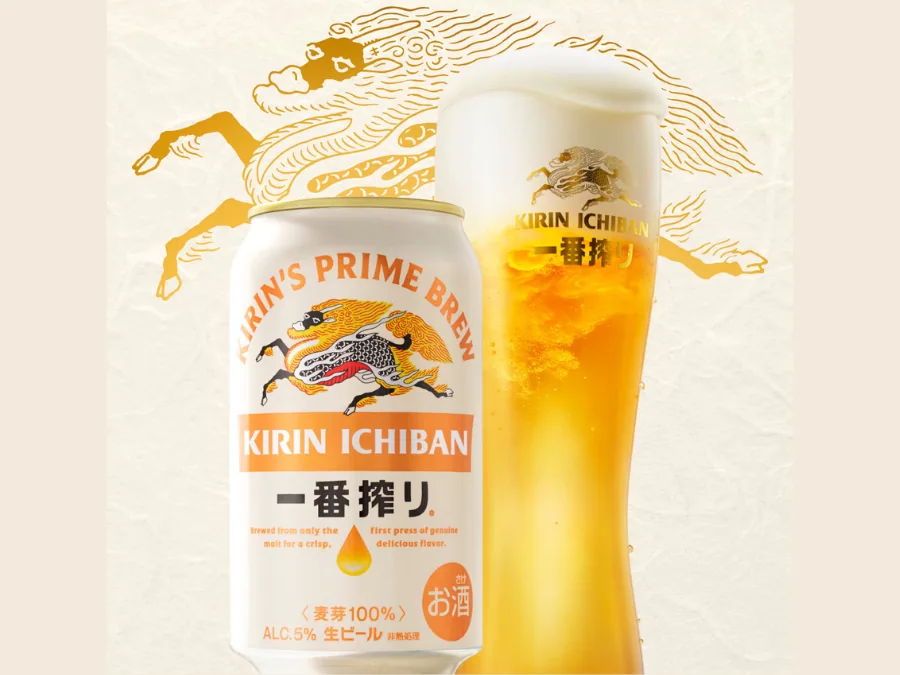
Starting with beer, then, where are you finding success for Ichiban (below)?
There’s certainly still growth coming from the premium-to-super-premium segments in beer. We’re benefitting from that momentum right now. At the same time, the beer category in Japan is driven very much by the functional, health-conscious arena – that’s where most of the innovation is happening.
Overseas, we haven’t been fully maximising our functional experience and capability, so we recently started exporting Ichiban zero carb to join Ichiban 0.0, which was released in Europe a few years ago. The good thing is that we’re not dependant any more on Japanese outlets overseas. We’re gaining wider penetration in the on-premise and aren’t limited to just Japanese restaurants.
I’m quite optimistic about Ichiban in these two areas.
What’s the split of exporting to brewing in-market for Ichiban?
It’s a mixture. In China, we have local manufacturing in the south of the country, while Lion manufactures Ichiban for Australia and New Belgium handles North America. We have two manufacturing sites in Europe, one in Germany, one in the UK, where in both cases, we work with partners.
Ichiban is our flagship product, so we want to retain clear quality control as much as possible.
Given the history of functional beer in Japan, are you frustrated at the increasingly ubiquitous presence of AB InBev’s Michelob Ultra in this area?
It feels like an opportunity missed for us, but that’s why we’re working hard. What’s also frustrating is that in Japan, 0.0 means zero alcohol; in some foreign markets, 0.0 can mean 0.03%, or something like that!
Functional beer feels like a test bed market at the moment and we should be making full use of it. We have an impressive accumulation of competencies in this area. We understand, though, that innovation is local – we really need to work together with our partners and our route-to-market. We’ve been working very hard over the past few years to make this gel.
As you mentioned, though – and thank you very much – it is very frustrating!
Turning to RTDs, and Japan appears to operate in its own bubble, innovation-wise. Is Kirin having to recalibrate its approach to RTDs for overseas?
Exactly, yes. The US is for sure the world’s biggest RTD market – Japan is second. In volume terms, these two account for around 65% of the total.
Domestically, competition in RTD innovation has been intense for around 20 years. I don’t feel Japan’s RTD companies have capitalised on this high-intensity level of competition at home. Today, we’re all working hard to really make our competencies travel.
There’s a Japanese uniqueness to RTDs. If we can ensure our price point and distribution is right, then our innovation cycle becomes a stronger competitive advantage for us. But, it has to be localised. We have global branding, but we undertake recipe development based on in-market consumer research, then adapt the taste profile to launch something relevant for that market.
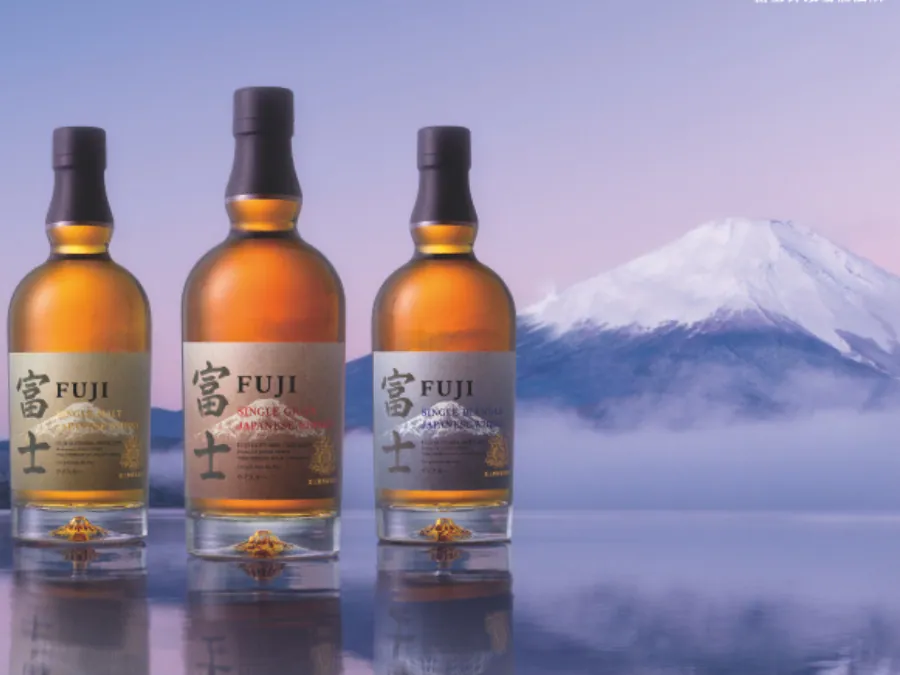
Then, to Japanese whisky; Have exports always been important to Kirin in this category?
That’s correct. In Europe, our whisky brand, Fuji (above), which we only launched in 2020, is in about 18 markets. The brand’s also present in Asian markets including China, Taiwan, Korea and some parts of South-East Asia. We’re also distributing into Australia, New Zealand and North America.
In just six years, we’ve been able to grow a good distribution footprint for Fuji that highlights its appeal globally.
Is there anything else in the domestic portfolio that could work in overseas markets for Kirin?
We’re the biggest wine company in Japan through Mercian Corp, although that’s not under my responsibility. We’re going to focus on our three major categories of beer, RTDs and Japanese whisky – that’s going to keep me busy enough for the time being.
From a marketing perspective, is there any single element that can be applied across all three categories for you?
While beer and RTDs are similar, Japanese whisky is a bit unique, I have to say. It has completely different distribution to the other two, for example, whereas I see a lot of commonality in beer and RTDs. It’s like I oversee two different businesses.
Where are the main growth engines for Kirin outside of Japan?
The bigger growth is coming from the APEC (Asia-Pacific Economic Cooperation) markets, which include Asia, North America and Oceania.
In October last year, we set up Kirin Brewery South-East Asia, which is a new regional HQ stationed in Malaysia that governs the seven markets for us in the region. Kirin has been there for years and while we’re growing in China, Taiwan, Korea and the north-east Asian markets, our focus going forward will be more on South-East Asia.
Over the next five to ten years, we’ll be still focusing a lot on APEC.
It sounds like you have many plates to keep spinning for Kirin.
The Kirin-owned brands across beer, RTDs and Japanese whiskey still have a lot of headroom to grow. From that perspective, you’re probably right! But then, in beer, we’re focusing on Ichiban, in RTDs on Hyoketsu and in whiskey on Fuji. It’s not like I have a huge portfolio of many, many brands to worry about.
Growth is always important. We’re recruiting more people and bringing in more capabilities, but it’s all manageable!
This article is available to Global Drinks Intel members only.
Click below for details on how to join the Global Drinks Intel community.
Already a member?
Log in here to read the article in full.
If you work for any of the following corporate subscribers to Global Drinks Intel, head here to activate your access.
- AB InBev
- Bacardi
- Campari Group
- Diageo
- Moët Hennessy
- Pernod Ricard
- Proximo Spirits
- Suntory Global Spirits
- William Grant & Sons