

London’s bar scene is a hotbed of talent and innovation, with a diversity that is arguably unmatched anywhere else in the world. However, big challenges lie ahead, which the city’s on-premise must strive to overcome. Global Drinks Intel’s Amy Hopkins reports
A leading light in the international bar scene, London benefits from a melting pot of influences. The city is uniquely diverse in terms of its geography, culture and population, which is reflected in its hospitality venues. From cutting edge neighbourhood bars and specialist spirits providers to high-end hotel bars and high-volume clubs, there is no one defining feature of London’s on-premise, other than its sheer variety.
Before the pandemic struck, London’s hospitality sector employed 568,000 people — over 10% of the city’s workforce, according to the office of the Mayor of London. Many of these employees hail from abroad and go on to invest in opening their own businesses in the city, helping to create a rich gastronomic tapestry.
“Diversity has been London’s strength for so long, and that’s built over years,” observes Ryan Chetiyawardana, aka Mr Lyan, founder of Lyaness and former London bars White Lyan, Dandelyan and Cub. “We’ve absorbed flavours and influences as part of British culture but crucially, people have been able to come here over the years and apply their insight and experience. This all compounds with the fact that London has an interested public, and a media that supports and promotes the creative energies of the city. It’s unparalleled as a scene.”

There are a number of districts where the on-premise truly shines in London. At the heart of the city, there’s the inimitable Soho, home to the acclaimed Swift and Bar Termini, as well as a raft of late-night clubs and LGBTQ+ venues. Another hotspot is Shoreditch in East London, where you’ll find the experimental Callooh Callay, Tayēr & Elementary and Black Rock. In the north, Angel and Islington are home to the likes of Homeboy and Little Bat, while scores of café-style day-to-night venues pepper the south and west.
“What London has to its advantage over smaller cities is its sheer size — there is much more scope for bars to specialise,” says Swift co-owner Bobby Hiddleston. “There is a bigger market and people are willing to travel to try new things, so there is much more local competition. Bars need to stand out.”
Key trends
Like any capital city in the UK, London has its fair share of pub and bar chains. However, the city’s most acclaimed establishments tend to be independently owned, with a solid USP and commitment to innovation.
Despite the damage Covid-19 has wrought on the hospitality sector, two of the city’s most lauded bars — Swift and Hacha — have opened second sites over the past year. In July 2020, the team behind Swift expanded the bar’s footprint to Shoreditch with a new all-day venue. Meanwhile, the founders of Dalston agaveria Hacha opened an outpost in Brixton in July this year.

According to Emma Murphy, co-founder of Hacha, Londoners are drawn to newness so will journey out of their local areas to destination bars. “Patrons now are so much more hungry for experiences and will travel to try new things and to create memories,” she says. On the flip side, the pandemic has further ingrained the importance of neighbourhood bars, as residents cut down on travel and look to support their local businesses. Cross-city travel and London’s huge tourism market will return in time; until then, engaged and supportive local communities will ensure the survival of their favourite haunts.
Alan Sherwood, owner of neighbourhood bar Little Mercies in Crouch End, notes a move towards casual drinking and dining. “After the last year or so, I think there will be a big shift towards approachable drinking,’ he says. “Neighbourhood bars have been more stable financially than those in areas where people travelled to work. The simple fact is that people have been forced to stay in the area they live, and having drinks menus that you could enjoy every day has become an important factor.”
Also in response to the pandemic, a number of bars — such as The Wigmore on Regent Street — have opened outdoor terraces, enhancing the prevalence of the European aperitif occasion in London. Others have launched cocktail delivery services, which have proven to be a lifeline for some bars to remain afloat during lockdown, though it is unclear whether the trend has longevity as services resume.
Another big trend that was ignited in London and has since spread to other cocktail capitals is sustainability. Indeed, for some bars, sustainability has become more than a trend; it is a guiding principle which informs every element of their operation. Two of the biggest pioneers, Cub and Scout, recently closed their doors for good, but this has not stopped the movement from gaining traction.
Local players
London is not only famed for its bar scene; the city also has a thriving distilling and brewing industry. In particular, there are a number of respected distillers and rectifiers of gin, which has close historical and cultural associations with London.
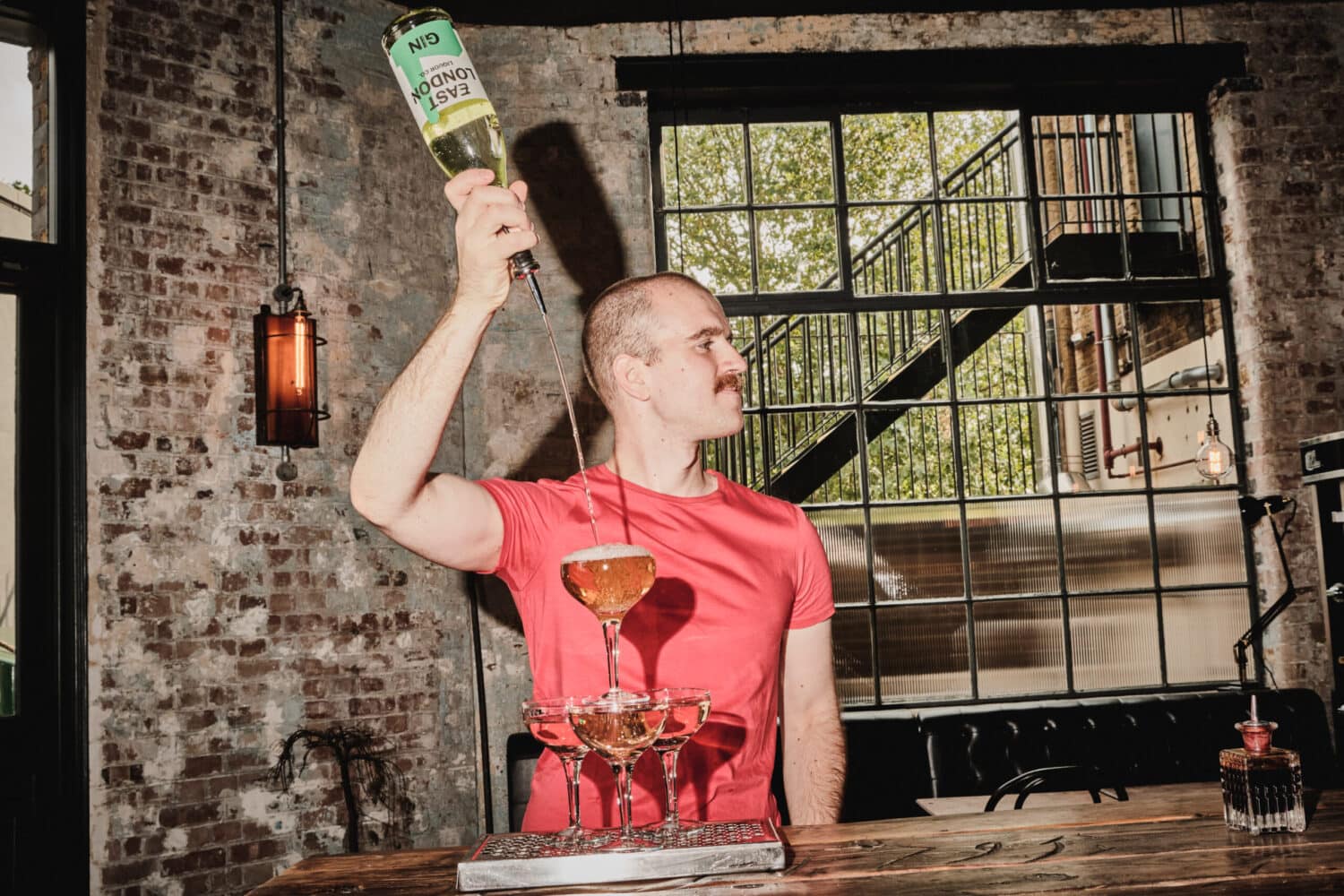
Beefeater is the biggest London gin brand, with its distillery based in Kennington, and is popular among both tourist and local-centred bars. Another big name is Sipsmith, based in Chiswick, as well as East London Liquor Company in Hackney and City of London Distillery in the historic Square Mile. Multiple independent microdistilleries are spread across the city, many of which feature their own cocktail bars. In terms of brewing, London’s bars and pubs champion their local craft ales — from Camden and Beavertown to Meantime and Five Points.
International players
Of course, London’s vast international influence means global brands are available in abundance. Not only is there a high awareness of the big international drinks brands, but an informed and experimental generation of bartenders champions lesser-known labels and drinks categories from overseas.
Niche bars that focus on a particular type of beverage or drinks culture have been on the rise in London for some time. This summer marked the opening of La Rampa in Oxford Circus, which celebrates the heritage and culture of 1950s Havana. With Marcis Dzelzainis, previously of Dandelyan and 69 Colebrook Row, creating the menu, La Rampa will look to pay homage to Havana “in an authentic and respectful way”.

There are other bars that highlight the likes of cachaça, French brandy, vermouth and agave spirits. Of Hacha, Emma Murphy says: “[Our] focus is agave spirits and we are striving to push this category forward and make it more accessible and understood by consumers.”
Challenges & opportunities
Despite the strength and maturity of the London bar scene, businesses will feel the effects of the pandemic for some time yet. Right now, the industry is facing a debilitating staffing crisis brought on by the pandemic and Brexit.
“Unfortunately, London is losing some great talents,” says Murphy. “Brexit and the pandemic have played a big role in taking away some of the best people in the industry. It’s becoming a struggle to find motivated bar staff and employees that believe hospitality can be a career that is worth pursuing, which is largely due to the ever-changing situation over the last year and a half.”
In addition, due to lapsed negotiations with landlords and a lack of government intervention, many bars have accrued insurmountable piles of rent debt. For some, such as the famed Milk & Honey in Soho, the challenge has proved fatal, leading to their permanent closure. Little Mercies’ Sherwood also notes that city bars that have long relied on business from commuters will struggle as patrons choose to drink closer to home. “There is a huge challenge for venues that thrived on local workforces and don’t have a direct residential community,” he says.
In terms of opportunities, London’s on-premise is nothing if not resilient, and a number of new bar openings gives hope that the industry is bouncing back. However, Swift’s Hiddleston notes that this will be a protracted process, and “it’ll be a year or two before it will feel like it did pre-2020.” He adds: “If a bar can survive the next 12 months, it will be rock solid.”