In today’s volatile trading environment, where margins are increasingly squeezed and volume growth is, at best, sluggish, and, at worst, non-existent, the high-end (and high-end spirits, in particular, which are growing faster than any other segment) offers a refreshing and appealing alternative for beverage alcohol brand owners.
The luxury on-premise is highly competitive, however, with rules of engagement that sit at odds with traditional channel-specific strategies, requiring in-depth understanding, targeting and tactics. So why does nobody conduct research into this hard-to-reach – but highly profitable – sales opportunity?
The world of premium alcohol has been at the centre of attention recently. In the space of two weeks last November, Diageo announced the formation of its Diageo Luxury Group, Pernod Ricard announced an “active prioritisation” of premium brands and a shift towards luxury in 2025, and Moët Hennessy owner LVMH reshuffled the unit’s leadership team, upping its focus on the wine & spirits business.
The moves coincided with an upturn in the demand for high-end experiences, with consumers turning to fewer, but better, on-premise visits, during which indulging in the very best drinks is a given.
In these instances, the on-premise acts as a playground for the very affluent to test, trial and savour opulent elixirs and the finest of brands.
To quote French aristocrat – and fashion designer – Hubert de Givenchy, “luxury is in each detail”. The specifics of high-end experiences matter, from an ironed tablecloth to intricately-sculpted ice cubes and the crystal-cut glass.
However, very often the same level of detail that is meticulously pored over when creating prestige products is lacking from luxury on-premise strategies. It’s a monumental challenge to craft tactics for very elite and exclusive venues, in which consumer behaviour is so rarely analysed or even observed, for fear of interrupting what should be an unspoiled hospitality experience.
As a result, research, data and insights, upon which a winning strategy should be built, are hard to come by – and it’s expensive. Far too often, brands tend to lazily fall back on what is perceived to be ‘the luxury consumer’.
Taking inspiration from the likes of high fashion, jewellery and supercars, messaging is often centred around a vague notion of an aspirational lifestyle, in the hope that something resonates and a high-net-worth consumer relationship will blossom.
Of course, this approach could prove fruitful. The silver-haired, golden-tanned 50-something, dressed head-to-toe in designer apparel, wistfully looking out of a classic convertible at a sunset vista, may well be your target consumer. They may well want to know about the exclusive casking and distillation. Or they may not.
We don’t know, because we’ve not done the research.
What we do know is that, for the on-premise specifically, luxury is not just the sanctum of the highest spenders. Indeed, accessible luxury is increasingly the domain of more than just the top 1% – just look at London, where the number of five-star hotel rooms has risen to over 20,000 for the first time, allowing those with slightly shallower pockets to enjoy a slice of the high life.
Meanwhile, private members clubs are booming, with soaring waiting lists and an increased presence across all corners of the world; new openings of grand cigar lounges in East Asia continue to cater for the high-end, and sporting clubs and leisure operators prioritise corporate hospitality to capitalise on demand. Perhaps then the consumer base, alongside the opportunity, is growing – and perhaps luxury consumers aren’t all alike.
But the challenge remains: how to research a segment in which research is nigh-on impossible.
My (admittedly biased) suggestion, of course, would be to invest appropriately and spend money to run high-quality research to allow you to take advantage of a high-quality (and high-margin) sector. This can be done through innovative ways of data collection, in-depth interviews with luxury consumers or exclusive ‘taste-and-learn’ events, with the return-on-investment far outweighing any initial spend on research.
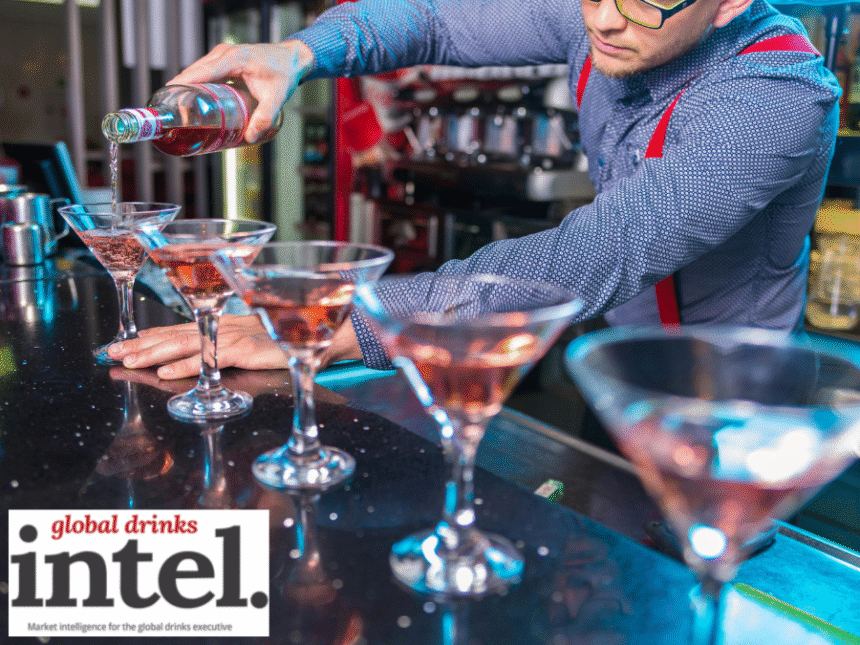
I appreciate this approach isn’t not for everyone. There’s a very appealing and very worthwhile alternative: head to a luxury venue, settle yourself in with a drink and speak with the staff. One conversation with a bartender about who they serve, what they ask for, how brands best show up and what resonates will unlock thousands of interactions with luxury consumers.
Order another drink and find a different seat. Observe the consumers and watch their habits, their interactions and their occasions. Order another drink and build a winning strategy from what you’ve learned.
Then, order a final drink and savour it – because you’ll have earned it.