On the main drag into Albuquerque, in New Mexico, in a swanky neighbourhood called Nob Hill, there is a bar. Relatively unassuming and easy to miss if you aren’t looking out for it, it is a really excellent bar.
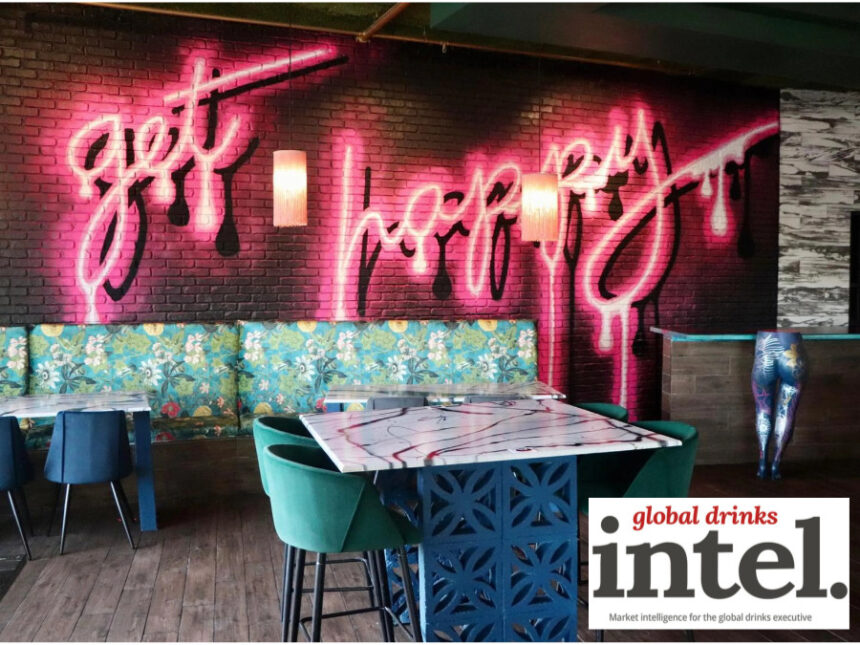
Here is a hub of creativity where cocktails push the limits and where invention and imagination craft new and exciting drinks – often by mistake. That gives the bar its name, Happy Accidents (above).
The venue is run by one of the most recognisable and influential bartenders in the US and beyond, Kate Gerwin (below), herself the epitome of originality and innovation. You may have caught her on Netflix’s Drink Masters, where she was runner-up, or sharing her 20 years of expertise on Paramount’s Bar Rescue.

Happy Accidents is recognised by what is increasingly becoming the bible of good bars: the World’s 50 Best. The venue appears on the ‘discovery’ list and is a must-visit for anybody setting foot in New Mexico.
Yet, when speaking with Gerwin at a recent panel for high-profile bartenders who drinks brands fall over themselves to woo, there was a feeling that her small corner of the world is forgotten; cast aside in favour of the higher-end Chicago, Los Angeles or New York venues where brands fight among themselves to gain prestigious listings.
This reflects a sentiment that I’ve increasingly sensed across the on-premise channel, in that the focus of many brand owners is increasingly concentrated across the few highly-esteemed venues rather than the many.
If Gerwin feels shunned, despite having such a platform and reputation, then one can only imagine the struggles that the more typical neighbourhood bar faces when trying to work with suppliers.
Not only is that a shame for the majority of on-premise bartenders who run high-quality venues that are perhaps overlooked on the international stage, but it’s also a bad business decision.
This is a decision shaped by vanity rather than sense, and one that, when investment in channel support is increasingly questioned, is ill-afforded.
To an extent, I get it. Winning a listing in a venue in the top 1% is a buzz. It provides access to a demographic of guests that is worth attracting. It gifts an aspirational consumer who cares about their drinks, seeks out the best of the best and is open to trialling new products.
Securing a prestige listing opens an opportunity to influence the influencer, to put your product in the hands of the best bartenders and in front of the type of consumer who spreads the word and recruits the next wave of adopters.
Winning in luxury often means winning in premium, and winning in the 1% means winning in the next 10% through ‘trickle-down’ influence, especially if nurtured and set up to do so.
Behind those benefits, however, lies a less scrupulous motive, one that may be what’s giving rise to those bad business decisions.
Winning that listing also gives drinks executives an excuse to splash out on extravagant, expenses-paid visits to top-tier venues, conveniently located in the hubs of commerce and the home cities of drinks brands. That rarely extends to Albuquerque, New Mexico.
And if a city like Albuquerque doesn’t get a sniff, in a market where multinational drinks brand owners focus much of their attention, what chance do the best bars in Accra, Adelaide or Antwerp have?
Therein lies a missed opportunity, not necessarily in these (hastily Googled) cities beginning with ‘A’, but in the vast number of global towns and cities like them that will host swathes of good, if not great, hospitality venues.
Those perceived tier-two locations and tier-two venues are exactly where brands can most stand out.
A listing at The Connaught Bar in London, for example, is fantastic, but to the bartenders working there and learning about the product, it’s simply another good brand among the sea of good brands that are fighting for their attention.
My hunch is that in authentic, rough-around-the-edges neighbourhood bars brimming with locals, attention from drinks brands may well be more appreciated.
In such often-overlooked venues, bartenders will feel the love, value the effort and will reciprocate the affection. The drinks brands that invest in these places will stand out and gain the substantial rewards on offer.
Yes, it may not be the guest that travels around the world ticking off the most influential bars, but plotting a course to identify and invest in the best of the rest will expose your brand to a wider audience – and generate an army of genuine fans appreciative of that investment and willing to advocate in return.
My recommendation, then, is to focus on these venues to reap long-term rewards – and, who knows, you may even stumble upon one or two happy accidents in the process.