The recent rebranding exercise conducted by BrewDog across its portfolio got me thinking about mavericks – specifically, the decline of maverick brands – and the high level of risk attached to any brand choosing to make ‘maverick’ its long-term brand strategy.
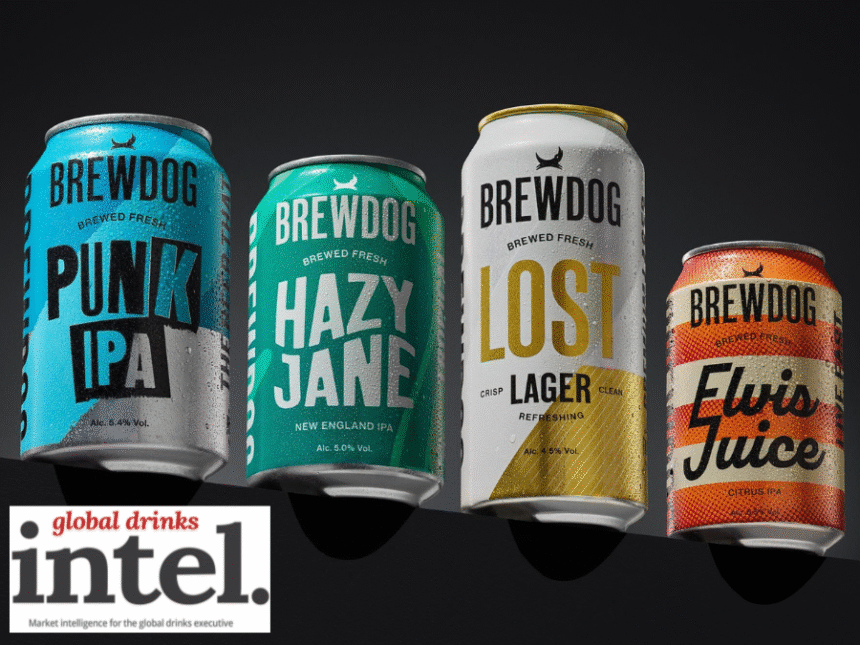
BrewDog’s brand refresh – “a new look for a new era”, the company has promised – came about following a well-documented period of upheaval at the business, which in October kast year reported a doubling of losses to GBP59m (US$79.8m) for the 12 months of 2023, the final full year with co-founder James Watt as its CEO.
Then, in May this year, under a new CEO (James Taylor, the brewer’s third since mid-2024), BrewDog unveiled its first major packaging update and redesign in five years. Rather than “disrupting” the category as promised, however, the result has drawn criticism from some for being bland.
Or, to put it another way, the BrewDog brand has matured – from punk to grown-up.
Another brand built on being a maverick that’s had a different kind of torrid time of late is Monster. The energy drinks giant recently suffered sinking stock after announcing below-expectation quarterly profits and blamed convenience stores, more competition and a move away from sugary drinks.
Even Red Bull, the second-highest selling soft drinks brand in convenience stores, has recently seen sales start to flatten, with volume growth easing (to 8.7% in calendar 2023, after rising by around 20% for two consecutive years).
So, why?
Like BrewDog, Monster has talked about wider market conditions being the problem. My take, however, is that each brand owner has demonstrated a similar gap in their marketing strategies.
Positioning your brand as the antithesis of something is all well and good for a start-up and a challenger brand. As a long-term strategy, though, this has risks – most notably, it leaves you exposed to being what the next new brand positions itself as being counter to.
Or, to put it another way: while a maverick brand can stand out from the competition by being unique and innovative, creating a distinct brand identity for long-term success needs to be rooted in more.
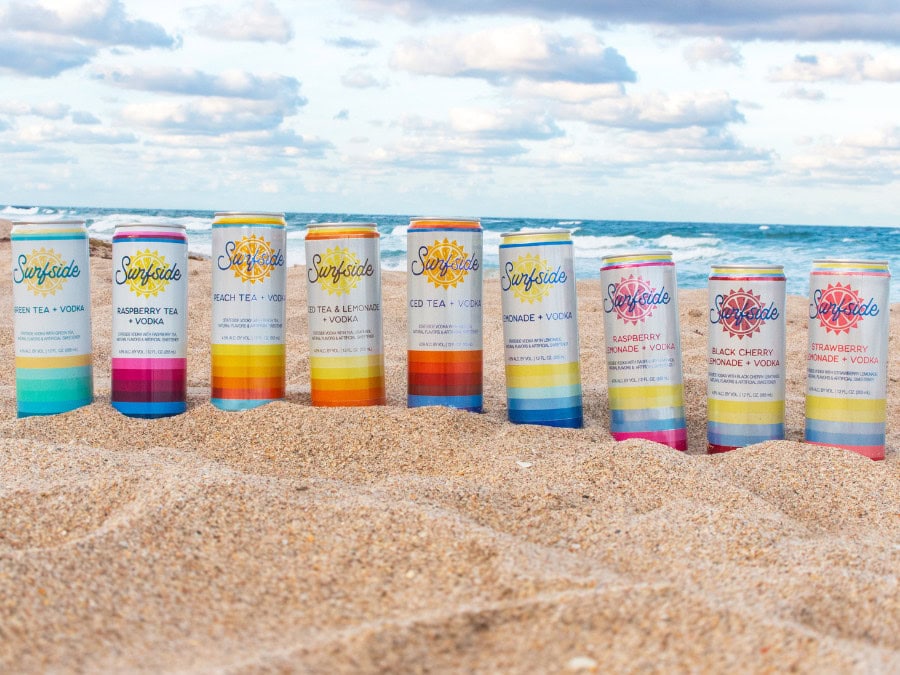
To prove this point, consider vodka-based hard tea RTD Surfside – the fastest-growing alcohol brand in the US off-premise channel last year, with its US-based parent, Stateside Brands, reporting 362% value growth in scanned retail in domestic sales alone.
Its phenomenal growth is reminiscent of that enjoyed by Monster and BrewDog five or six years ago. Surfside is using the same maverick approach as Monster and BrewDog, but is demonstrating a new type of rebellious attitude. With slogans including ‘Gluten can piss off’ and ‘Blessed by the rabbi himself’, the brand plays into classic rebel behaviour – a sure way to gain short-to-mid-term traction.
In the longer term, however, it’s far better to focus your brand according to consumer needs, always working to stay a few steps ahead of what they want.
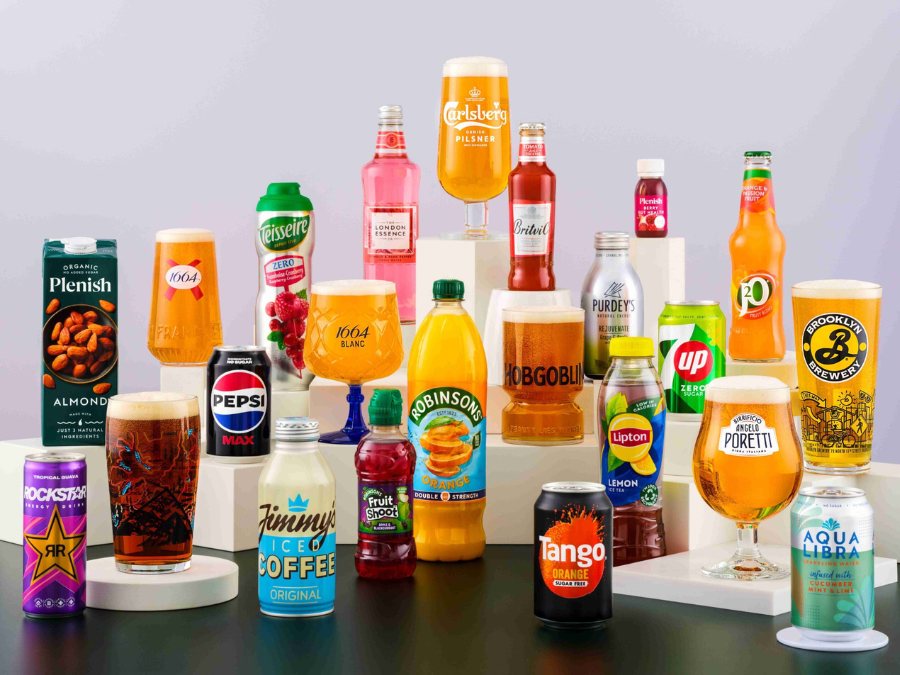
This is the exact strategy Carlsberg Britvic – the business with a portfolio ranging from Tango and Robinsons to J20 and Fruit Shoot, which launched in January following Carlsberg’s acquisition of Britvic last year – is now following.
In May, the UK division released details of its new seven-step strategy for retailers – a plan to achieve growth by meeting different consumer needs that, the unit claims, can drive soft drink sales in the convenience channel alone worth GBP225m (US$302m).
Among the opportunities that Carlsberg Britvic has identified is leaning into soft drinks that fuel beyond traditional energy drinks – including, notably, stimulant drinks, mealtimes (soft drinks featured as accompaniments in just 28.6% of meals eaten in the UK last year) and treating.
The lesson is clear: you need to be more than ‘just’ a challenger brand to resist being uprooted over time.
‘New’, ‘different’ and even ‘quirky’ can be good for business for a while, encouraging trial, but long-term success comes from loyalty, which comes from brand commitment, investment and an understanding of the importance of being more than a one-trick pony.
This article is available to Global Drinks Intel members only.
Click below for details on how to join the Global Drinks Intel community.
Already a member?
Log in here to read the article in full.
If you work for any of the following corporate subscribers to Global Drinks Intel, head here to activate your access.
- AB InBev
- Bacardi
- Campari Group
- Diageo
- Moët Hennessy
- Pernod Ricard
- Proximo Spirits
- Suntory Global Spirits
- William Grant & Sons