Late last year, Huel, the meal-replacement brand that positions itself as “the future of food”, announced a 16% leap in full-year sales as profits almost trebled on the 12 months prior. The powder- & beverage-based brand has grown so quickly since commencing operations in 2014 that it offers valuable insight to the alcohol industry into how to market new products – even how to approach the whole NPD process – in the right way.
Historically, a lot of NPD in alcohol has been driven by a mix of category growth and ‘FOMO’ (fear of missing out). The conversation tends to be: “Category X is set to increase by X%, therefore we need one of those.” Then, everyone duly sets off to create a brand that has been designed to meet what the category demands.
That’s how, in 2014, a brand whose core product might just be the driest substance known to humanity ended up in the drinks chiller cabinet.
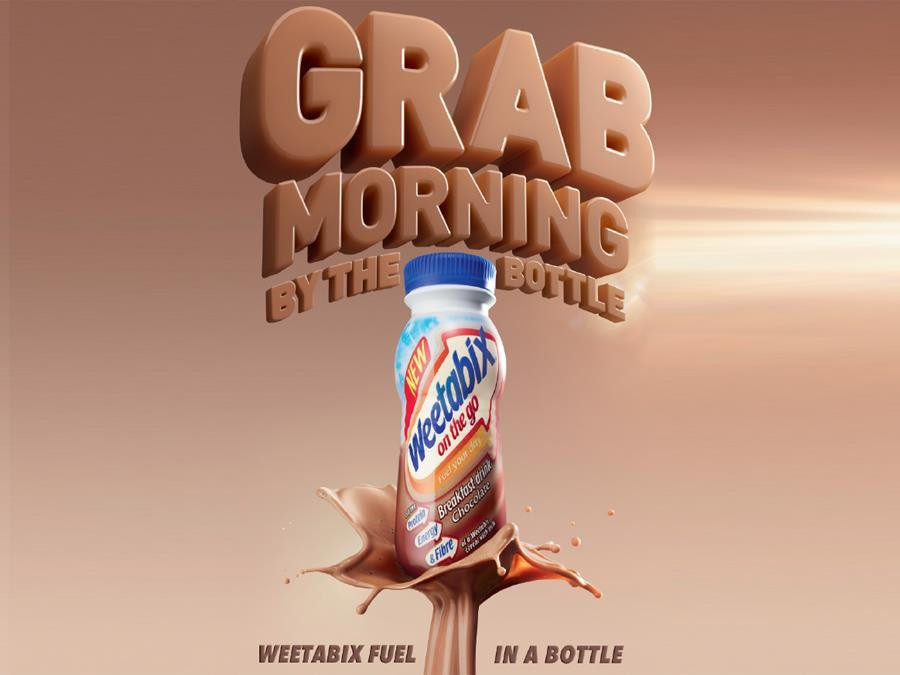
The On The Go breakfast beverage (below) from cereal producer Weetabix was a direct result of brand managers’ concerns over data showing that commuters were abandoning traditional breakfast at home. The figures were supported by predictions at the time that within a couple of years, the on-the-go category would be worth GBP300m (US$375m) in the UK.
Category unconventions
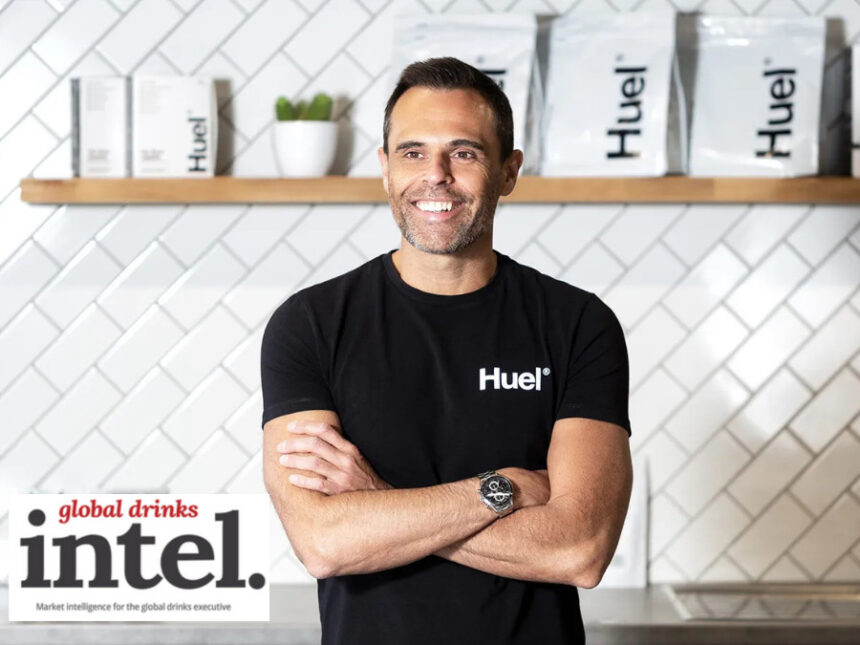
Around the same time, a former road digger called Julian Hearn (top) was sitting in his garage developing Huel. The concept was that Huel would be a nutritionally complete food that has a minimal impact on the environment. But rather than take the NPD road most travelled, Hearn was focused more on creating the kind of brand he had in mind, and then aligning it to the product he was making.
Every alcohol category has its conventions – those codes that must be adhered to, whether it’s the shape of a bottle or the colourways that already exist. I think we often follow a category’s conventions and codes because we are afraid of not looking like the rest of the shelf.
Huel, however, ignored the rules of its category. Indeed, everything about the brand was – and still seems to be – designed so it doesn’t look like a functional food brand. The logo and packaging are deliberately understated, and even the way the website is laid out looks more like a clothing or lifestyle retailer.
This contrarian approach extends to Huel’s advertising as well. When two of Huel’s ads were recently banned by the UK’s Advertising Standards Authority, it felt less like a misstep and more like part of the plan – a move that generated more media value than the ads themselves likely could.
It’s a classic challenger brand move: take risks and do things differently.
Huel cracks aspiration
For a myriad of reasons, a lot of marketers have become caught up in the idea that all their comm’s must look and sound exactly like the core audience for their brand. Not only does this result in boring advertising, but it also fails to create a sense of aspiration – a brand that appeals to a consumer’s slightly better version of themselves.
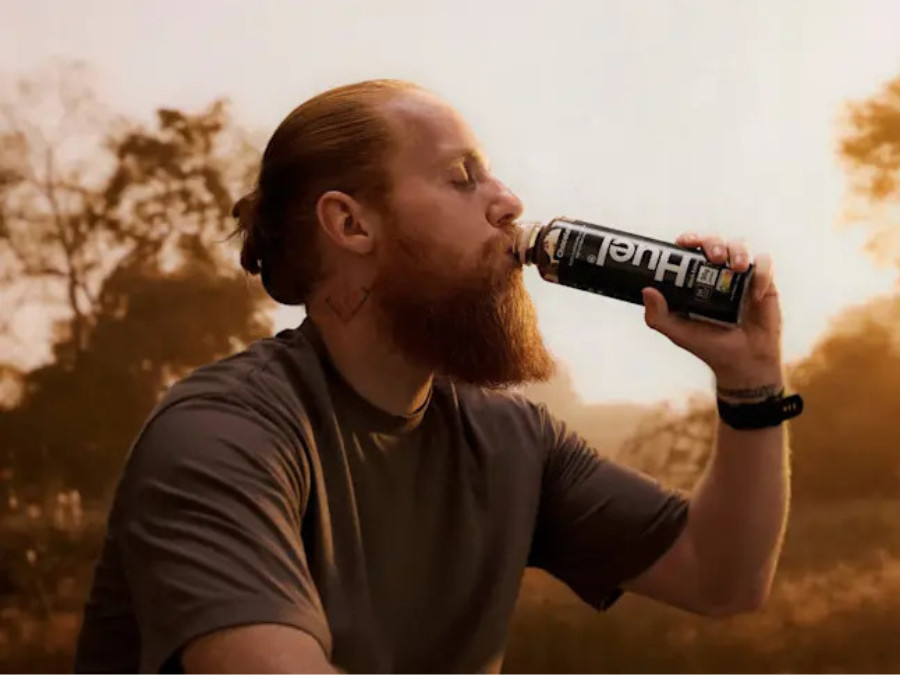
Huel doesn’t do this. Its advertising features slightly affluent-looking, slightly good-looking people, who are definitely fit and healthy, and I’m not convinced that reflects their core consumer.
The brand isn’t showing the consumer what they are today; Huel is showing them what they could be if they embraced the product. One of my favourite sayings is ‘be a magnet, not a mirror’. Huel’s marketing definitely does that, inviting consumers to dream a little.
Beyond the superfans
When Hearn was fulfilling his first Huel orders in 2015, the big news was how the future lay in D2C brands, such as Dollar Shave Club and mattress company Eve Sleep. Huel quickly grew to become a multimillion-pound brand purely through direct selling, with a passionate fanbase of ‘Hueligans’ helping shape the product.
But the company has wisely pursued much wider distribution.
The brand’s first listing was in 500 Sainsbury’s stores in 2019 – five years later, Huel was available in 25,650 retail outlets of all stripes. That’s where the big growth opportunities are – with casual buyers who might pick Huel as part of their lunchtime meal deal once or twice a month. That’s the power of branding: the more the consumer sees the product, the more visible it is, the more likely they are to make a purchase.
Ultimately, the point here isn’t to outline the steps a brand should follow if it wants to replicate Huel’s success. It’s about asking ourselves the right questions and challenging the conventions when it comes to marketing and NPD.
Sometimes, the answer is going to be to carry on as we usually do – but there’s a lot to be said for being brave enough to go against the grain and just seeing what happens.
This article is available to Global Drinks Intel members only.
Click below for details on how to join the Global Drinks Intel community.
Already a member?
Log in here to read the article in full.
If you work for any of the following corporate subscribers to Global Drinks Intel, head here to activate your access.
- AB InBev
- Bacardi
- Campari Group
- Diageo
- Moët Hennessy
- Pernod Ricard
- Proximo Spirits
- Suntory Global Spirits
- William Grant & Sons