As the UK’s largest independent drinks wholesaler, LWC blends scale, local knowledge and sustainability to navigate a challenging on-premise channel and keep the pints and profits flowing.
The scale of LWC’s operations is impressive. As the UK’s largest independent drinks wholesaler with over 1,700 employees, the Manchester-based firm supplies around 8,000 different product lines to around 15,500 on-premise customers across the country. The ever-changing assortment includes 1,200 draught beers, 500 bottled beers, 200 ciders, 2,800 spirits, 1,500 wines, 1,300 soft drinks and 140 RTDs.
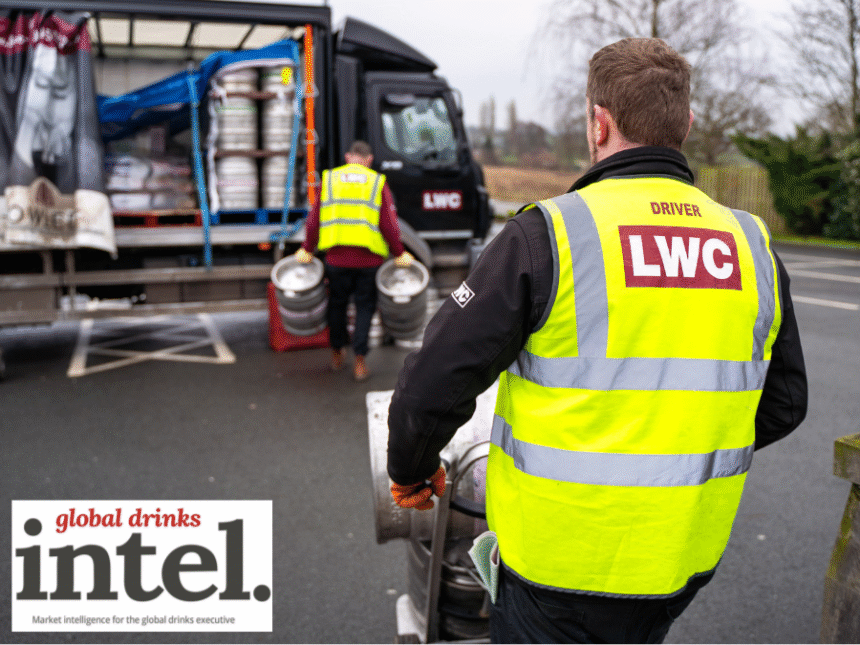
LWC has 170 drivers on the road, supplying drinks to pubs, bars and restaurants seven days a week. At the same time, its 80-strong WSET-qualified team of account managers are sitting down with customers trying to grow their sales, despite challenging on-premise channel headwinds, by supplying cask ale, wine and cocktail training, marketing materials such as wine menus and drinks lists, as well as banners, posters and POS materials.

Service over size – The LWC difference
For MD Ebrahim Mukadam (above), who established LWC in 1979 as a small start-up with business partner Robin Gray, what stands the company in good stead is its commitment to service, not its size.
“Service has always been central to how we operate, not just in the sense of delivering on time, but in genuinely understanding and responding to what customers need,” he says. “Our decentralised model allows each depot to operate with local knowledge and flexibility, while still drawing on the scale and systems of a national network.
“What sets us apart is the consistency with which we deliver that model,” he adds. “Every one of our depots is invested in its own local relationships, whether that’s daily support for a local pub or working with a major group across multiple sites. We back this up with significant reinvestment in systems, people and infrastructure, so we can keep pace with what our customers expect from us.”
LWC stands apart from other drinks wholesalers in that it has skin in the on-premise game, with its Dorbiere Pub Group division, a 40-outlet Manchester-based pub group with community pubs, country inns and student bars across England’s north-west, north-east and Midlands regions. Operating an on-premise chain allows LWC to view the business from its customers’ point of view and to test out new products.
In the company’s financial year to the end of September 2024, LWC’s parent company, Licensed Wholesale Co, reported turnover of GBP804.8m (US$1.1bn), up from GBP627.5m the previous year. This strong performance was buoyed by the group’s acquisitions of the wholesaling division of Glamorgan Brewing, a wholesaler operating in Glamorgan and south Wales, and Hills Prospect, a drinks distributor based in the south-east of England.
Navigating on-premise headwinds
Despite the lift in sales, the company’s pre-tax profits for fiscal 2024 fell from GBP41.1m to GBP23.4m, reflecting the challenging state of the UK hospitality sector.
A barrage of challenges has dampened demand and squeezed the industry’s bottom line, from ongoing economic pressures due to the cost of living crisis, rising energy costs and a consumer trend towards moderation, to increased employer National Insurance (social security) costs, new recycling taxes and substantial ABV-pegged increases in alcohol duties.
“The UK on-trade has shown impressive resilience, but the reality is that inflation, rising operating costs and duty increases have put sustained pressure on margins,” admits Mukadam. “Operators are being squeezed from all sides and, while footfall is in some instances returning, spend-per-head is under constant scrutiny.
“At LWC, we’re acutely aware of those challenges and are focused on offering practical support where it matters most,” he continues. “Our localised account management model means our teams are embedded in the realities of each customer’s business. Whether it’s suggesting margin-friendly swaps, creating menu pairings or helping streamline stockholding, we’re always looking for ways to ease pressure and drive value.”
Regulatory changes are also heaping further pressure on the business. Since their full introduction at the start of the year, the UK’s new Extended Producer Responsibility (EPR) rules, which require producers and suppliers to take greater responsibility for packaging waste, have had ripple effects through LWC’s supply chain.
Mukadam says LWC had been preparing for EPR since 2023, with the legislation prompting “a greater expectation across the trade for genuine progress on sustainability, not just compliance”. That expectation has, in turn, accelerated LWC’s own ESG strategy, which aims to embed environmental considerations into product development and internal processes.
Sustainability and the rise of English wine
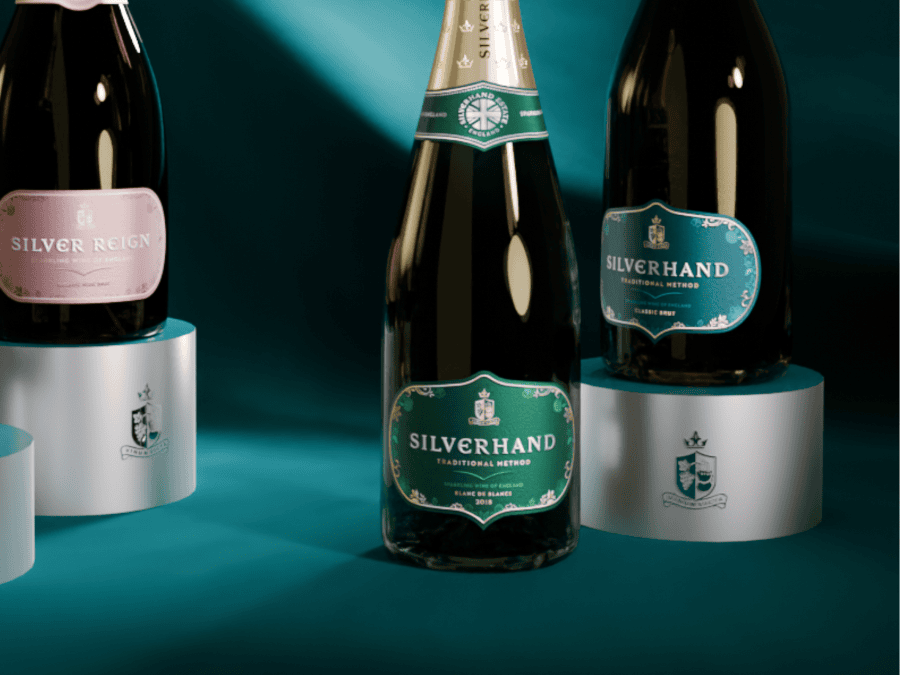
It also informs LWC’s portfolio choices. The company’s recent partnership with MDCV UK, one of the country’s largest English wine producers and the owner of the Silverhand Estate (above) and Harlot brands, reflects both consumer demand for provenance and the desire to support sustainable producers. Silverhand Estate is the UK’s first carbon-negative vineyard and its alignment with LWC’s values was a deciding factor.
“English wine has become a powerful category in its own right, and our partnership with MDCV UK reflects that momentum,” says Mukadam. “But, it’s not just about patriotism. There’s genuine consumer interest in provenance, sustainability and premiumisation, and English wine is delivering across all three.
“This partnership gives our customers access to English wine with quality, story and scale,” he adds. “It’s a natural next step in our wine strategy and aligns with our broader ESG ambitions and commitment to supporting sustainable producers.”
In a mature, cost-conscious market where wine is widely perceived as being in decline and struggling to recruit younger LDA consumers, the category is a key focus for LWC. The company has almost doubled its number of regional wine development managers to 30 and, in the past three years, wine has grown from 13% to 16% of its sales mix.
LWC has also championed accessible formats, story-driven branding and sustainable credentials as key to reaching new audiences. “We’re seeing real engagement from younger LDA consumers when wine is positioned accessibly – whether that’s through compelling by-the-glass offers, canned formats or wines that tell a story,” observes Mukadam.
“Sustainability credentials really resonate with this audience, as well as low-intervention wines and lower-ABV ranges.”
The key, he argues, is to “meet them where they are” and avoid jargon. “That might mean offering fresher styles, natural cues or simply building wine into more relaxed, occasion-based serves,” says Mukadam. “Our approach is to curate a wine offer that’s still grounded in quality, but without the intimidation factor.”
Beer and the next wave of growth
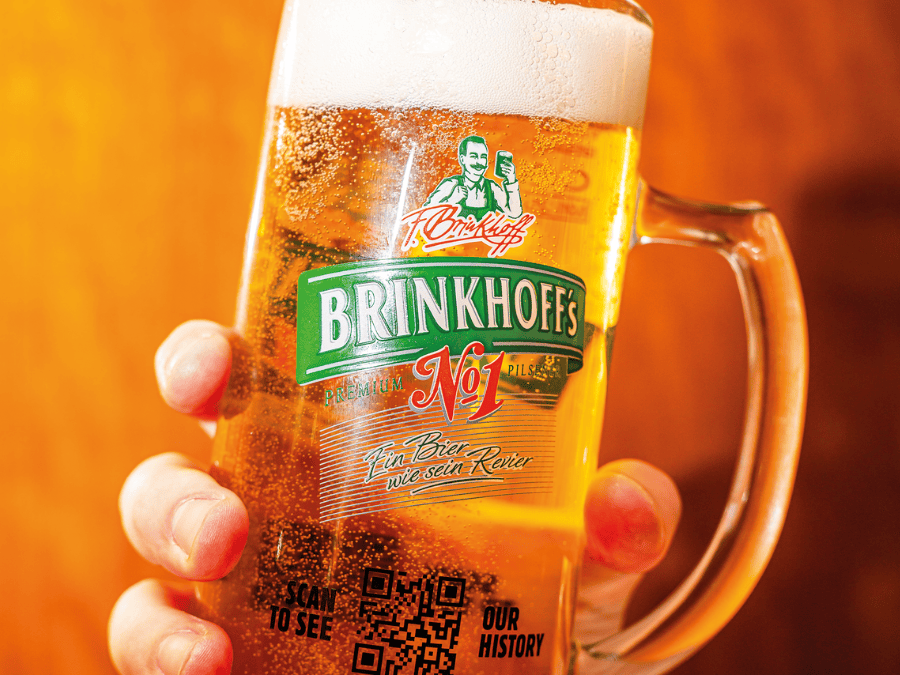
While English wine might be one strategic pillar, beer remains another major growth area for LWC. This summer’s launch into the UK on-premise of Brinkhoff’s No.1 (above) – a German lager with strong regional heritage and links to football club Borussia Dortmund – is a prime example. Available exclusively through LWC’s Signature Brands portfolio, the launch has been backed by POS kits and event activation ideas tailored to world beer-driven footfall.
LWC beer & cider category manager Lee Williams describes Brinkhoff’s as “a beer with real heritage and cultural resonance – not just in Germany, but here in the UK too”. The decision to offer it in three formats – a 5% ABV lager, a 2% radler and a 0% alcohol-free – was designed to give operators flexibility to serve multiple consumer segments from one brand family.
In the short term, Mukadam expects steady growth for LWC in mid-market and sustainable wines, sparkling formats and products that help operators drive margin without alienating value-conscious consumers. He’s cautiously optimistic that the recent EU-UK trade reset may ease the import of European wines and spirits, but insists that portfolio development and UK partnerships will remain a priority regardless.
Longer term, Mukadam sees the company’s role as extending beyond supplying products to actively shaping how those products are sold, served and understood. “The relationship between our account managers and customers is the most important thing we offer,” he says. “When we can support their knowledge, it helps drive better outcomes for their teams and their business.”
From the outside, LWC’s growth story might look like the result of scale and logistics muscle. But the internal narrative is different: one of listening closely to customer needs, responding with tailored solutions during challenging times, and continually adapting to market changes.