

Beverage brand owners should use the challenges to their environmental footprint as a chance to consider packaging alternatives, according to a recent report.
In research published this month, Rabobank linked the rising costs of raw materials and supply chain issues with companies’ needs to improve their eco credit score. The three “provide the perfect opportunity to rethink packaging solutions across the beverage industry,” the financial services provider said.
Of the options available, which include using different materials for packaging and choosing cheaper alternatives, Rabobank highlighted “lightweighting”. Reducing the weight of the bottle, however, risks challenging consumers’ perceptions, particularly for wine and spirits brand owners.
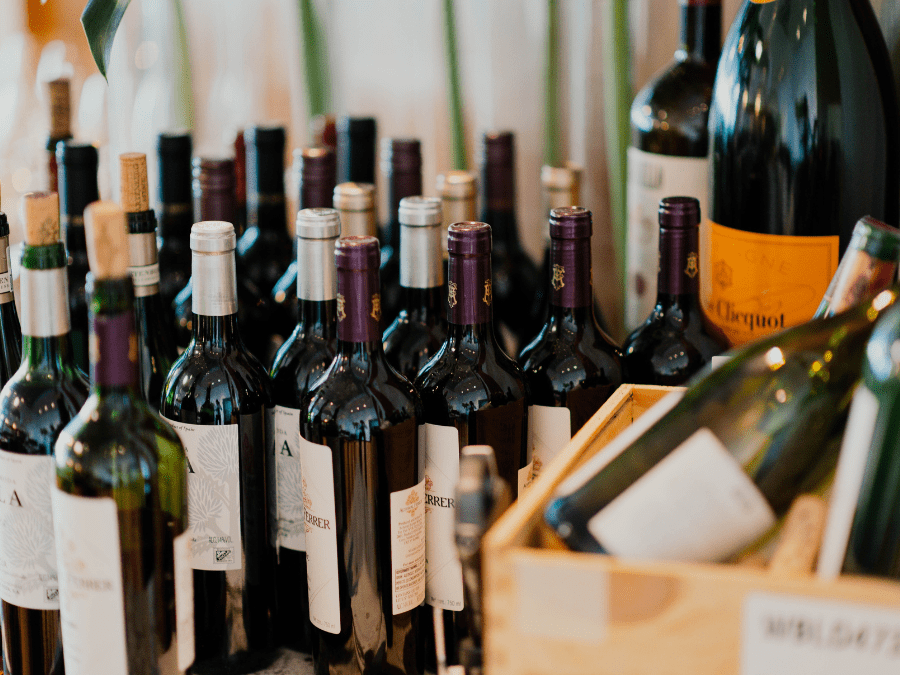
“Wine and spirits tend to feature heavier glass bottles, which are linked to a more premium image and feel,” the report noted. “Preserving that premium feel while lightweighting remains a core challenge.”
For wine brand owners, Rabobank suggested a reconsideration of the established bag-in-box format.
“The 750ml glass bottle remains the traditional packaging format for wine,” the report stated. “A move to bag-in-box (BIB) wine is starting to happen at the margins, but the potential for significant cost and emissions savings should have companies looking more closely at this option.”
Report author Jim Watson added: “The industry has a lot of work to do to make buying BIB wine more acceptable for mainstream and premium consumers. One clear way to reset the category image is to use the halo effect created by higher-end brands selling bag-in-box.”
Any subsequent reduction in greenhouse gas emissions from a packaging change would also play well with consumers, Rabobank concluded.