

- Sales in 12 months of 2025 across all alcohol operations decline by 1.4% to JPY1,040.8bn (US$6.8bn)
- Second half of full year appears to have accelerated: H1 top line was 2.4% down on same period of 2024
Suntory Holdings has posted a 1.4% drop in sales from its combined alcohol businesses – which include Suntory Global Spirits – in 2025.
The privately owned Japanese company said today (13 February) that sales from the 12 months of last year fell to JPY1,040.8bn (US$6.8bn). In 2024, Suntory’s total alcohol sales rose by 1% to JPY1,055.7bn.
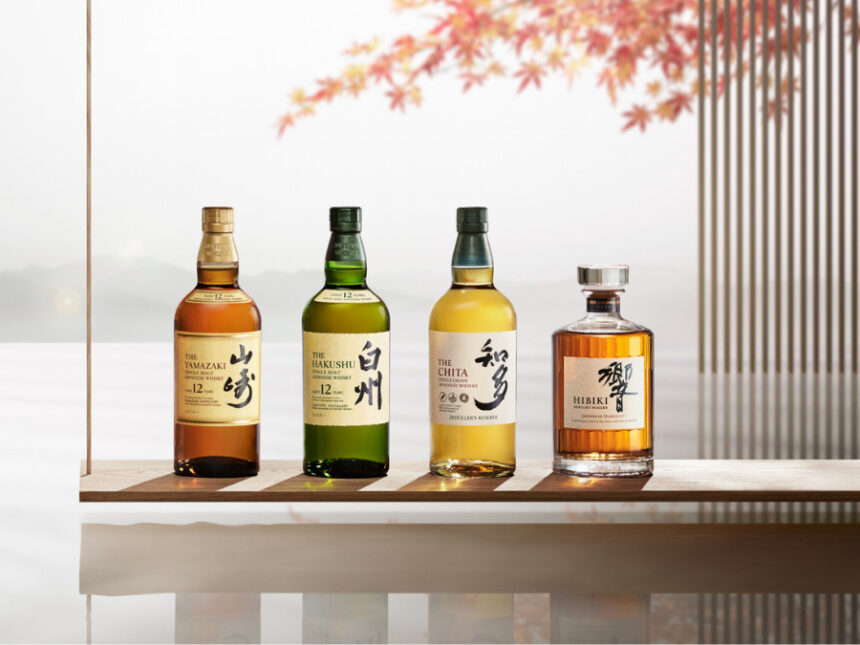
The Suntory Global Spirits owner noted “strong growth” from its Japanese whisky and gin portfolios, as well as from RTDs. For bourbon, Suntory said its brands – which include Jim Beam and Maker’s Mark – “outperformed” amid “significant headwinds” in the category. Beer and wine sales, meanwhile, increased by 2% year-on-year.
While sales increased in the group’s “key markets” of China, India and Japan, as well as in the global travel retail channel, Suntory said the overall performance was affected by “a challenging external environment” and specified “economic uncertainty” in the US and Europe. The Roku gin owner also noted a skew in its sales data from the divestment to Campari Group of Courvoisier in 2024.
Speaking exclusively to Global Drinks Intel, CEO Greg Hughes described the results as a “strong performance in a tough operating context”. “I’m particularly proud of how we navigated the challenges in the trading environment, particularly the macroeconomic and category challenges in the US and Europe,” he said. Hughes said “strong growth” was seen in Japan, India, China, GTR, Brazil and Mexico.
Looking forward, Suntory said its focus would be on “prioritising craftsmanship … strengthening global brand recognition and solidifying its position in the global spirits market”.
The group also said it would “restructure the brand portfolio” for its non-alcoholic drinks, such as Japanese non-alcoholic beer All-Free. The approach will include “renewing” the All-Free brand “by expanding customer touchpoints and revamping communications”.