Global Drinks Intel: Have you found resistance to anything you’ve brought to the table?
Davin Nugent, Anheuser-Busch InBev’s ‘Beyond Beer’ global head of innovation: Not really. I’ve been pleasantly surprised by the culture in ABI. I thought I would get resistance because it’s a beer company, but it’s an opportunity company. Everybody ‘s trying to identify growth opportunities.
That’s not to say beer is in terminal decline – it’s not. It’s just that people’s repertoires have grown. You no longer have Guinness-man or Budweiser-woman, who will only drink the one brand over a particular session – You have the opportunity for different categories to participate in that occasion.
GDI: Do you look at innovation market by market, or worldwide?
DN: It can’t be one by one, because you’re not getting economy of scale. The individual markets have equal responsibility for the creation of brands. We’re there to support them and to ensure there’s a thread going across all. You’re not necessarily going to see a global beyond-beer brand. Even in beer, there are few global brands. If you can get strong, regional players, you can take the insights and trends to apply in other markets.
Hard seltzer was a good leveller from that perspective: some saw seltzer as the next global opportunity, but Europe, for example, struggled. The role is very much to see opportunities at a regional level, finding a common approach and then supporting that to ensure we’re applying the best economies of scale to any innovation.
GDI: Which consumers are you innovating for?
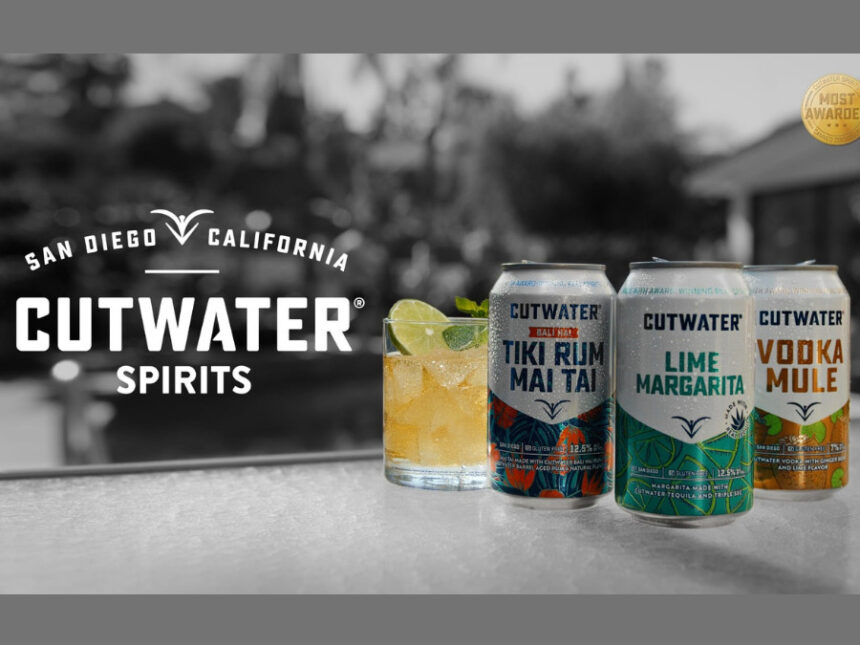
DN: With beyond beer in the US, for example, (spirits-based RTD) Cutwater is going from LDA to 50s-plus. A lot of people are focusing on LDA to 27; the next generation who potentially aren’t drinking as much beer as the older generation. But, I don’t start out with an age profile in mind. I look for a trend that’s not in beer – or not even in beyond beer – that carries a potential impact.
That’s how we started on hard seltzer, when the ‘better for you’ trend was coming through hugely in the US. Lacroix was killing it from a CSD (carbonated soft drink) perspective, so there was an understanding of what was happening in non-alcoholic. We looked to apply that to alcohol.
GDI: Do you have a case study of something that you’re about to bring to market?
DN: We’re not the people who are necessarily running the whole piece, we would leave it to the markets to report what brands are launching.
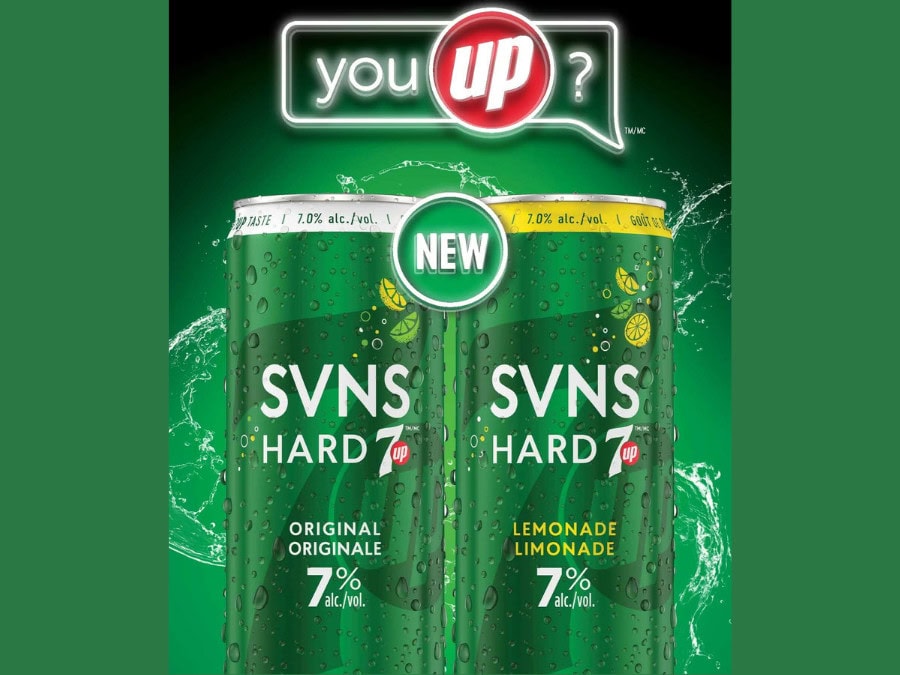
In Canada earlier this year, for example, we launched SVNS Hard 7UP, which I think will be a really good brand for that market. It’s building on a call in the on-premise that’s already there. That’s a great opportunity because it’s moving away from the simplicity of seltzer and there’s something really attractive about that.
GDI: Do you feel a pressure from your previous success with White Claw?
DN: Of course there’s pressure, but this is what I’m here to do. I love listening to what consumers are saying and trying to find a way to generate a brand or a concept off the back of that, or to improve something we have – that’s something I hope you’ll see over the next year.
I’ve always enjoyed the pioneering more than the farming. I’m very lucky to be able to do something that I really enjoy.
GDI: Have you got targets you need to attain?
DN: Always! It’s not about having to have this scale by this date. You have to be able to make mistakes – if you think you’re going to hit a home run from the get-go, then you’re not going to take big enough risks.
You have to learn from your mistakes and lock them in so that the people coming in after you get the benefit.
On the beer side, we have these mega-brands that free up space from a beyond beer perspective. For us, Nütrl and Cutwater are our US mega-brands, while Flying Fish and Brutal Fruit are our African plays, with Brutal Fruit now also being launched in Brazil and the UK. Once they have the focus, it frees us to be able to look at what we bring up behind it. But, it can’t be a scattergun approach; we have to be targeted in what we bring to market.
GDI: Is there a link between your role in innovation and M&A?
DN: M&A is is something that we would be involved in because it’s new news to the business. But, it would be a function of a couple of different people. It’s important to have multiple people keeping an eye out for what’s good.
It’s much more about organic growth, though. We have the ability to be really good at that in terms of what we can bring to the market.
GDI: Which consumer trends are getting you excited?
DN: Health & wellness is baked in now – it’s expected. Spirits has brought in great changes in terms of the number and breadth of beverages and flavours that are coming through. We’re also seeing growth in higher-ABV in single-serve as C-stores become more important, not only in a US context, but globally.
We want to ensure we bring the consumer with us. We can’t have the same case as hard seltzer, where the consumer switched off when they had 200 seltzers in front of them. We need to ensure we have a point of difference and a stickiness that the consumer can understand and connect with, which grows a brand over the years to come. Nor can you throw a brand everywhere and hope for the best.
GDI: Any final thoughts?
DN: We’re just getting going. We’re finding our groove in North America while in Africa, it’s about maintaining our momentum. We haven’t even touched on South America, where our Beats brand is going from strength to strength in Brazil.
We have some strong areas within beyond beer and I expect us to gain some real momentum over the next couple of years.
This article is available to Global Drinks Intel members only.
Click below for details on how to join the Global Drinks Intel community.
Already a member?
Log in here to read the article in full.
If you work for any of the following corporate subscribers to Global Drinks Intel, head here to activate your access.
- AB InBev
- Bacardi
- Campari Group
- Diageo
- Moët Hennessy
- Pernod Ricard
- Proximo Spirits
- Suntory Global Spirits
- William Grant & Sons