This seemingly-entrenched position is a problem – both for marketers and society. But it’s also an opportunity.
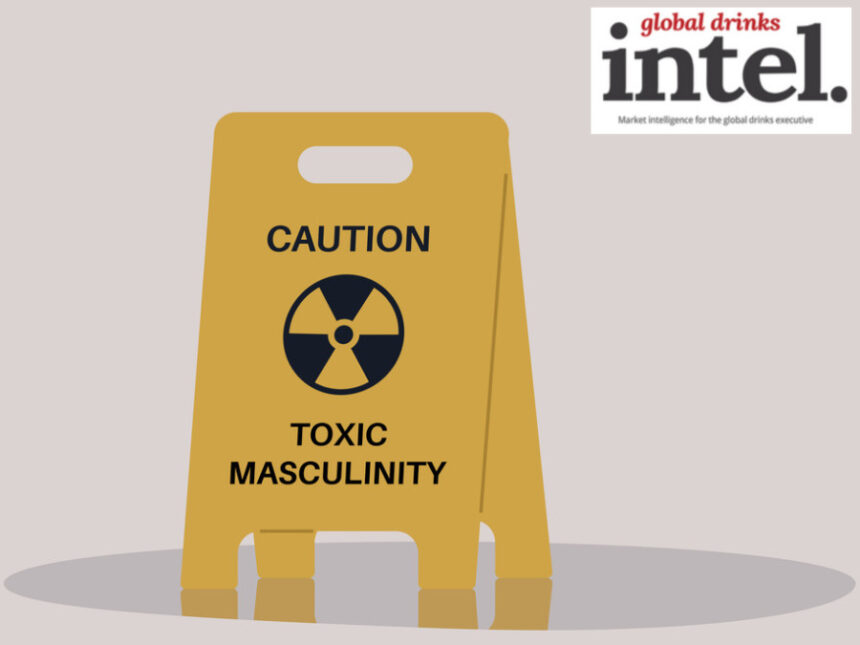
Too many adverts for alcohol brands portray “old-fashioned, toxic” views of masculinity, according to a recent UK study by men’s marketing specialists New Macho, and alcohol brands should rethink how they market to men.
While almost half of the 2,000 men surveyed by New Macho (48%) said they feel the advertising around Diageo’s Johnnie Walker blended scotch doesn’t reflect them at all, 54% said the same about Gordon’s gin.
“Many old-fashioned, dated and perhaps toxic views of masculinity are still prevalent among British males, thanks in part to the stereotypes seen in advertising,” noted the report.
Connected to the thorny issue of outdated portrayals of men is the old-fashioned assumption that marketing around beer, spirits and, especially, red wine should be male-skewed because more men than women consume these categories – a problem that is often overlooked.
Published earlier this year by women’s beer collective Dea Latis, Gender Pint Gap: Revisited exposed the extent to which beer marketers overlook women as a primary audience for their advertising. Although the marketing of beer has moved away from sexism and overt masculinity, it still “doesn’t resonate” with women – many remain ambivalent towards the category and have no recall of current beer brand adverts, according to Dea Latis co-founder Annabel Smith.
The category remains a “traditionally male preserve in Britain”, she adds, with advertising remaining a “key barrier”.
Most of beer’s marketing may be aimed at men, but does its target audience see themselves accurately represented in the advertising they see? Sadly, all too often, the answer is no. There’s a powerful argument, then, for having more positive representation in drinks marketing – not just of women but men too.
This brings us to an often-underappreciated problem: the vacuum created when, despite being intended for male consumers, beverage marketing fails to realistically represent them.
At a time of anxious handwringing about a crisis in masculinity – as evidenced by men’s declining education rates, rising rates of male deaths from drugs and suicide, and the rise of the ‘manosphere’ espoused by influencers such as self-described misogynist Andrew Tate – this is an issue no marketers can afford to ignore. In all sectors, not just drinks, representing modern masculinity is a challenge brand owners are confronting.
Consider how not so long ago, Unilever’s Lynx/Axe male grooming brand was associated by many with lad culture, getting a ‘hot babe’ and – inevitably – sex. Then, it launched its ‘Find Your Magic’ campaign, encouraging young men to embrace their differences and highlighting issues around male mental health.
Consider also the nuanced repositioning of what success means and how it shapes perceptions of masculinity so sensitively presented in the Australian suicide awareness campaign ‘Boys Do Cry’, which challenges societal views that men should always put on a brave front.
In beverage alcohol, Heineken challenged the stereotypes associated with certain alcoholic beverages — notably, beer for the men, cocktails and wine for the ladies — in its ‘Cheers To All’ activation in 2020. Meanwhile, Tiger Beer’s now decade-long call for consumers to ‘uncage’ their ‘inner tiger’ and pursue bold ambitions, challenges gender stereotypes and presents a more modern and progressive take on masculinity. However, for now at least, these are exceptions in the alcohol industry.
Redefining masculinity in marketing isn’t easy. Gillette’s efforts in 2019 to engage with the #MeToo movement to promote a new kind of positive masculinity with its ‘The Best Men Can Be’ campaign attracted criticism, as well as praise. But just because it’s hard doesn’t mean we shouldn’t try – not just for society’s sake, but also for our bottom line.
The opportunity for drinks brand owners that lies in improving the portrayal of men and masculinity in their marketing is significant. “Inclusion does indeed equal income” is one of the preliminary findings from new research into whether progressive advertising with diverse representation leads to increased sales, to be launched by the industry-led Unstereotype Alliance initiative (convened by UN Women) in September.
To prove that diverse advertising is doing more than simply providing social good, the study looked at advertising and sales data for 392 brands across 58 countries, from 2020 to 2023. Initial findings show short- and long-term sales were positively affected when brands engaged in diverse advertising – short-term sales were improved by 3.5%, while long-term sales saw an uplift of 16.3%. Brands that engaged in progressive advertising reaped the benefits of higher customer loyalty – defined as ‘intent to repurchase’ – which was 1.29 times higher than the score for brands that didn’t.
Referencing data collected from the past 75 years of ads, the alliance observed that “the portrayal of men in advertising and content is largely monolithic, particularly in how indicators of success are represented”.
Progressive and diverse advertising is a chance to speak to men and boys directly, while moving away from “prescriptive and entrenched ideas of masculinity”, it concluded. It’s an approach that will appeal to women and girls too.
This article is available to Global Drinks Intel members only.
Click below for details on how to join the Global Drinks Intel community.
Already a member?
Log in here to read the article in full.
If you work for any of the following corporate subscribers to Global Drinks Intel, head here to activate your access.
- AB InBev
- Bacardi
- Campari Group
- Diageo
- Moët Hennessy
- Pernod Ricard
- Proximo Spirits
- Suntory Global Spirits
- William Grant & Sons