

This article was initially published in the November issue of Global Drinks Intel magazine. For details on how to subscribe, click here.
Japanese sake is having something of a moment in export markets right now. According to figures from trade body the Japanese Sake & Shochu Makers Association, between 2012 and 2022, export volumes more than doubled, moving up from about 14m litres per year to nearly 36m litres. Lead markets include the US – where imports of Japanese sake have also doubled to more than 9m litres over the same timescale – China and Hong Kong.
The domestic picture is less buoyant. National Tax Agency numbers show that consumption in Japan peaked at about 190m cases in 1973; over the past 50 years, that figure has plummeted to 44m cases in 2022. However, observes Sake Experience Japan CEO Takeshi Itani, most of those losses were in entry-level sake, known as Futsu-shu; the market share enjoyed by premium sake – Tokutei Meishō-shu – has been increasing, reaching 36% last year.
Success down to both state and private promotional activities
Part of sake’s export success is being driven by a determined government effort. In March 2020, the Abe Cabinet proclaimed ambitious export targets for agricultural and food products, including alcohol: JPY2tn (US$13.3bn) by 2025, and JPY5tn by 2030. A spokesperson for the Government of Japan (National Tax Agency Japan) explains: “With about 1,000 sake breweries in Japan, each producing sake with unique flavours and influenced by regional variations in climate, environment, water, production methods and ingredients, we highlight the rich regional diversity, history and culture in our sake promotion efforts.”
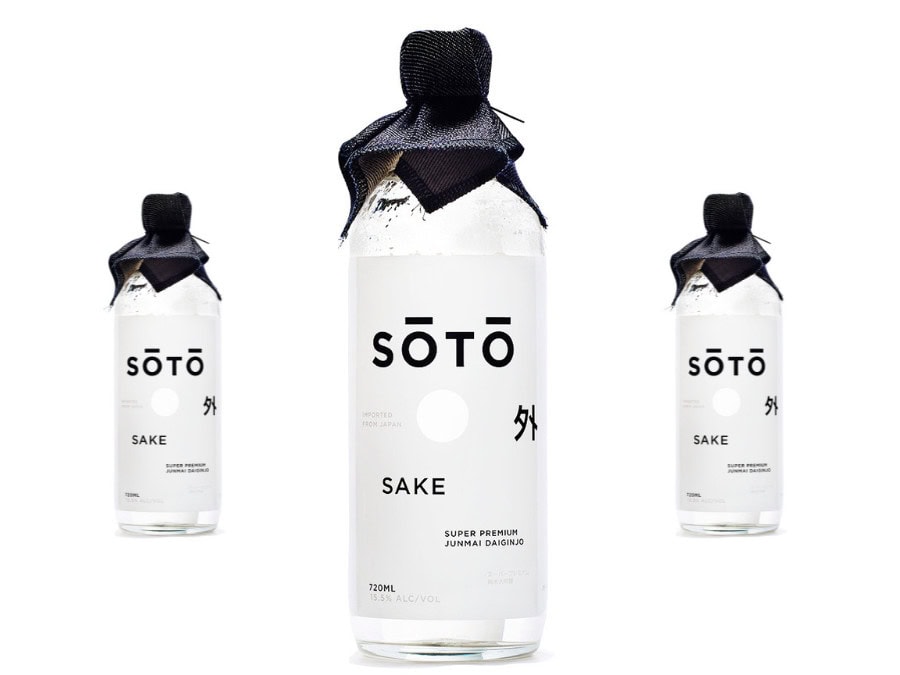
These efforts are mirrored in the private sector, which is increasingly bullish about the international prospects for sake. “Japanese sake exports have grown exponentially in the past decade – a clear sign that this momentum is definitely not a fad,” say Sōtō Sake co-founders Billy Melnyk and Dan Rubinoff.
“We’re seeing persistent growth in the US [Sōtō’s focus], the UK, South Korea, France and Hong Kong … It’s important to remember that, until recently, the availability of premium sakes in the Western markets was somewhat limited. Labels were primarily in Japanese, and they were only available in Japanese restaurants.
“Now, sake is being presented to a whole new group of consumers via efforts around education, marketing and promotion.”
Versatility sees sake paired with non-Japanese cuisines
One of the key attributes of sake, according to Fergus Fung, CEO of Daimon International, is its versatility; he describes it as “one of the few alcoholic beverages that can be enjoyed ice-cold, slightly chilled like a nice chardonnay, at room temperature, warmed, or even hot on a cold winter night”.
An association with Japanese food has also been helpful, but sake is now finding a place alongside a broader range of cuisines. “In some Michelin-starred restaurants, sake is served as one of the drinks in a wine-pairing course with French cuisine,” says Fung.
Daimon has been working in this area with high-profile chefs, such as the UK’s Simon Rogan and France’s David Toutain. At the other end of the scale, the company’s Sake Sling RTD hopes to draw new, non-sake-savvy consumers into the category.
Education is key: Europeans often think sake is a spirit
There are still barriers to overcome. Itani bemoans the common European misconception that sake is a spirit, and says this needs to be counteracted through education alongside tastings and promotions in off-premise outlets and airports, as well as with masterclasses for sommeliers.
“Once consumers try sake, most of them tend to develop an appreciation for it,” he says.
This process, Itani adds, is easier in Asian countries, where consumers are more likely to be able to read sake labels and recognise the products, as well as travelling to Japan to sample sake in its home country. “Asian countries will show continuous growth for the next decades, so we should focus on this area,” he says.
But sake has a bright future in the West too. Melnyk and Rubinoff mention health & wellness as a beneficial trend – Sōtō Sake is made from only water, rice, koji and yeast, with no additives, gluten, preservatives or added sugar – along with the sharp increase in international tourism to Japan.
“The stars are aligning,” they say. “The collision of all these elements makes it the ideal time for sake to be in the spotlight.”
This article was initially published in the November issue of Global Drinks Intel magazine. For details on how to subscribe, click here.