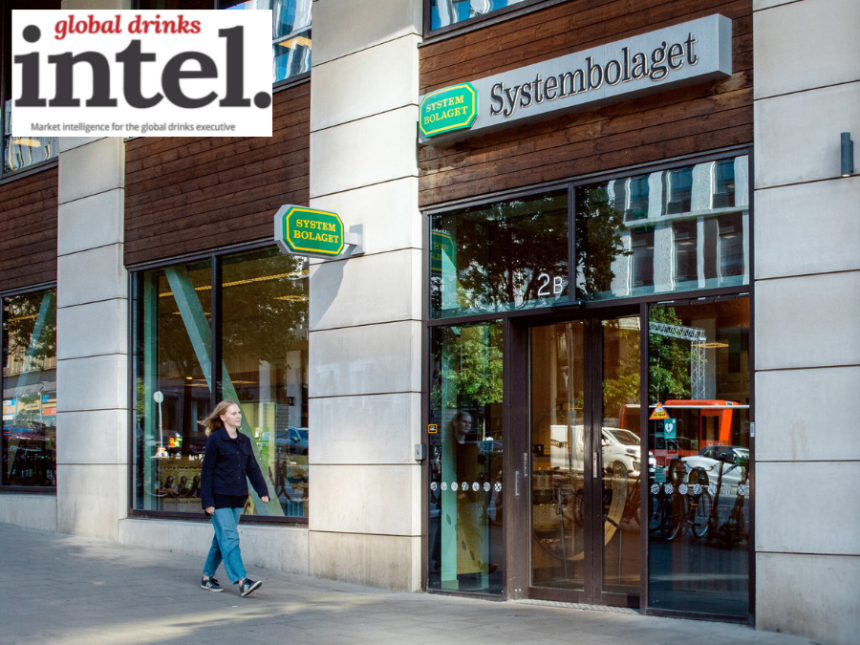
- Sweden’s limited alcohol reform will allow small producers to sell directly, but strict purchase caps – and a six-year review period – should prevent major disruption to Systembolaget’s monopoly
- Despite calls for further liberalisation, 68% of Swedes support Systembolaget’s monopoly, and it remains the country’s most trusted brand, ahead of household names like Ikea and Gekås Ullared
- Shifting consumer trends favour beer, mixed drinks and non-alcoholic products, while wine and spirits decline, contributing to Systembolaget’s 19.1% drop in profits in 2024
Systembolaget has long dominated Sweden’s alcohol market, making the company one of Europe’s biggest beverage retailers. But, as new reforms are poised to take effect, is the state-owned giant’s monopoly beginning to crumble?
For 70 years, Sweden’s state-owned alcohol retailer Systembolaget has held a firm grip on the Scandinavian country’s alcohol sales, aiming not only to regulate the market, but also to minimise the harmful effects of drinking.
Unlike most of the European Union (EU), Sweden – along with its Nordic neighbours Finland and Norway – has long maintained a strict monopoly on off-premise sales of alcohol above 3.5% ABV.
‘Farm sales’ – A historic shift
From 1 June, however, that grip will loosen a little. A long-debated reform will allow so-called ‘farm sales’, permitting small-scale breweries, distilleries and vineyards to sell directly to visiting customers.
Swedish Prime Minister Ulf Kristersson has hailed the move as a “freedom reform”, saying it would make Sweden “a little more like the rest of Europe”.
Nonetheless, the change, though limited and under review for six years, is historic. About 600 small-scale producers stand to benefit, according to local reports, with strict production caps and purchase limits in place to maintain control. Spirits sales, for example, will be restricted to just 70cl per customer, while wine, beer and other alcoholic drinks are limited to three litres each.
While Systembolaget’s monopoly will remain largely intact, the looming reform marks a symbolic shift in Sweden’s traditionally cautious approach to alcohol – a sign that the country may be inching toward a more open market. It would not be correct, however, to conclude there is a groundswell of Swedish public opinion agitating for the company’s monopoly to be broken up.
Persistent public support
According to Systembolaget’s annual report last year, 68% of Swedes support the current monopoly system, up from 66.5% the previous year. Moreover, in October, independent research firm Evimetrix announced that Systembolaget was Sweden’s “most trusted brand”, topping the rankings in its annual consumer survey based on interviews with 4,500 randomly selected individuals.
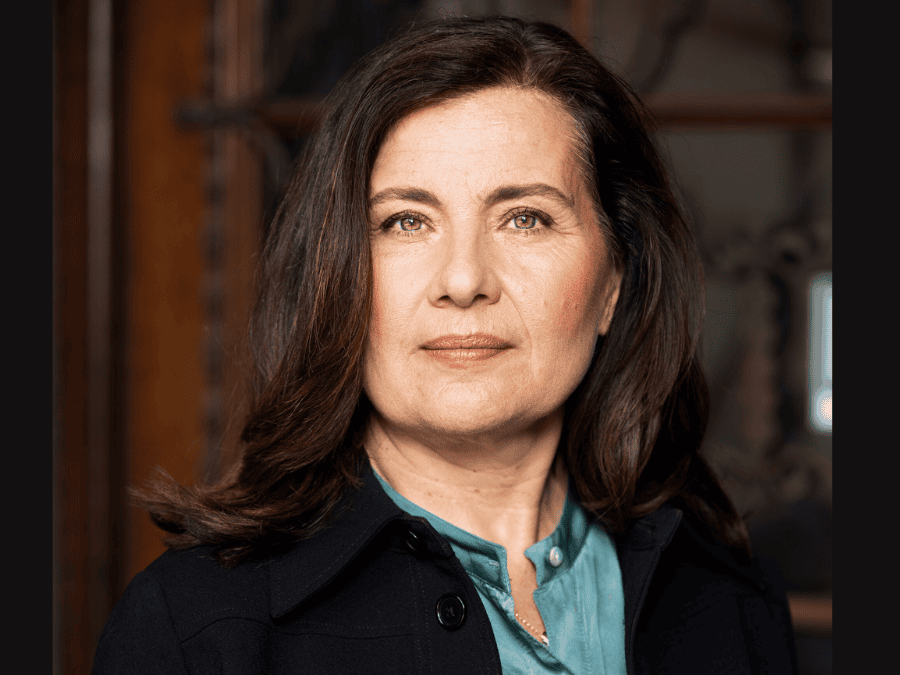
In the annual poll, Systembolaget bested the likes of Swedish homeware chain Ikea and discount retailer Gekås Ullared, improving significantly on its fifth-ranked position in the 2023 survey. Systembolaget CEO Ann Carlsson Meyer (below) declared the award was proof of the “dedicated work” the company’s employees do every day, “where creativity and drive” have been crucial to its success.
Legacy of controlled alcohol sales
Systembolaget was created in 1955 when the country’s regional alcohol monopolies were merged and a long period of alcohol rationing was abolished.
Reflecting long-standing government fears about the public harms of alcohol consumption, customers were originally required to ask staff to fetch their intended products, the rationale being that face-to-face interaction would discourage large purchases. Self-service was only gradually introduced from 1991 onwards.
When the country joined the EU in 1995, Sweden (like Finland) was allowed to maintain its monopoly system, provided it did not discriminate between different producers.
However, imports cannot be restricted under EU law, which meant that direct-to-consumer sales offered consumers a new way to avoid the monopoly system in addition to duty-free sales onboard ferries and at airports, which have long been popular across high-tax Scandinavia.
Moving with the times
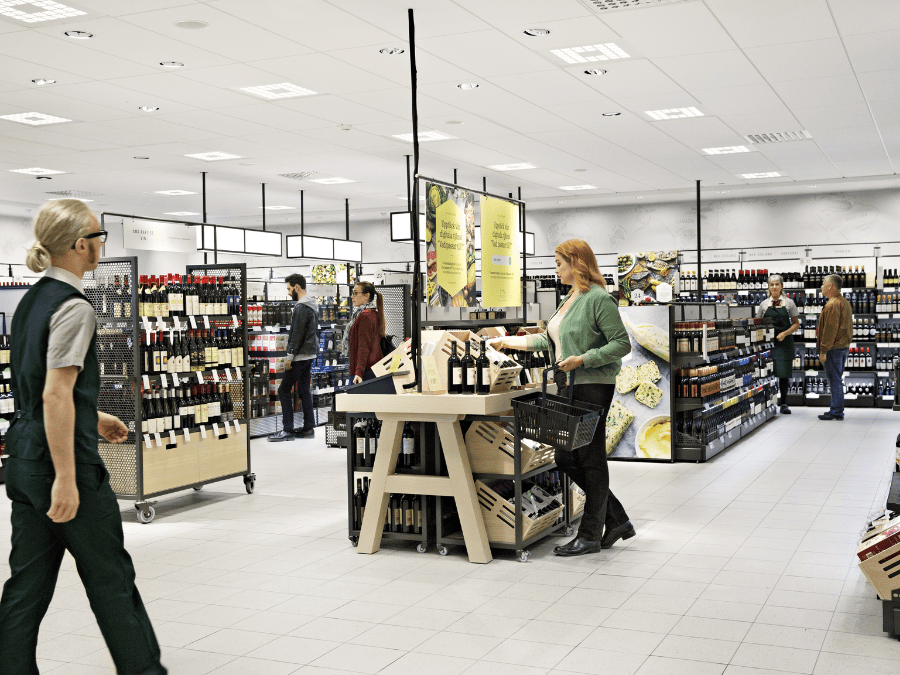
Today, the not-for-profit retailer presents a more welcoming face to consumers, with 452 stores across all of Sweden’s 290 municipalities, along with 461 agents for order pick-ups and an online home delivery service covering 96% of the population.
Nonetheless, Systembolaget retains health and responsible alcohol consumption as its core strategic focus areas. Last year, ID age checks at the retailer’s stores reached 97.8%, up from 97.4% in 2023, while in-store health messaging initiatives were also trialled.
Sustainability is another prime focus area, with the retailer pledging to halve its carbon emissions by 2030 by focusing its entire value chain, from production to packaging and transport. Last year, the firm began collecting data from suppliers on the carbon footprint of individual products, as well as collaborating with other Nordic alcohol monopolies to develop a common methodology for climate calculations.
In March, these efforts were recognised when Systembolaget was announced as the most sustainable brand in Sweden in the annual ‘Sustainable Brand Index’ survey, based on interviews with 25,000 respondents. “Systembolaget has continued to communicate sustainability persistently, even when other companies have toned down their message,” said Erik Elvingsson Hedén, founder of the Sustainable Brand Index, announcing this year’s winners.
“In troubled times, Swedes value reliability and transparency, and Systembolaget has managed to maintain and strengthen consumer trust.”
Digital expansion
Last year, Systembolaget stepped up its efforts to enhance the digital customer experience, ensuring that 128 out of its 459 stores now offer their full range of products online. The retailer is also integrating digital tools into the physical shopping environment to meet changing consumer expectations.
Systembolaget’s financial performance in 2024 saw sales grow 3.2% to SEK39.41bn (US$3.94bn), driven by higher alcohol taxes and increased volumes. Yet the retailer’s profits fell 19.1% to SEK338m, a slump attributed to inflation-driven costs and a shift in the sales mix away from spirits and wine towards beer, mixed drinks and non-alcoholic products.
In its full-year results announcement, the company said it had met all its financial targets for the year and that productivity in its stores and depots had been “high and stable”.
Beer grows, spirits and wine fall
Beer was a relatively strong performer for Systembolaget last year, with sales growing 2.7%, driven both by imported varieties (+1%) and especially Swedish (+3%) lines. In contrast, and reflecting wider international trends, the wine category had a tougher time, dropping 1.1%, with fortified wine plummeting an even steeper 6.4%. Spirits also struggled (-1.1%).
In contrast, mixed drinks (blanddrycker) surged 9.3% for the retailer last year, reflecting a continuation of increasing consumer interest in premixed cocktails, flavoured alcoholic beverages and RTDs. The category was beaten only by non-alcoholic products, which emerged as Systembolaget’s star performer for 2024, growing 10.4%.
Taking a closer look at Systembolaget’s wine business, Italy remained the most popular country of origin, with volume sales of 53.2m litres despite a 3.7% decline. French wine gained ground, increasing 3.1% to around 33.2m litres, strengthening its No.2 position. The standout surprise, however, was Moldovan wine, which surged 278.8%, albeit from a low base.
Red wine remains dominant, with about 91.4m litres purchased in 2024, though down 3.4% year on year. Italian red still leads the way with over a 40% market share, but sales fell by 3.2%. In contrast, French red grew an impressive 4.7%. White wine saw a modest 1% volume increase, with the biggest gains recorded by Chile (+11.4%) and Portugal (+11.2%).
Safe future (for now)
While many private retailers, both foreign and domestic, would undoubtedly like to see Systembolaget’s monopoly dismantled for good, its core messaging on responsible alcohol consumption continues to resonate with the Swedish public.
In the short term, the introduction of farm sales is unlikely to threaten the monopoly’s survival . Instead, Systembolaget remains a trusted institution, adapting to modern retail expectations while upholding its public health mission.