

Global Drinks Intel columnist Tim Young looks at the particular importance of the on-premise for brand building in Africa.
The on-premise in emerging markets is an important place for drinks brands to build awareness and sales – this is particularly the case across the continent of Africa. Unlike in many developed regions where the off-premise is sophisticated and drinking occasions at home have become common, the on-premise in Africa represents a significant share of total premium spirits and wine sales – in some countries this is estimated at well over 50% of total sales.
So why is the on-premise in Africa so important and what role does it play for premium beverage brands?
Step into any busy bar or club in Nairobi, Lagos or Accra and you will soon see why. These places are where the growing numbers of middle-class African consumers hang out with friends to have fun, be seen and show off a little through the brands they drink. Having a bottle of a premium spirit or Champagne on your table is one way of doing this (and a great form of advertising for the brand too). To make it to the list of brands consumers order by the bottle and have on display for all to see, brands need to be aspirational, premium and relevant. To get an idea about which brands are currently hot, you need only to take a look at which bottles are on the tables of any popular bar in an African city.

Promotional activity and advertising in the bar may help consumers decide which brand to choose, or they might simply select their purchases after seeing what other people are ordering. Theatre plays a role – seeing a bottle of Champagne delivered to a table with sparklers or a malt whisky in a premium illuminated bottle display may well influence a consumer’s choice. Bottle serve rituals or devices, although perhaps not as common in developed markets, play an important role in markets where consumers want others to see what they are drinking.
Consumers in many African markets entertain less at home, preferring to meet up with their friends in a bar. Consumption of premium drinks is often linked to food. For example, bars in East Africa selling nyama choma – a popular barbecued meat – attract consumers who want to enjoy their barbecue with a premium beverage. There are other reasons too that may not be apparent to consumers living in more developed markets. I remember a group of consumers at a bar in Tanzania telling me they were there to watch the football on the bar’s television because the bar had a generator. Watching the game at home wasn’t an option due to inevitable power outages.
There are a vast number of traditional on-premise outlets across Africa and other emerging markets, for example, South Africa’s famous shebeens (local taverns and bars). These outlets are typically dominated by beer and value spirits sales. Demand for standard and premium spirits may be low in them, but it is wrong to assume this. Taking a deeper look into how the traditional on-premise is structured, the consumer profiles in different outlets and consumer behaviour may well reveal unexpected opportunities for premium beverage brands, such as for smaller bottle sizes or more locally relevant favours.
A few years ago, high-end bars in the South African cities of Johannesburg and Cape Town were the only ones in Africa on the lists of best bars of the world. It’s exciting to see bars in places such as Luanda (Angola), Lagos (Nigeria), Zanzibar (Tanzania) and Nairobi (Kenya) now making this list. Look around a high-end bar in one of these cities and you could be forgiven for thinking you were in a bar in London.
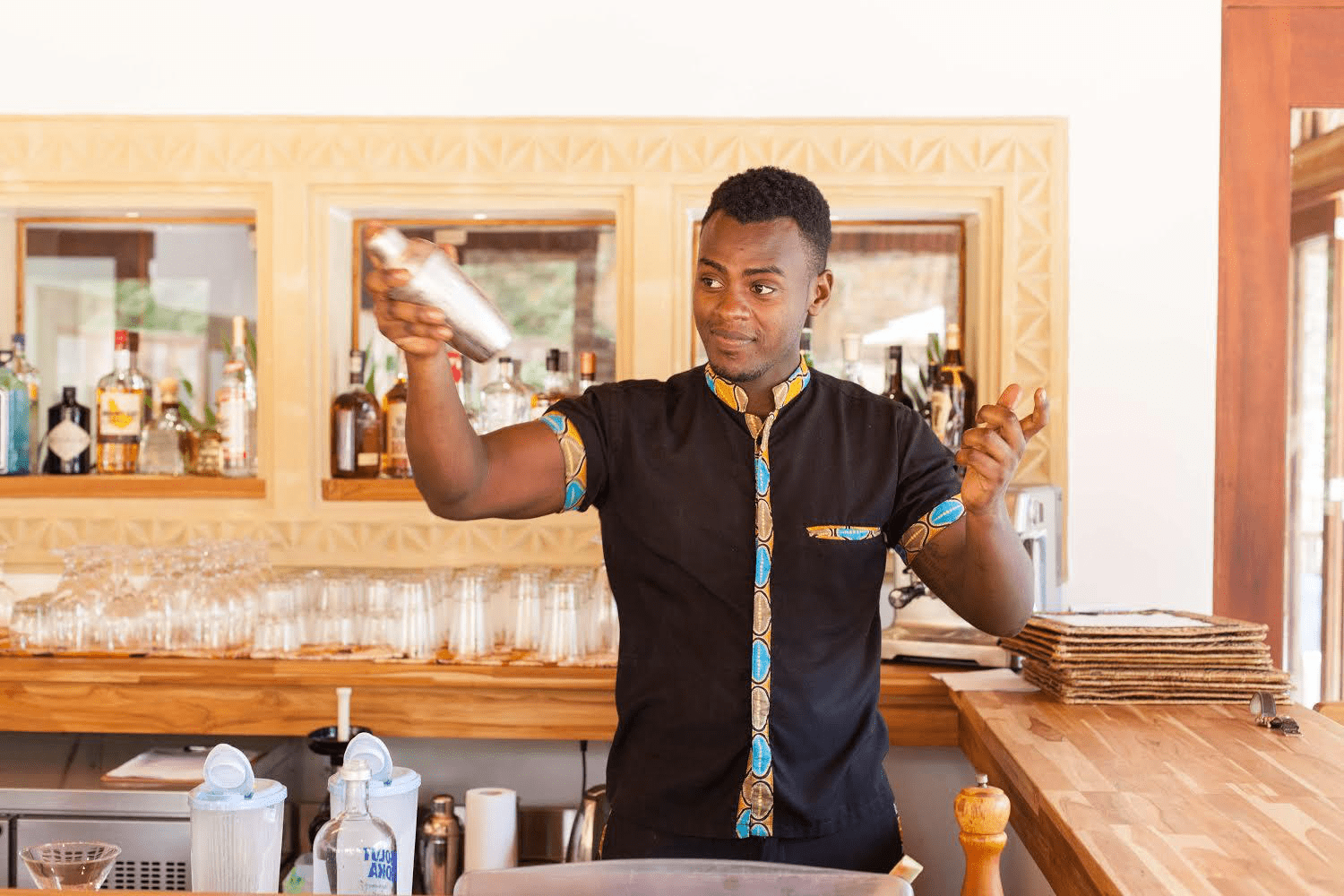
Top-end bars in Africa may be limited in number but that number is growing, and they are of an increasingly high standard. For premium drinks brands, they may well be the most premium places in a city to create image and awareness. However, in most cities there aren’t many of them. This makes them easy to find, but this also means competition to be seen and activity in them is high. The cocktail scene is an emerging one, with the exception of South Africa, and limited to the very top end of the on-premise. Bartenders, however, are hungry to learn new skills and knowledge whether it is about brands, how to make cocktails or trends in other markets. Brands that support them with training will be the ones they remember, support and recommend to their customers.
Like Africa itself, the on-premise in Africa is emerging. No doubt it will continue to be an important place for premium beverage consumption and the top end will continue to grow and increase in sophistication. Brands that understand how the on-premise is structured in each market and treat it as a brand-building, as well as brand-selling, channel will be the ones who are most successful in the future.
Global travel-retail veteran and emerging markets spirits business specialist Tim Young heads a beverage consultancy in London called Young Spirit Consulting. Contact him at: [email protected]