

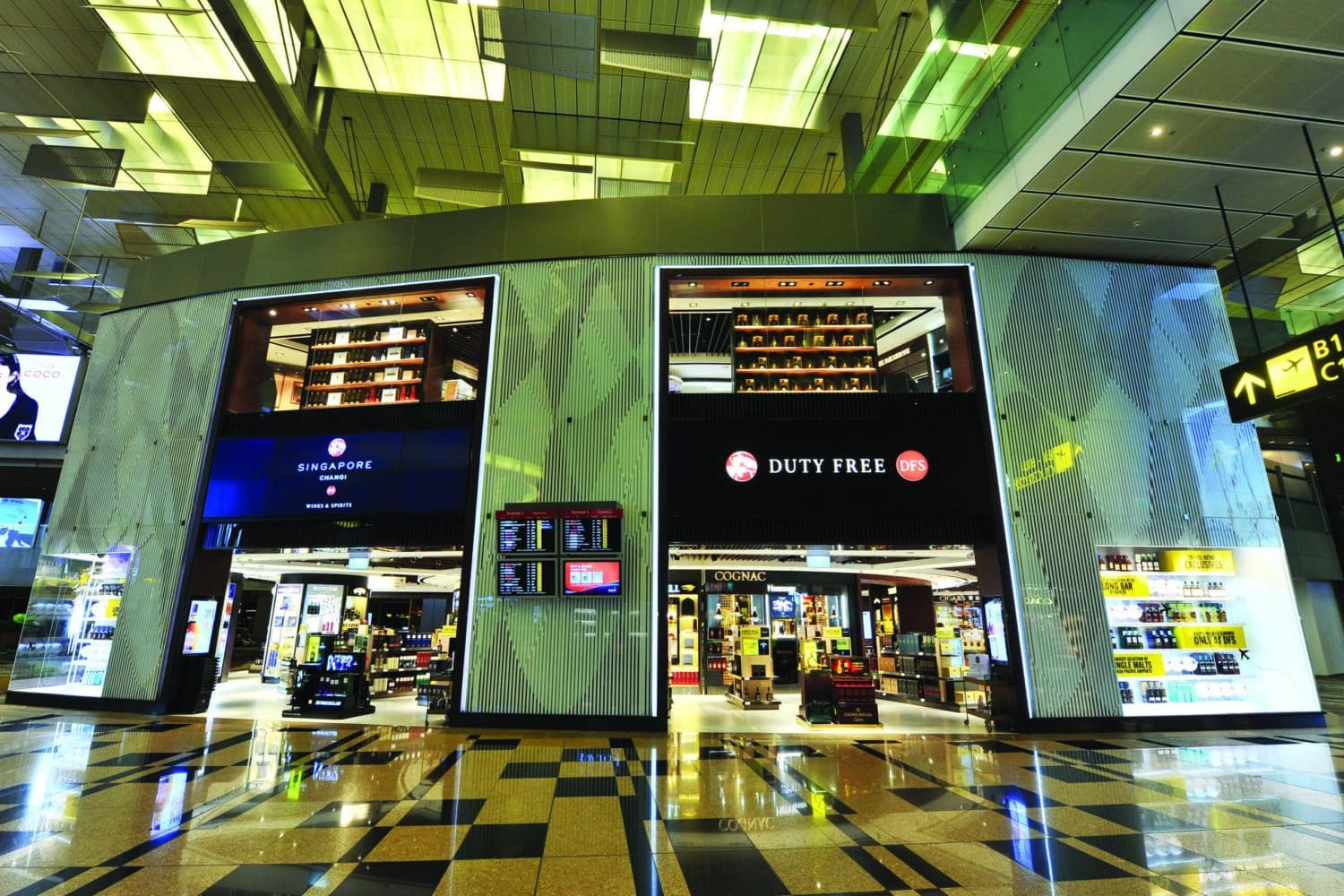
Duty-free retailers have complained about onerous terminal concessions contracts for decades. In 2019, after a 38-year stint, DFS did not bid for the wine and spirits business in blue-chip Singapore Changi Airport because
“it was not financially viable”.
The move was welcomed by liquor suppliers who have long complained that the cost of overbidding ultimately gets passed down to them. Yet airport landlords appear to have done little to substantially change their model —and the fixed minimum annual guarantee (MAG) in particular.
Then along came Covid-19. In the past year, many airports offered rebates to support tenants, and in a session at April’s virtual Summit of the Americas, there was some agreement that now was the time for a fundamental change.
Eric Trichot, MD of specialist travel-retail consultancy PT&M, said: “During a crisis —whether an economic one or a pandemic— the fixed parameters of a contract become a problem. They are acceptable when
conditions are stable but are deal-breakers in an uncertain environment.”
Trichot believes that MAGs and space rents should be linked to traffic, particularly now, and that new contracts need to be extended from a standard five years to seven to allow for a 24-month recovery period.
Canada’s Vantage Airport Group chief commercial officer Sammy Patel
commented: “The model is probably going to have to change in the short and long term, but we should bear in mind that we go into these contracts taking some level of risk.”
At International Shoppes, a key retailer at New York’s JFK Airport, director Matthew Greenbaum added: “I’ve been impressed with the flexibility of our landlords in this crisis. The solution (going forward) is where flexibility is written into the agreements.”
Greenbaum also noted that not all traffic is equal. “I’m happy to see domestic traffic increasing as much as it is, but I’ve been trying to tell my landlord that for a duty-free operator it doesn’t mean anything. I’m still in
the same place I was in April last year.”