There’s an old saying you’ve probably heard: it takes a village to raise a child. If you spend enough time around challenger brands, you’d be forgiven for starting to think the same might be true of building one.
From the outside, the story of a start-up can look deceptively simple. A founder spots a gap, creates a product, gets a listing and, suddenly, they’re posting impressive sales numbers on LinkedIn.
Lift the lid, though, and the reality can look very different.
A challenger might have one founder and a tiny team, but behind them can be hundreds more: other founders, advisors, buyers, distributors and investors, as well as people sharing suppliers, making introductions or saying, ‘I’ve been through this before. Here’s what I learned’.
So how do smaller businesses find opportunities that much bigger companies miss?
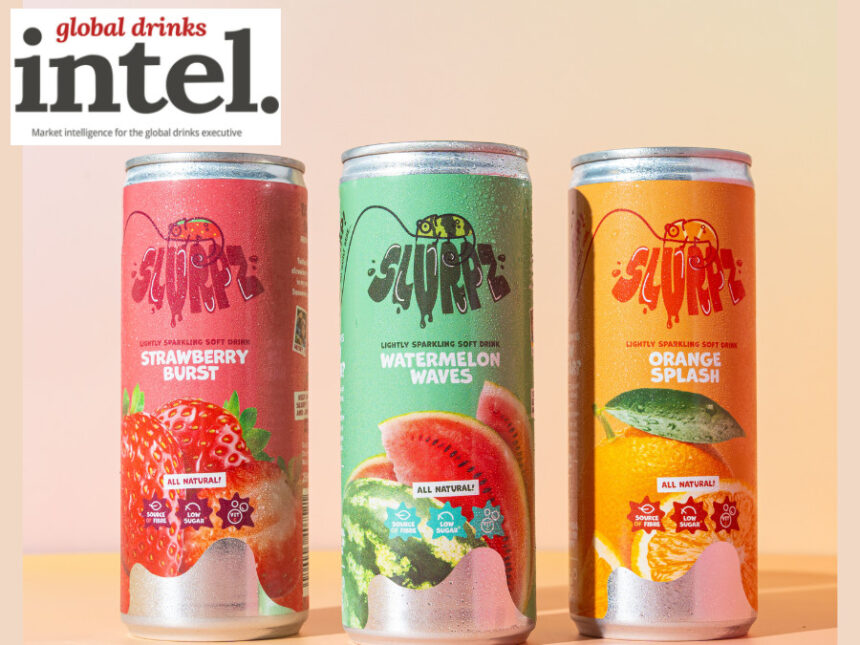
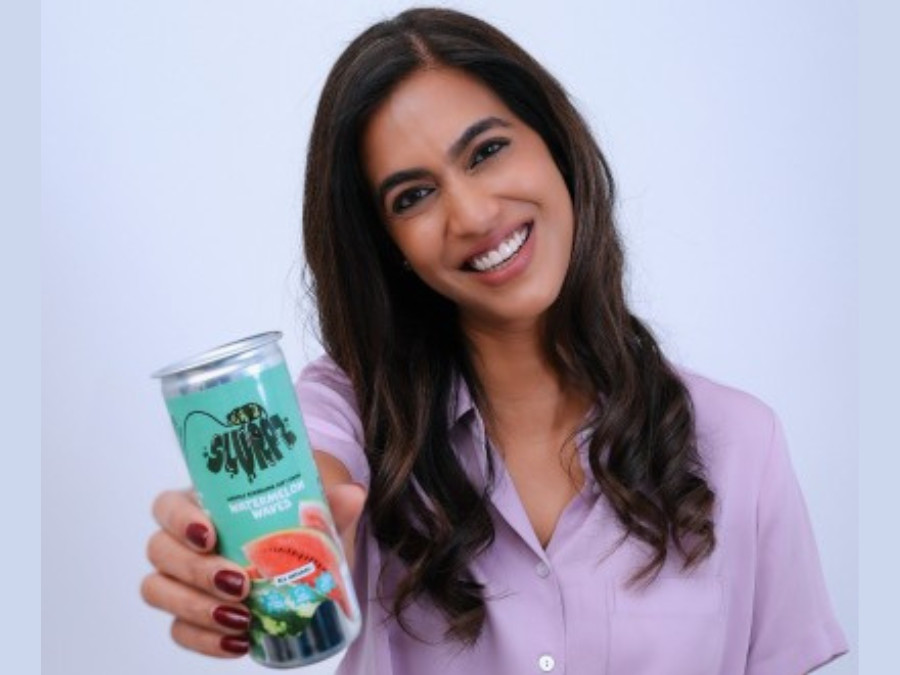
I started thinking about this after speaking to Tanya de Sousa Grimaldi (below), the founder of Slurpz, an all-natural, gently sparkling children’s drink with 80% less sugar than traditional juices and sodas. Slurpz came from the simple observation that between toddler juice boxes and the increasingly sophisticated world of adult soft drinks, there isn’t much designed for five- to 16-year-olds that parents can trust.
The brand launched in the UK in March 2025 and has already secured high-profile retail listings – including Harrods and several independents in the UK, as well as Carrefour in the UAE – alongside a growing presence in hospitality. A five-day trial with UK retail multiple Asda saw more than 1,800 cans sold at a single location, providing encouraging evidence of consumer demand in a larger grocery environment.
But I was more interested in what sits behind that growth, so I sat down with Tanya to find out.
The Slurpz founder came into the beverage industry from law – how, I ask her, did she learn a completely new vertical? “In the beginning,” she tells me, “I spoke to lots of people who introduced me to others in the industry; People who had built brands, people in private equity and venture capital with portfolios of brands.
“But the founder community really accelerated that learning, particularly being able to learn from people who were further along in their journey.
“Through the ‘Kids Food & Drink Collective‘, I connect with other founders building better-for-you brands for families. I’m also a member of ‘Buy Women Built‘ and ‘Bread & Jam‘ and was part of Raising the Glass’s ‘Untapped’ cohort. They’re all incredibly supportive communities, with founders generously sharing their knowledge, experience and connections.”
One of the key benefits of being part of a wider founder network, according to Tanya, is that she is learning from more than just other drinks brands. “If I have a packaging problem, I can put a message into one of those communities and get 30 or 40 recommendations,” she explains. “Someone running a snack brand might have solved the same problem.”
At trade shows, says Tanya, founders share contacts, discuss who they’ve worked with and flag what to avoid. “You end up with this massive pool of experience around you,” she says. “What’s remarkable is how generous people are with their knowledge and time, even when they’re busy building their own businesses.”
That’s where the comparison with bigger businesses gets interesting. A multinational has research departments, innovation teams, data and enormous budgets. But much of that expertise sits within the organisation.
A founder’s network is less tidy. Tanya might learn from another drinks founder one day and someone who has set up a vegan pizza business the next. The categories are different, but many of the problems aren’t. This shared knowledge can provide challenger brands with an advantage, helping them solve problems and challenge established players more quickly.
Tanya is convinced that a network also opens doors commercially. “I went to a Bread & Jam food-service summit and had a ten-minute pitch with Delicious Ideas Food Group,” she recalls. “That resulted in us launching with a national wholesaler that summer. You attend conferences to get advice and sometimes come out with an introduction you didn’t expect.”
For a small brand, that can shorten the distance between having an idea and getting it in front of the right person.
Having this resource also changes what Tanya is able to take on as a small business. “I’m bootstrapping the business deliberately,” she says, “so I’m focused on building it sustainably rather than expanding the team before we need to.
“But if a major opportunity comes along, I can speak to my advisors and tap into the experience of founders who have navigated similar opportunities, understand what resources are needed and bring in the right expertise to deliver. I don’t need to have every capability sitting inside Slurpz today.”
This might be the part we miss when we look at challenger brands. We judge the size of a business by what we can see: one founder, a handful of employees, maybe a few freelancers.
What we don’t see is who they can call; the founder who has already made the expensive mistake; the person who knows a distributor; the contact who can make an introduction. None of them appears on the org chart. But they’re there.
We see the founder. We see the product. We don’t always see the village.
Members-only intel
Keep reading this members-only article – and every one like it
- ✓All paywalled news and interviews
- ✓Category and market data
- ✓Monthly GDI magazine
- ✓Full archive + daily newsletter
Secure checkout · Cancel any time · Company invoices available
Already a member? Log in
See all plans, incl. 10-reader and corporate
Check if your company already pays for you Your company may already give you free access.
Corporate subscribers: AB InBev, Bacardi, Campari Group, Diageo, Moët Hennessy, Pernod Ricard, Proximo Spirits, Suntory Spirits Group, William Grant and Sons.
Activate company accessNot ready yet? Get the headlines free in our daily newsletter.
Sign up free