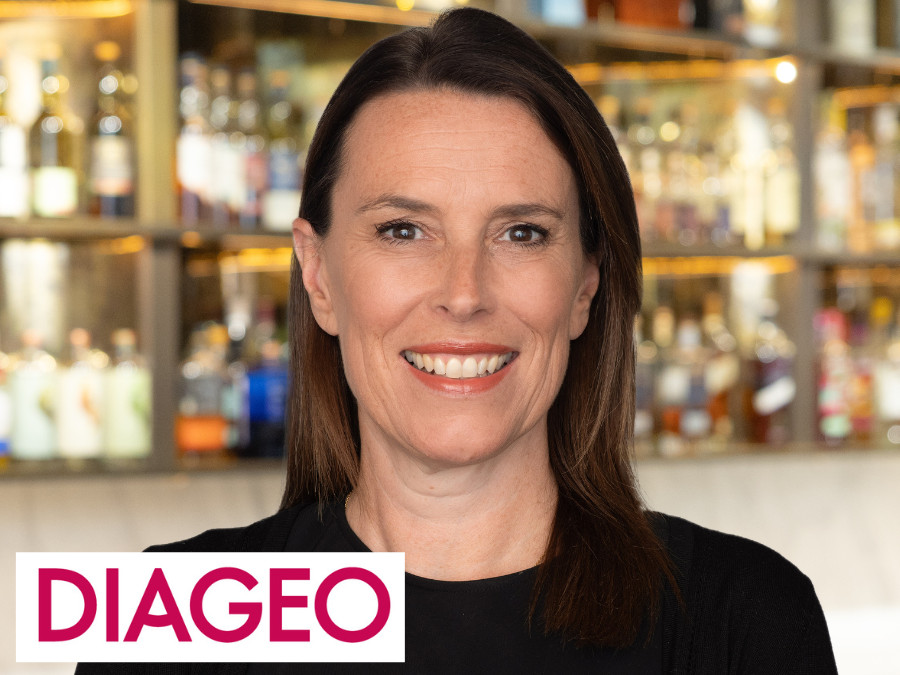
In part two of Global Drinks Intel‘s exclusive interview with Diageo’s global category director for whisk(e)y & luxury, Julie Bramham (below) leads editor Olly Wehring through the group’s approach to single malt scotch, discusses the prospects for smaller sizes and mid-strength extensions for the brands within her remit and identifies whisk(e)y’s untapped opportunity in RTDs.
How comfortable are you with Diageo’s existing portfolio for succeeding in the four “clear strategic battlegrounds” that you’ve identified?
We’re confident.
Have any brands been identified as surplus to Diageo’s identified needs?
I wouldn’t say ‘surplus’. [CEO] Dave [Lewis] has been on the record with his view of our M&A agenda.
As well as the big battlegrounds where we’re going to compete more effectively to win share and grow our business, we’re also making sure we’re present in the emerging areas of the category that are growing. For example, in 2023, we launched Godawan, our Indian single malt, which is a very fast-growing category. Then, there’s our Chinese single malt, Yun Tuo, which we’re looking at the progress of next month to see when we’re going to start bottling.
So, we’re still investing in the emerging and fast growing parts of the whisk(e)y category. I get a load of energy from these brands as well as from working on what’s going to win us market share and growth in the short term.
Where within your remit are you feeling the group-wide efficiency programme most keenly?
We’re rewiring the operating model of Diageo, and there are efficiencies across lots of different areas, particularly in how we’re making decisions. By putting everything into categories, it’s helping simplify decision making, while also allowing us to meet customer needs more effectively.
Today, I can make a decision across all of the portfolio, including innovation, and in luxury. In the past, we would have had three or four people making the decisions on that bit of business – now it’s one.
We’re already seeing benefits from some of the operating model changes that we’ve recently put in place. We didn’t do it just for internal reasons, it’s actually so that we serve our customers better. It’s also making us faster and much more competitive.
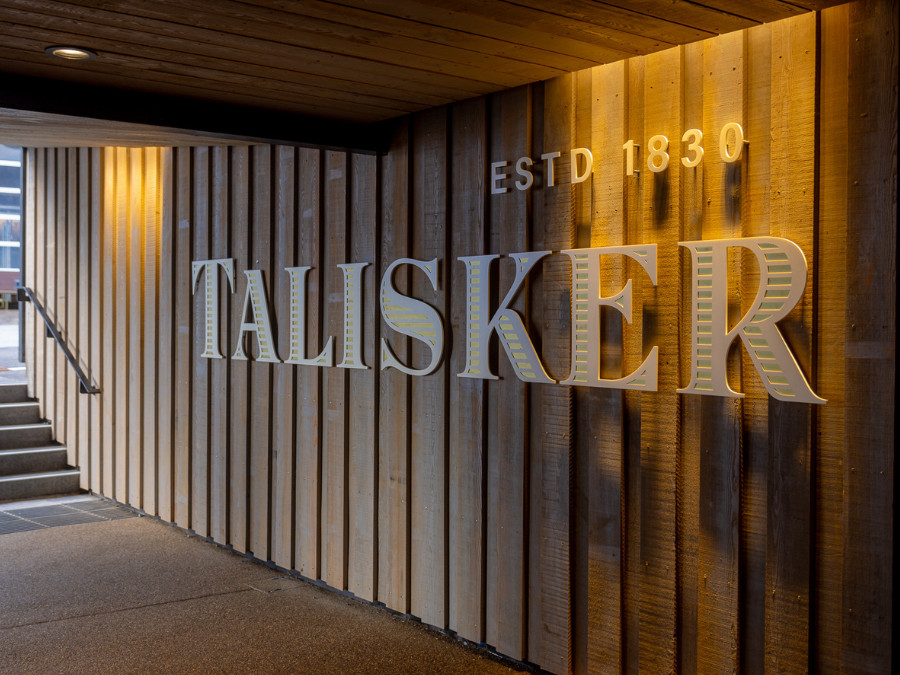
Diageo’s identified three single malts – Lagavulin, The Singleton and Talisker – as its priorities. Why have these three been chosen and not the others?
It’s not not the others! Diageo’s advantage in single malt is our portfolio. If you look at us versus the competition, we’ve got many more brands and we’ve got a huge competitive advantage here. What we’re trying to do is highlight the brands that we’re going to put our focus and investment on globally.
We have a load of regional focuses, as well as brands at the very top end – such as Brora and Port Ellen – that we’ll continue to invest in and grow. They’ll be important pieces of the portfolio.
Our message for the investor community is about focus. We’ll certainly be leveraging the full portfolio, but it won’t all necessarily happen globally. Mortlach has a stronghold in some Asian markets, for example. We’ll absolutely keep going with the brand there.
There was an active investment programme in the brand homes in Scotland a few years ago. That kind of programme wouldn’t happen now, would it?
We made a very significant step of investment into Scotland between 2018 and 2022. The work that we committed to doing is done. The brand homes are open and operating really well.
We’re feeling really good about where we are.
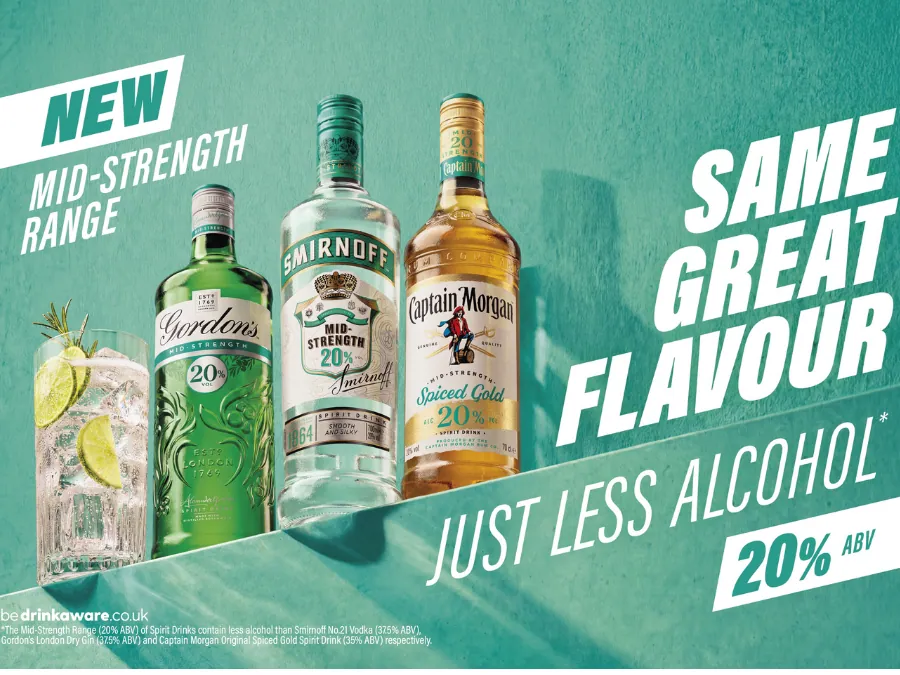
Two recent high-profile moves by Diageo that exemplify the change in strategy have been the introduction of smaller pack sizes and the launch in September of mid-strength extensions of Captain Morgan, Gordon’s and Smirnoff (below). Can we expect either of these concepts to be applied to the brands in your remit?
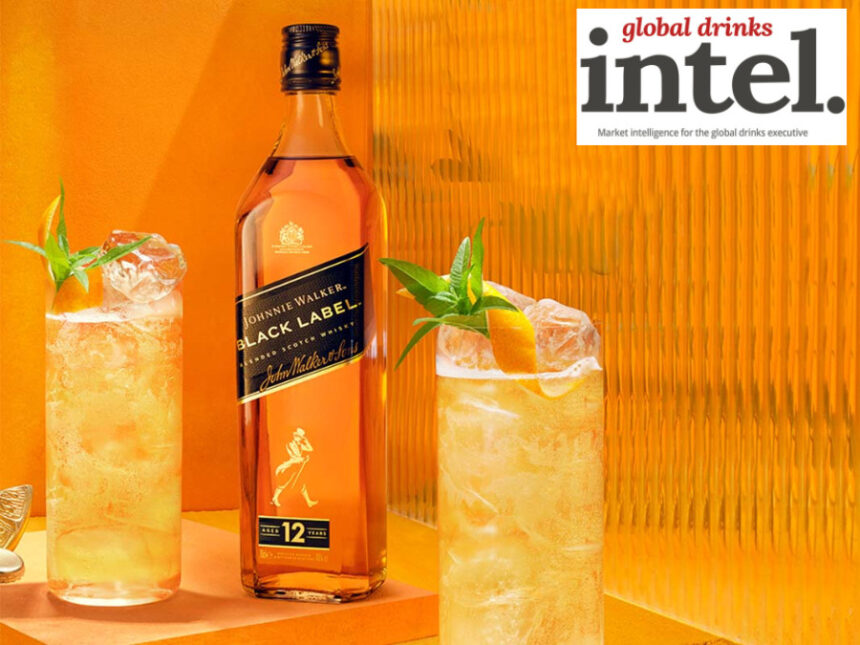
We’ve certainly under-leveraged smaller formats. We’ve actually got small formats for many of our brands that aren’t at the levels of distribution that we want them to be. Our greater participation here might enable somebody to buy Johnnie Walker Blue Label as a gift in a smaller format, for example, where otherwise they wouldn’t have chosen Johnnie Blue. So, we see small formats as a core recruitment opportunity, and not only at the premium end of the market.
Across the full price range, we haven’t participated fully on those occasions or with those shopper missions, so we’ll be doing more of that.
For our scotch portfolio, we’re founding partners of the Scotch Whisky Association, so we very much respect their guidelines on category definitions. The wider whisk(e)y category is growing in vibrancy and becoming more flexible. Outside of scotch, flavours have been out there for a number of years, and we play with flavour on some of our brands in some of their geographies, such as Buchanan’s Pineapple.
We will absolutely continue to look at the best way to meet consumer needs through our portfolio. We maybe won’t stretch the rules of the category, but we will stretch how the category grows, including with RTDs, where whisk(e)y hasn’t participated very much and where we’re going to do more.
What do you have in mind in RTDs?
There are some things that I can’t share!
We can observe that there are consumers who drink whisk(e)y, who also drink RTDs; not as much as in other categories, but there’s certainly overlap. We also know that in many occasions, consumers are looking for convenient or easy ways to enjoy whisk(e)y. The category as a whole has under-indexed in meeting those consumer needs. Diageo hasn’t necessarily always had brilliant propositions in this space, so we’re doing a tonne of work to really understand what the consumer opportunity is, and we will push out in lots of different ways to bring the proposition to life.
A lot of our work is still at the early concept stage, but we’ll be looking to bring some competitive propositions to market over the coming year or so.
A Johnnie Walker RTD?
I won’t say too much, but let’s see.
What do you hope your area of responsibility will have achieved 12 months from now?
We have a huge opportunity to continue to win share, particularly in those battlegrounds where we’ve been underrepresented, and we have the portfolio to do that. We are laser-focused on consumer recruitment, in knowing and understanding the consumer motivation and occasions when they might choose whisk(e)y.
These are the key things that we’ll continue to measure ourselves on – an absolute number of consumers recruited and whether we’ve won share.
See below for the ‘Capital Markets Day’ presentation hosted by Bramham in early August.
This article is available to Global Drinks Intel members only.
Click below for details on how to join the Global Drinks Intel community.
Already a member?
Log in here to read the article in full.
If you work for any of the following corporate subscribers to Global Drinks Intel, head here to activate your access.
- AB InBev
- Bacardi
- Campari Group
- Diageo
- Moët Hennessy
- Pernod Ricard
- Proximo Spirits
- Suntory Global Spirits
- William Grant & Sons