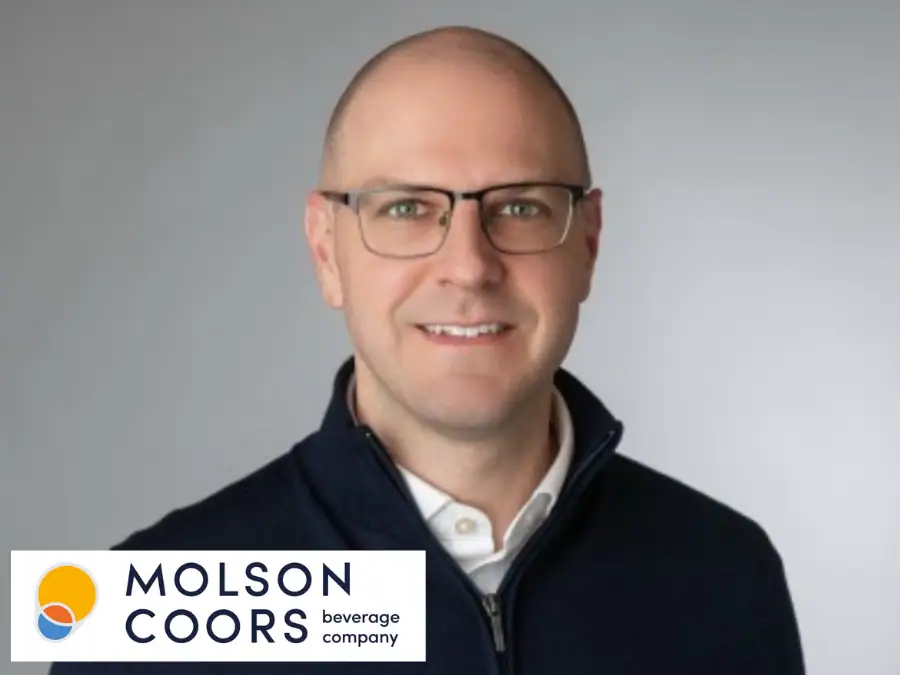
In the second part of this week’s exclusive interview with Molson Coors Beverage Co’s VP of strategic relationships and M&A, Andrew Tchadovitch talks Global Drinks Intel editor Olly Wehring through some of the group’s more recent transactions. He also shares his thoughts on the current trading environment in M&A and discusses Molson Coors’ longstanding diversification strategy.
You’ve had a change of CEO recently, with Rahul Goyal replacing Gavin Hattersley late last year. Has this switch made M&A more appealing to Molson Coors?
For context, I reported to Rahul when he was in his former role as chief strategy officer. In fact, he hired me (in late 2023)! At that point, M&A was probably more at the forefront of the acceleration plan. As he’s moved into the CEO role, I think it’s been a natural step that Rahul’s taken that with him as part of his ethos and strategy. I don’t think the landscape changed overnight.
It seems like we’re operating in a buyer’s market at the moment. Does that translate to the sale prices you’re being quoted?
There have been a lot of transactions in spirits-based RTDs in recent weeks, given the growth in that segment. But value expectations have had to be re-rated a bit, based on where the sector is trading. No one can afford to pay big multiples anymore. I’d say it’s more a case of people being prudent, doing the right deals and seeing the value they think they can bring.
Looking at the category as a whole, the long-term standing buyers are the only ones that are really there. There aren’t many external forces, such as private equity, driving competitive tension upwards.
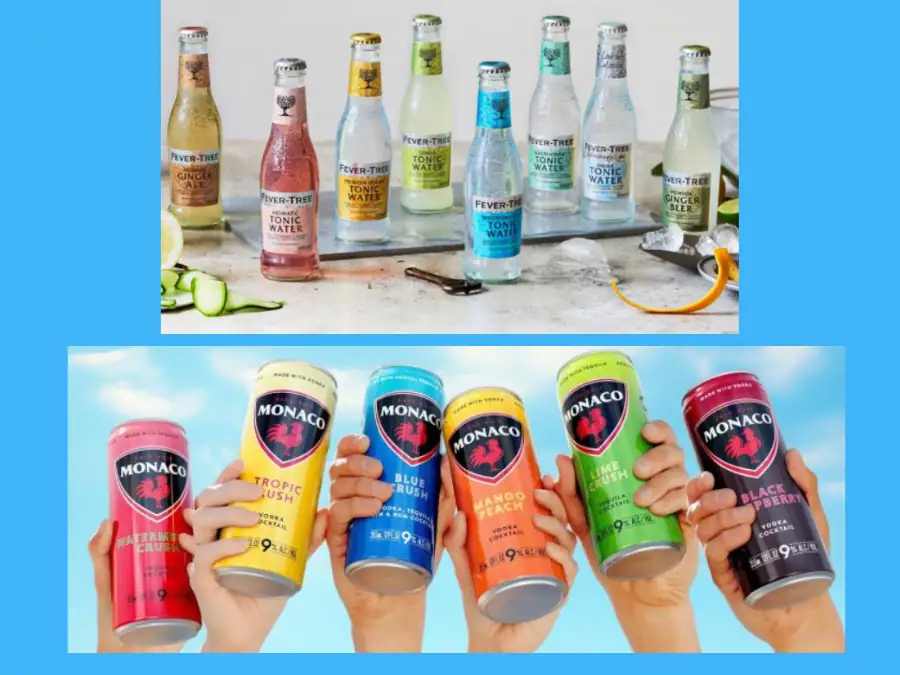
Could you talk us through the Fever-Tree tie-up (announced in January 2025) and the Atomic Brands purchase (from March this year)?
With Fever-Tree, we saw how the brand had been performing and had reached a certain size and scale in the US where, through the power of our distribution capabilities and sales teams, we could take it to the next level and accelerate its next phase of growth in the country. That’s where it made a lot of sense for us, giving us a meaningful position in an area where we think we have the right to win, while also building out our portfolio.
With Monaco, you’ve got a brand that’s been built over a 14-year period and is a meaningful player in the spirits-based RTD space. As well as having scale, Monaco also has heritage in terms of having been built in a sustainable way. Again, this was a brand of a size and scale that we wanted to add to our portfolio and grow, in terms of our top line and earnings.
The common theme in both cases is that these were in categories that we weren’t in.
Is there a fear that Molson Coors’ diversification strategy pulls the company beyond its established skill set?
I don’t think it’s a fear. There are learnings that come with going into new categories and we’re making the right investments to support that. We’ve also brought people into Molson Coors from Fever-Tree and from Monaco to keep the brands growing in the right way.
We do recognise that we need to bring the right expertise and capabilities in to build that skill set and that muscle. We’re also cognisant enough to know there are areas that we need to preserve for these brands.
What in your role is the definition of success?
Ultimately, I want to see the portfolio grow and for us to execute our strategy. I want to do that in a way that means the brand goes from strength to strength once it becomes a Molson Coors brand. Being able to leverage our skills and capabilities to take brands from point A to point B and be part of that journey is the real highlight of my role.
For most of what I do, I operate in a world of secrecy, so it’s always nice to see the energy and excitement from the team when we go public.
What’s on the top of your in-tray currently?
In terms of what to do or what to buy?! I’m heavily focused at the moment on integrating Monaco into the Molson Coors network. Beyond that, I can’t tell you what else is going on, but I’m busy building the pipeline for the next opportunity.