Last month, Global Drinks Intel editor Olly Wehring was granted a rare audience with the CEO of US distribution giant Southern Glazer’s Wine & Spirits, Wayne Chaplin. Bringing the average age of our call down considerably was the group’s commercial sales president – and Wayne’s son – Mark Chaplin. In the first part of this exclusive interview, Wayne and Mark discuss how tough today’s market turbulence has become, how alcohol brand owners can best weather that turbulence and which way the premiumisation trend will turn next.
Wayne, you’ve been doing this for considerably longer than Mark.
Wayne Chaplin: I started with the old Southern Wine & Spirits Co back in 1984, so this is my 42nd year. Ten years ago, Southern merged with Glazer’s to create the first US distributor with a national footprint. I’m the current CEO & president of the company.
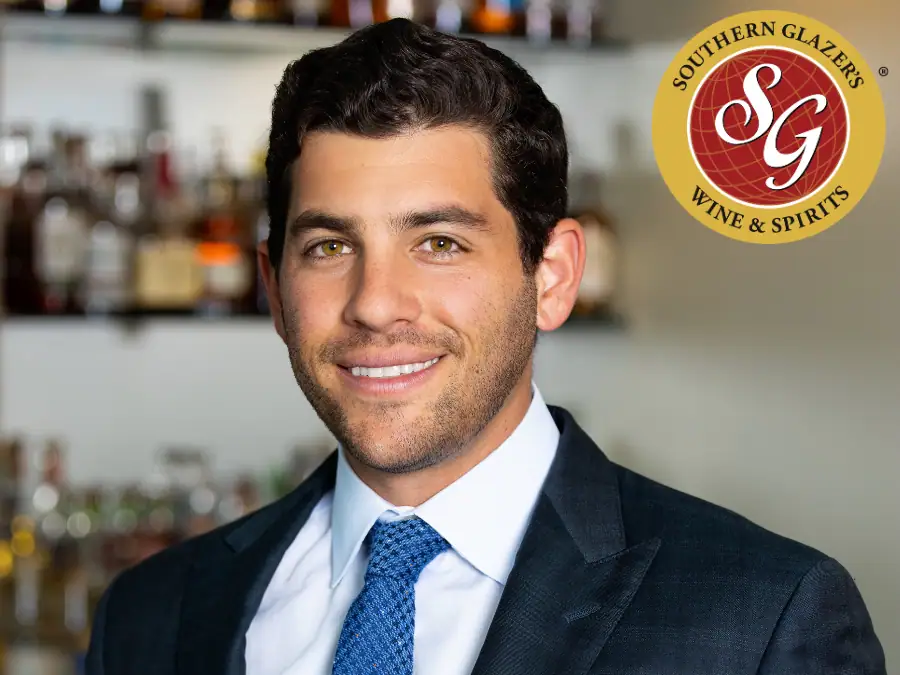
Mark Chaplin (below): I’ve been around the business my entire life! Right now, I’m the president of commercial sales, covering our national accounts, our beer business and a couple of others. I’ve been working for Southern for nine years and started just after Southern and Glazer’s came together.
There appears to be more turbulence around alcohol distribution today than at any point over the last 25 years or so.
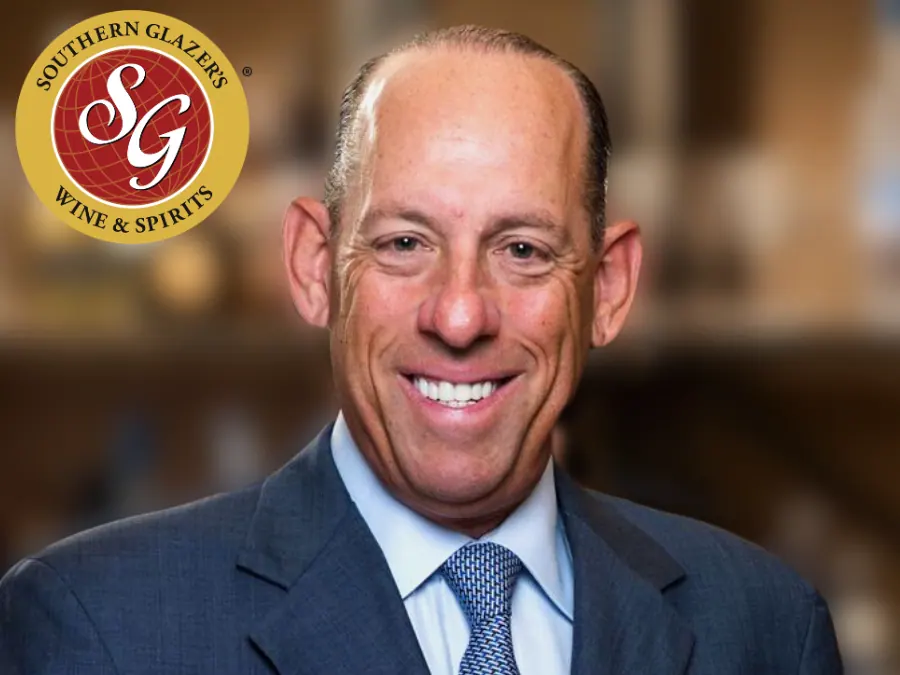
Wayne Chaplin (below): I’d say there’s more turbulence now than I’ve seen in my decades with the business. There was a bit back in the early 80s, when the economy was struggling a bit. What we’re seeing is the trends of the last three years starting to soften and go backwards.
People are having a hard time getting their minds around what levers they need to pull in a down market versus a growing market. Everyone’s focused on when the trends will change back – they will change back and this business will grow again. People have been enjoying spirits and wine for thousands of years and they’ll continue to do so. When the economy turns, the business will grow again.
It has been turbulent, but people have to learn how to adjust to doing business differently when growth is hard to come by.
You sound quite relaxed. What’s the cause of the current challenges to the trading environment?
MC: Everyone’s debating whether the issue is structural or cyclical. There are factors on both sides, such as GLP-1 medication being more readily available for those consumers trying to be healthier, or a new competitive set in delta-nine [THC-infused beverages] through wider decriminalisation of marijuana.
Over the last 25 years, the business has grown pretty steadily at around a 2.5% in value. The pandemic period was outside of that normal growth trajectory, and what we’re seeing today is a regression back to the mean growth rate. In all the data we look at, that’s what is truly occurring.
All distributors like to complain about pricing at times – We saw prices tick up significantly over the pandemic time as it was harder to get goods into the market. Right now, you really see the impact price has on the everyday American consumer.
As we see this normalise, the consumer will too. We’re seeing the lower price points drive some of today’s growth as well as the K-shaped recovery in the US.
How do you feel the brand owners are faring at weathering these challenges?
WC: Instead of delivering on what they believe their brand proposition should be, the brand owners need to listen to the consumer more than ever before. We’ve seen that when people listen to the consumer – and reach consumers where they are today – then the brands grow because they meet the consumer’s current needs, which might be different today than they were five or ten years ago. We’re seeing certain brands deliver on their propositions well.
Affordability is also key, so we have to make sure we get the pricing strategy right.
Where does the discussion around pricing leave alcohol’s bedrock strategy of premiumisation?
MC: There’s always this underlying feeling that people want to drink better and that they want brands that resonate with them. The ultra-premium and luxury sectors of the business continue to grow in the US, so that piece has been relatively uninterrupted.
Some are turning their attention to pack-size changes. There are two sides to the coin here. One of it is that people are paying less, but are still drinking the premium products that they learned to enjoy during the pandemic when they had a couple more dollars in their pocket. The other is around the convenience opportunity to serve the occasions that matter to today’s consumer.
We’re seeing both of these trends coexist in smaller pack sizes.
You’re sounding like a brand ambassador for RTDs! The older ones among us still view the boom in RTDs with a little suspicion.
WC: People want to look at RTDs and think that it’s a new category. We could go back and look at brands like Seagram Coolers or California Coolers and see how big that business was back then, before it totally went away. Some think this current trend is going to follow in the same direction. I don’t think it will.
A lot of the RTDs we have today are prepared cocktails in a can. While they’ve been mostly malt-based, we’re seeing more vodka- and tequila-based RTDs, which help bring consumers into the category. Eventually, as they mature, I expect these consumers to want to drink full-strength bottled spirits.
MC: On the wine-based side, if played the right way, brands like Buzzballs and Beatbox – both of which are just on fire here – can help drive new consumers into the wine category, which has been hit a little harder than spirits and beer over the past couple of years.
Doesn’t the gateway theory for RTDs jar somewhat with the Gen Z health & wellness theory?
MC: If you look at where BuzzBallz and Beatbox index from a consumer standpoint, it’s with Gen Z. These are two of the fastest-growing brands in the US business right now. We have these counterintuitive points – people want to be healthy, but they also want to indulge and have fun in the category. It’s about how that consumer proposition comes to them.
We all talk about the younger demographic not drinking, but I remember when the same stories were told about the Millennial generation and how they didn’t drink as much. I’ve recently seen them quoted as being the drunkest generation!
When you look at the brands that can speak to a younger consumer about health & wellness and can also be fun, people are gravitating there. That’s certainly behind some of the success we’ve seen with these two brands as well as with brands like Michelob Ultra.
WC: I’d build on that and say if we give those young people who are so health-conscious and not drinking as much a few extra dollars in their pocket, I wonder what they’re going to do with it! If they had a little more disposable income, I think they’d want to go out with their friends and enjoy a drink.