

Winner – Lion Brewery (Ceylon)
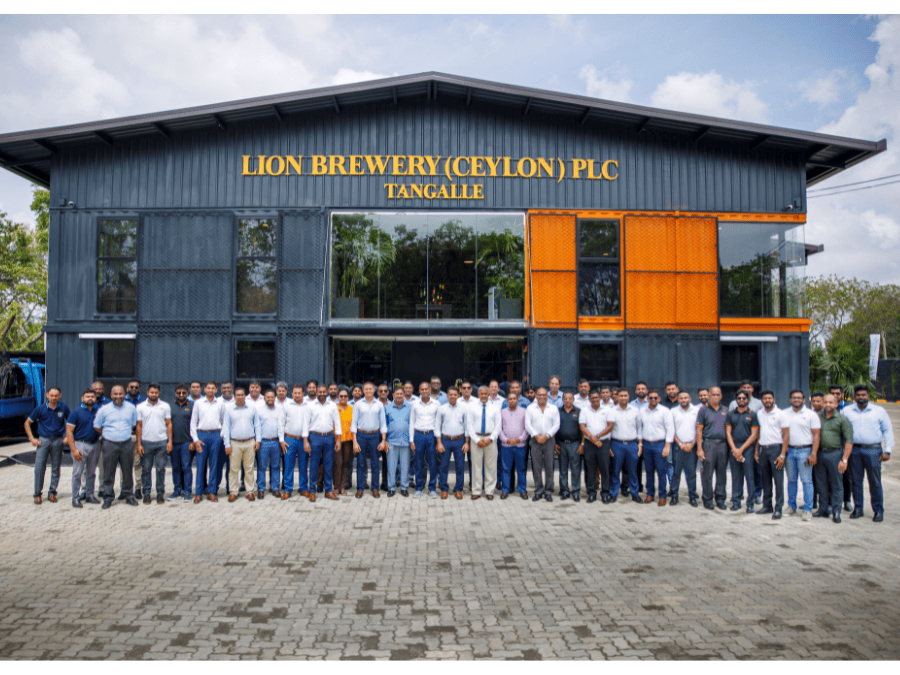
As Sri Lanka’s leading brewery, with an annual production capacity at its plant in Biyagama of 2m hectolitres, Lion Brewery (Ceylon) brews a range of beers under the Lion, Carlsberg and Guinness master brands, exporting to 17 countries in total.
When fermentation is completed during the brewing process, the liquid undergoes centrifugation followed by filtration – the latter being carried out using a candle filter, incorporating kieselguhr (a fine-grained rock also known as diatomaceous earth) as a filter aid. Normally, the waste kieselguhr would be managed as landfill following the process.
The company addressed this issue through a number of steps, first reducing the amount of filter material used per hectolitre of beer, and then also introducing an increase in filter length.
Secondly, the used filter aid material is discharged from the filter as slurry, which would normally have to be air/sun-dried, requiring space, time and potentially generating odour issues. Lion tackled this by installing a Limburg plate and cloth filter press, discharging the filter medium in cake form in a matter of hours, thus minimising the previous complexities and inefficiencies.
The company also works with Sachindra Holdings, a manufacturer of concrete paving and block stones, using the waste material as a partial replacement for quarry dust, a key ingredient of the stones. They have also identified three key benefits: lower input costs; a higher crushing/load-bearing strength; and a smoother external finish, requiring less plastering.
Lion Brewery was also able to incorporate bricks made from this process into its ‘green warehouse’ model, constituting another step towards driving waste to value and circularity in the company’s operations.
Since then – and following discussions with a local cement manufacturer – the material has cleared laboratory trials and is now undergoing commercial trials for application in ready-mix cement, as a partial replacement for fly ash.
Our judges said: “This project focused on the avoidance of solid waste in liquid streams, finding a commercial outlet for the brewery’s waste in the construction industry – proving that one company’s waste is another’s treasure.”
Gold Medal – Cotswolds Distillery
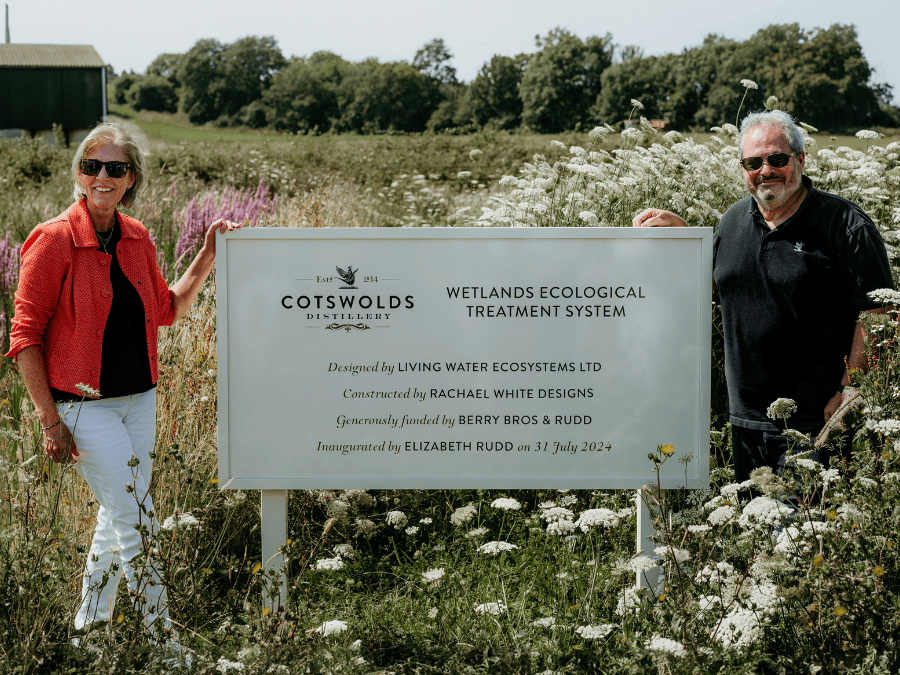
The UK-based distiller came up with an ingenious solution to the issue of transporting thousands of litres of waste water a week off-site for treatment – instead establishing its Wetlands Ecological Treatment System (WETS) – a sequence of engineered reed beds, settling ponds and wetland channels that combine to act as a living filter.
Capable of processing more than 50,000 litres of waste water per week – accounting for the vast majority of Cotswolds’ distilling effluent – WETS achieved an 80% reduction in wastewater requiring off-site transportation in its first year, cutting tanker journeys by more than 100 trips annually, equating to a saving of around 25 tonnes of CO2e per year.