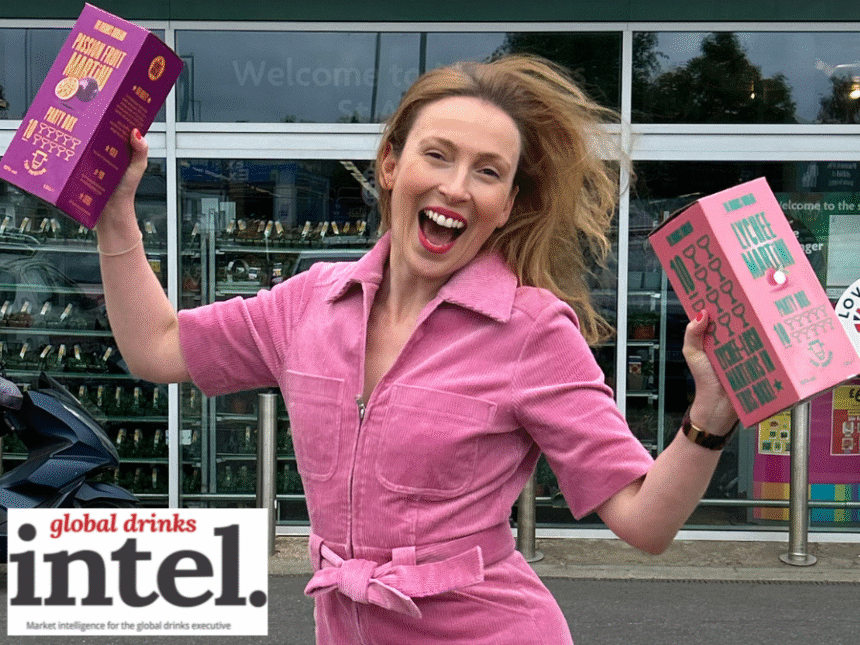
Canadian native Frankie Snobel has a history of entrepreneurship in beverage alcohol – and a successful history at that. Having sold her first business, premix cocktail brand Tipplesworth, to Diageo in 2019, Snobel is back with The Drinks Bureau and another bite at the RTD cherry with a line of canned cocktails and on-tap ‘party boxes’. Global Drinks Intel editor Olly Wehring took the history lesson earlier this month.
How did you get to where you are today?
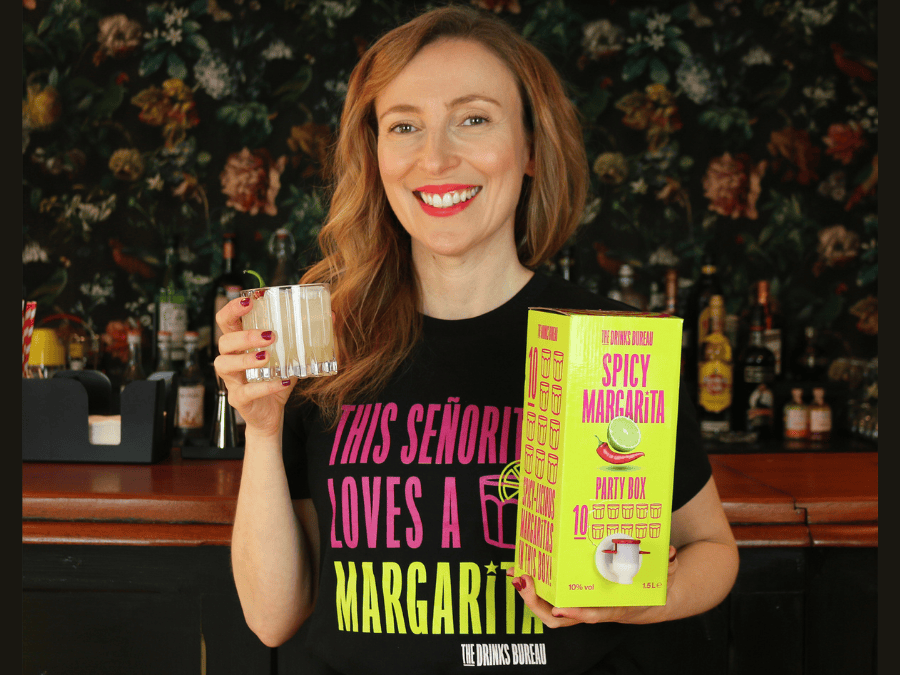
I’m the founder and the chief of drinks at The Drinks Bureau. We make ready-to-drink cocktails that are bar quality and in fun formats – We sell in bag-in-box and cans. We really want to celebrate the fun in the cocktail occasion.
Pretty much my whole adult life has been in the drinks industry. When I was 19, I started out working at bars and clubs before getting the chance to work behind a cocktail bar. I loved making drinks, so that became a big passion of mine. I travelled the world bartending and about 20 years ago ended up in the UK – I’m originally from Canada.
I knew that I always wanted to start a business; I’ve always been a bit of a risk taker and the black sheep in our family. Back in 2012, I could see there was a huge gap in the home-cocktail market – bottled premix cocktails didn’t really exist. With my first business, Tipplesworth, we created luxury cocktail sets in vintage suitcases that we sold through high-end retailers, and then bottled mixers for cocktails. It went really well, but I wanted something that was scalable. Then, I realised that draught cocktails were starting to happen, but not very well because of the poor quality.
Ultimately, I wanted to exit to a big drinks conglomerate. I always wanted to sell to Diageo – our investors at the time thought I was completely bonkers and that the chances were slim. But I’m very determined and persistent! I also have some great allies in the industry and I had a mentor – Emma Wykes, the former COO of Seedlip and founding partner of Pollen Projects – who opened the door to someone at Diageo to have a conversation.
With pre-mixed on-premise cocktails, I convinced key stakeholders within Diageo to give me a chance to create something; within a couple of months, we had some prototypes that we pitched to one of their biggest customers and they wanted it. That’s what led to the acquisition [in 2019].
The industry’s changed so much since then. People have realised you can have a quality liquid in a bottle or in a can. That’s made it fiercely competitive, but it also means there’s a lot less education needed for consumers.
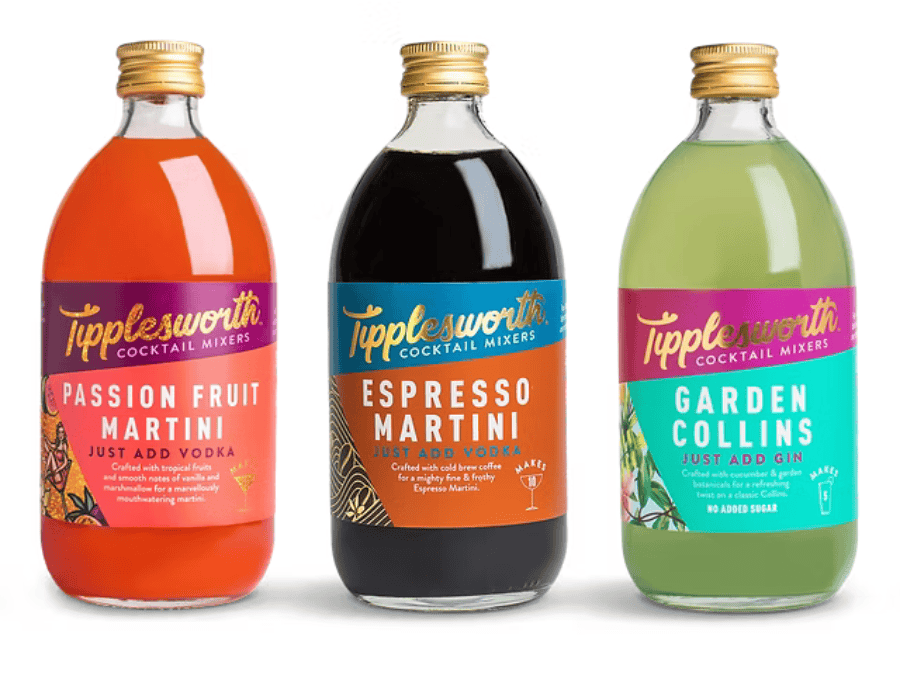
How do you feel the industry took to Tipplesworth, given its then-disruptor status?
You have to have a lot of gumption in this industry and not have a fear of rejection. It takes a lot of courage to reach out to someone and ask for help, but people are helpful and if they can be kind, they will.
At the beginning of Tipplesworth, I met Emma, who at the time was the MD of a drinks distributor, and she invited me to a drinks event where I met someone from Harvey Nichols, which led to my first retailer listing. She also opened the door to someone at Diageo.
Because of her, I try to pay it forward now. When people reach out to me for advice, I owe it to them to give them some of my time and expertise.
It’s just as hard the second time around; the difference is that I have much thicker skin this time.
In between Tipplesworth and The Drinks Bureau, you spent a couple of years with Diageo as a draught cocktail advisor.
When you have your own business, you can react and innovate so quickly. To go from that to then working in a big corporate machine, where things have to pass through so many stakeholders, it’s tough for somebody who doesn’t have that corporate background.
Why have you decided to launch another new brand?
I sometimes feel like there might be some sort of adrenaline addiction to being an entrepreneur, because when I sold Tipplesworth, I promised myself I wasn’t going to start another business. And now, here I am.
I caught up on my sleep first, but I also had a horrible health scare and was diagnosed with breast cancer, which put a lot of things into perspective. Life is really short, you better love every moment and have a bloody good time doing it. So, I decided to start another cocktail business – it’s what I know and love. This time around, I have a business partner involved on the manufacturing side, which is really helpful; the supply chain and production side of things is where a lot of the stress lies.
There were a lot of brands on the market at the time that took themselves really seriously. There was a big gap for a fun, playful brand that’s bright and colourful and says it like it is. I also wanted something mid-premium and mid-strength – easy to drink but still punchy enough to taste like a real cocktail. The other thing is our packs – nobody was doing nice cocktails in 1.5-litre bag-in-box. Factor in the cost of glass and recycling charges coming into play, not to mention carbon footprint, and bag-in-box just makes sense.
How did you identify the market gap you’re trying to fill?
At the moment, everyone seems to be fighting for the premium space. From there, you drop down to the alcopop space – There’s nothing in the middle.
We were looking at statistics on where all the big sales come from in premix. The volumes are more from the alcopop ones, but the quality isn’t. We thought we could create something that’s high quality, at a higher ABV to an alcopop; for those alcopop drinkers who want to trade up to something that tastes a lot better, tastes boozier and has a more generous serve, but doesn’t cost GBP4 (US$5.40), as is the case with the premium ones.
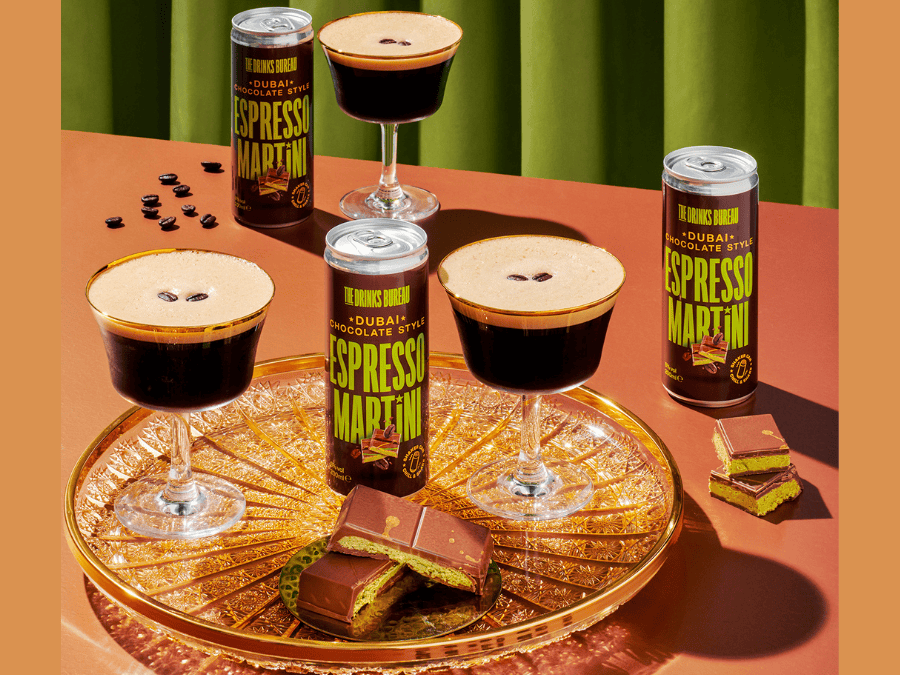
That’s why we’re about to shift our can range in grocery into a larger serve size and to 8% ABV in October.
How big is The Drinks Bureau?
We’re actually only a team of three at the moment – we’re very much doing everything on a shoestring budget. We haven’t really done any marketing, but within the next month or two, we’re going to be turning over seven figures. We’re considering external investment, because we need to bulk up our team.
It just goes to show that you can do it with a small budget and you don’t have to give up all your equity from the get-go.
What was your funding journey with Tipplesworth?
I’d been speaking to a few ‘angels’ and they were giving me the runaround. I really wanted to take control of raising investment, so I went on to [start-up crowdfunding platform] Crowdcube – I ended up raising what I wanted in less than a week. Bear in mind, I had no business experience prior to starting the company!
We also, obviously, received investment through Distill Ventures, but that was further down the line.
This time around, we’re weighing up the options for the best route for us. I’m having conversations with some ‘angels’, crowdfunding’s another option and there’s a venture capital firm that’s put an offer on the table. We don’t need a huge amount of money to get to where we want to, and we’ve proved that you don’t need a lot of money to grow the business.
Do you have the same exit strategy with The Drinks Bureau?
I want to scale and I want to exit, yes. That might sound like a taboo approach, but I want to go fast and go hard, then catch up on sleep again, knowing that I created something that’s still in the market and has given a lot of joy to a lot of people who want great cocktails.
How else does this time around differ from the last?
The journey’s always exhausting and you make so many sacrifices, with family, friends, your finances and your health. You put so much into it that it becomes your identity and your everything. Although it’s exciting to be involved with something that you can be so passionate about, it also means you’re not fulfilled in a lot of other areas in your life.
I have a lot of self-awareness now, where I step back when I feel I deserve to enjoy my weekend, or I need to see my mom and have a cup of tea and relax. Sometimes, I feel myself falling back into the same me from before, but I’m trying to be a bit more balanced this time around.
What other learnings from Tipplesworth have you taken into The Drinks Bureau?
I now know how to say no. With the first business, I wanted to say yes to every opportunity that came my way. Now, I’m so focused on growth for the business that if it isn’t going to lead me to where I want to be in the next three to four years, then I say no.
I have international distributors wanting our products, for example, but I’m turning them down because I want to focus on the UK right now.
Would Tipplesworth have been as successful if you’d had the approach that you have with your second business?
Who knows? Everything is so fast-moving in a start-up. I did quite a lot of pivots with Tipplesworth – First kits, then mixers, then draught cocktails – all of which I took to get to the end goal of exiting the business. This time around, I’m trying to make what I have work.
There’s also a lot less ego involved. With the first business, I was so worried about what people thought of the product and how they saw me as a founder. This time around, I just want to sell a shedload of cocktails! I want to have a brand that has a lot of fun in the industry.
What advice would you give to a younger you?
Enjoy the ride. There are so many ups and downs, you have to stop and appreciate everything you’ve accomplished.