There’s little doubt that we are living through the era of wellness and wellbeing. Between cold-pressed detox juices, Bikram yoga, gut-boosting probiotics and Alexa-integrated air filters, we are being inundated with products and services that revolve around personal betterment.
The target? To be the best versions of ourselves.
Fuelled by an increasing focus on both physical and mental wellbeing, the health & wellness trend has enjoyed a post-pandemic boom, with consumers tracking any and every metric possible to better understand how to improve their health and mood. Be it wearable fitness trackers, wellbeing journals or calorie-counting apps, we’re never far away from our own personal wellness score.
The vernacular of wellbeing and wellness is so entrenched that in my work team of almost 30 Gen Z and Millennial researchers at CGA by NIQ, we set a ‘weekly wellbeing priority’, to keep us all mindful, positive and productive. These usually run along the lines of increasing step-count, going to the gym or drinking more water than usual.
It’s rare that anybody sets a wellbeing priority around drinking more alcohol than usual.
The current consumer environment doesn’t place the on-premise channel – and beverage alcohol – particularly positively. In fact, alongside stories of a new generation of teetotallers, weight-loss drugs that suppress an individual’s appetite for alcohol and a perceived social stigma around being drunk, it has led to many predictions (premature though they may be) of a cataclysmic collapse of eating and drinking out and, in particular, of drinking alcohol.
The data does indeed reflect something of a shift away from spending on drinking out and towards health & wellness.
By CGA by NIQ’s last count, annual global sales of beer and spirits dipped by 0.9%, while the Global Wellness Institute claims the global wellness economy has grown by 9% annually since 2020 and is now worth US$6.3tn – a figure that places the sector above the likes of the global IT and tourism industries.
Sector experts have even suggested that, rather than high-end alcohol or designer goods, it is wellness that is considered to be the latest status symbol. This is supported by reports from British healthcare company Bupa that the wealthiest consumers have increased their spending most on wellness and self-care (+20%).
That said, it’s difficult to pinpoint exactly what wellness is and where that money is spent.
Maybe I’m being sceptical, but I can’t help but think that some of the hype around health & wellness may be exaggerated, in much the same way the doom around alcohol may be.
The Global Wellness Institute figure is, at best, selective and, at worst, downright deceitful. It classifies the wellness sector as being inclusive of cosmetics, personal care and beauty, but not of activities such as holidays, hospitality or the live experience sector.
Much as I appreciate that I’m not the target market, given the choice between a vacation, a pint or a manicure, I know which of the three would improve my wellbeing the least.
And, despite (or, depending on your cynicism levels, because of) the influx of new products, experiences and exposure to all things health & wellness, we’re also starting to see a backlash. Smoking is back, (as evidenced by my favourite Instagram page, ‘cigfluencers’), vegan restaurants and alcohol-free bars are closing and indulgent dessert parlours continue to expand their reach globally.
My take is that, in a world where concentration spans are ever-shorter and time is ever-more squeezed, health & wellness is more about time well spent than money well spent.
Indeed, CGA by NIQ’s latest global research shows that consumers are far more likely to value ‘quality time with loved ones’ as a treat than they are ‘self-care and wellness’, although that does appear on the list.
And, when considering this, perhaps wellness isn’t the great threat to the on-premise after all. I would argue that, positioned correctly, the channel can lean in to the health & wellness trend and take advantage of the self-care needs that consumers continue to prioritise.
If wellbeing is about doing what makes you feel good, then the on-premise would do well to embrace it for the better. Certainly, wellbeing doesn’t mean irresponsible drinking and the consequent regret, anxiety and social shame increasingly associated with it. But what wellbeing can be, is a more deliberate and positive choice.
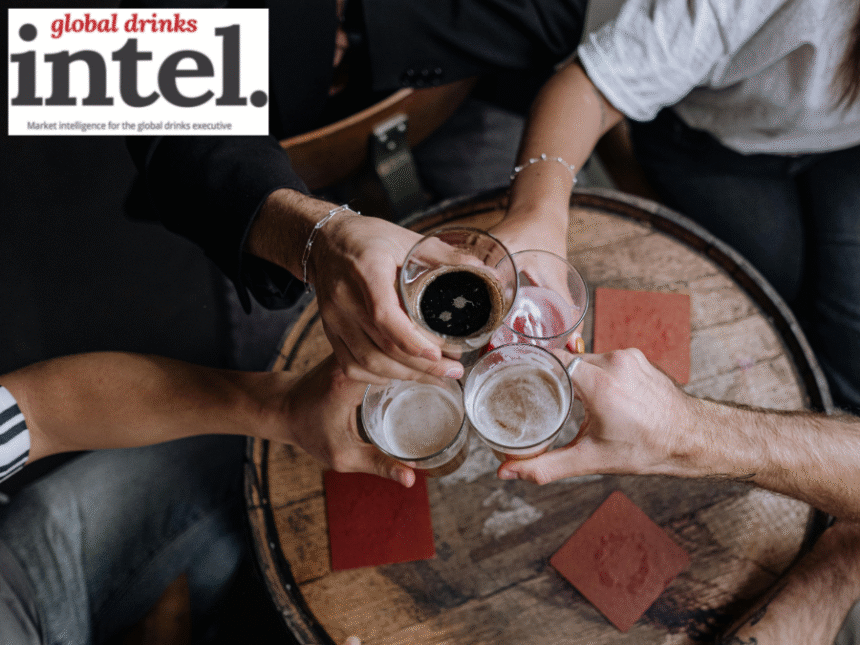
The choice to enjoy a glass of wine with friends in a pub garden, for example, the reason to stop the solitary doom-scrolling through social media and head out into the real world of bars and restaurants or the driver behind a mental health-boosting chat with a pal over a nice, cold beer.
Perhaps, then, health & wellness isn’t the beginning of the end for the on-premise, but a new and more progressive beginning – the era of positive drinking.
This article is available to Global Drinks Intel members only.
Click below for details on how to join the Global Drinks Intel community.
Already a member?
Log in here to read the article in full.
If you work for any of the following corporate subscribers to Global Drinks Intel, head here to activate your access.
- AB InBev
- Bacardi
- Campari Group
- Diageo
- Moët Hennessy
- Pernod Ricard
- Proximo Spirits
- Suntory Global Spirits
- William Grant & Sons