On a recent visit to South Africa’s wine region, I was reminded of the power of an important marketing lever that many drinks marketers seem to have overlooked or downgraded in recent years: the drinking experience.
In the place where I was staying, I was – literally – given the key to the establishment’s private wine cellar, with plenty of time to browse the dark, cobwebbed vault before making my own selection to enjoy with my meal, ahead of settling up at the end of my stay. I loved the experience and hand-picked a fine pinotage. The wine tasted extraordinary, as I had hoped, and the bottle was pricey, as I expected.
Then, shortly before flying home, I spotted the same bottle of wine in a local co-op, on sale for GBP4.50 (US$5.80). There is no doubt in my mind that the experience of choosing my own wine from the cellar changed my perception of the taste and the value.
It made me recall being 18 and disliking Guinness until, tired, thirsty and dehydrated at the end of a tourist tour of the Guinness Storehouse, I drank the pint included in the ticket price and it just tasted different. The experience changed my view on the taste of the Irish stout and I became a life-long Guinness fan.
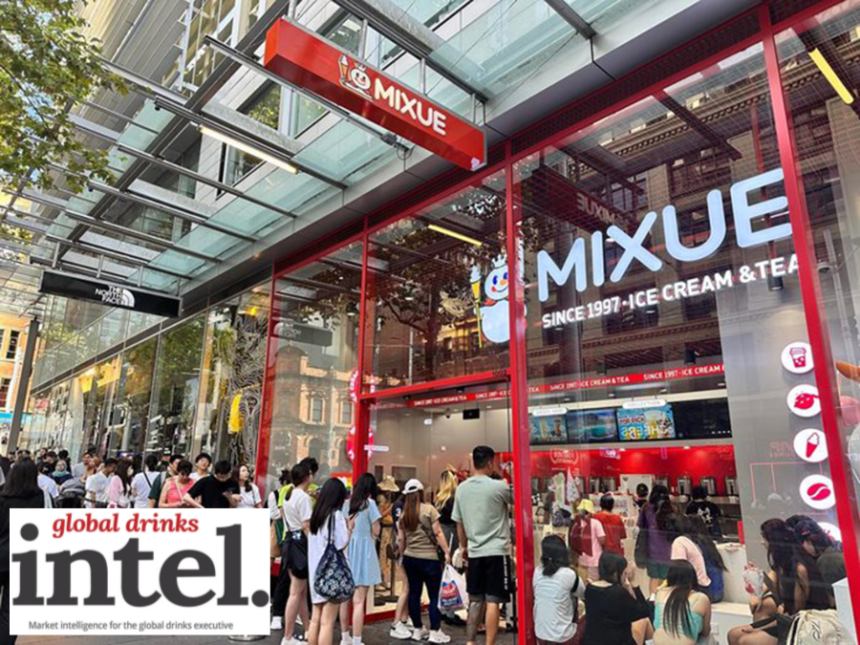
Reading about bubble tea chain Mixue’s shares jumping 40% when it debuted on the Hong Kong Stock Exchange in early March, reminded me of my South African wine and Guinness experiences.
Mixue Ice Cream & Tea has overtaken McDonald’s and Starbucks as the world’s largest food and beverage chain by number of stores (45,000 versus Maccies’ “over 43,000” and Starbucks’ 40,576). The Chinese company has achieved this impress scale, in no small part, thanks to its distinctive in-store and drinking experience.
The message? Context matters and can literally change how we taste drinks and our value perception.
In fact, the setting – and the experience that goes hand-in-hand with it – can directly impact a drink or food’s taste score.
That’s why, for example, food consumed on an airplane tastes blander. That’s also why in a Cornell University experiment, participants who ate identical samples of blue cheese in three different virtual reality environments – a sensory booth, a park bench and a cow barn – rated the cheese as tasting most pungent when eaten in a cow barn.
Whisky distillery tasting rooms are testament to the value of context – not just as a chance to sample, but also as a way to drive long-lasting sales through the power and enjoyment of the drinking experience.
There’s plenty of scope for other beverage categories to plug into this as well. Last year, Impero became Aspall Cyder’s lead creative agency and we’ve been working with its ‘pommelier’ (cider sommelier) to understand the brand’s taste profile so that we can create advertising and experiences that dial into this.
Guinness, of course, is well aware of the power of environment – later this year, owner Diageo will open Guinness At Old Brewer’s Yard, a microbrewery and cultural hub aiming to bring a little of that Dublin Storehouse magic to London’s Covent Garden.
Some brands, however, seem to be missing a trick, even turning their backs on the consumption experience that made them a success in the first place.
Meantime Brewing Co, founded by Alistair Hook with GBP500,000 borrowed from friends and family, is a good example. Launched in Greenwich in south-east London in 1999, Meantime built a strong local presence, owning and operating a pub, brewpub and bar, as well as opening a taproom and visitor centre at its Greenwich Brewery in 2015.
Meantime’s Greenwich venues were sold off or closed one by one; the brewery taproom was the last man standing. Then last May, these were shut by current owner Asahi when it moved Meantime’s production to its Fuller’s Brewery site in west London, to “consolidate its UK operations”.
This drive for efficiency over experience has left the brand, which on its website proclaims it was “proudly born in Greenwich” and always finds ways to celebrate its “roots and champion the Home of Time”, without having a presence there anymore.
It’s not just in the on-premise where the right approach to capitalising on context can shape brand perceptions, change taste perceptions and drive sales. Ninja’s Slushi Frozen Drink Maker – which has sold out multiple times since launching in the UK last year – is already redefining the at-home drinking experience for a growing number of people.
Meanwhile, multisensory memorable experiences are among Mintel’s top flavour trends for the year ahead. “Taste amplification,” suggests the market researcher, “presents a promising opportunity for brands to expand their focus and meet consumer needs.”
All of which makes now the ideal time for drinks marketers of alcoholic – and non-alcoholic – beverage brands alike to rethink their experiential strategies.