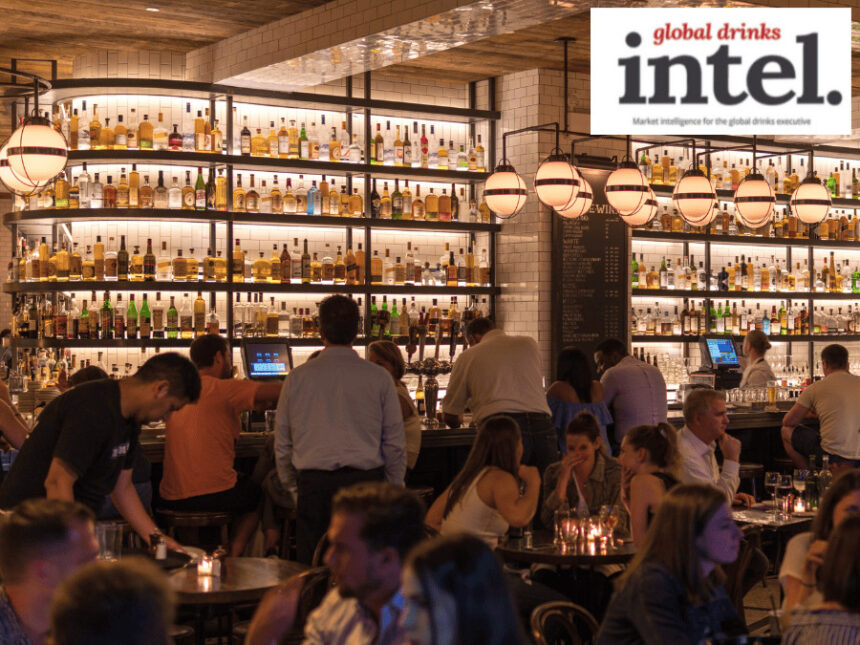
Since the Covid-19 pandemic, the biggest success story of the alcohol sector is neither a new concept, nor a flavour extension or a cut-through new brand or serve. Instead, it is a brand that in the not-too-distant past was in near-terminal decline, but has been a staple of the on-premise channel for centuries
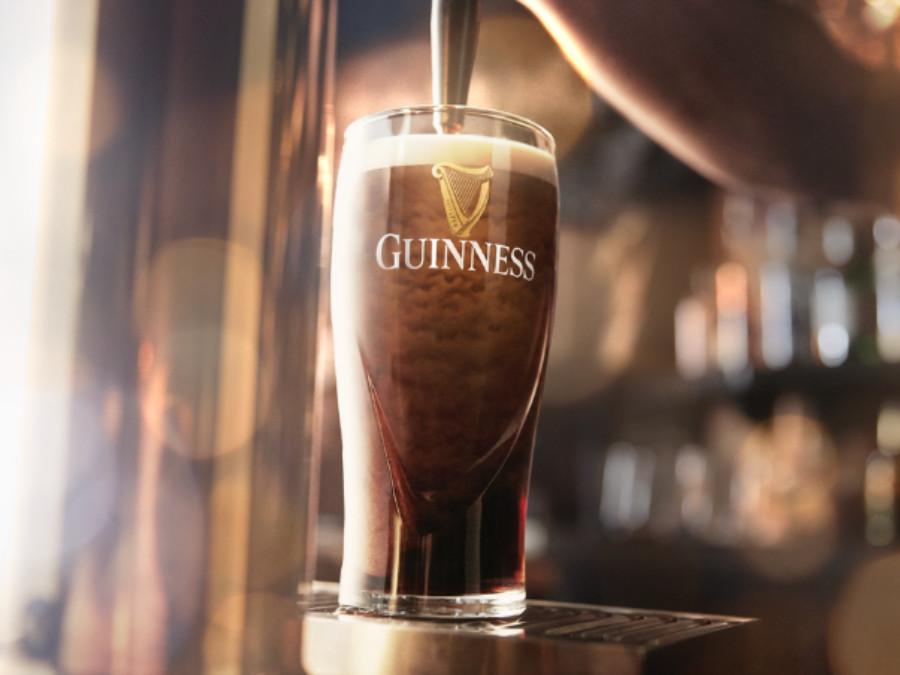
In recent years, Guinness has grown in popularity and volumes to such an extent that, late last year, there was near-nationwide outrage when shortages hit the UK. That’s right, a nearly 300-year-old brand was universally the biggest drinks trend of 2024 – without the need to innovate across new extensions or categories.
Owner Diageo was able to capitalise on multiple favourable factors to drive Guinness’ growth: an instantly recognisable product, a brand with genuine authenticity and heritage, backed by a perfect serve and consumption ritual that is loved by aficionados. All this plus, as has long been the case with Guinness, a world-leading marketing, strategy and activation team.
Other success stories follow a similar pattern; all the above can be applied to the flourishing behemoth that is Aperol, while the No.1 winning beer brand in Germany is Augustiner, a brand that meticulously ensures that it is only served in venues that provide the perfect draught experience, telling its story of authenticity and heritage at every opportunity.
A perfect serve and iconic glass have also fuelled the beer growth of the likes of Loburg in France and Asahi in the UK.
Could 2025 therefore be the year that Stella Artois – founded 600 years ago and retaining an iconic serve – tops the trend charts? Or how about the martini – a long-established emblem of quality and sophistication, with a ubiquitously identifiable and traditional cocktail serve? Indeed, one trend that recently caught my eye has been that of ‘mini-tinis’, shot-sized versions of the cocktail appearing on menus across the globe in the past year or so.
As appealing as it is to gulp my way through different martini variations, like a grown-up pick’n’mix is, it’s hardly a new category or brand that’s shaking things up. And that lack of successful innovation does pose a genuine worry for the on-premise. Yes, consumers are looking for tried and trusted options, but it is excitement and innovation that keeps the channel healthy and brings consumers back for more.
As TikTok feeds overflow with bubble tea, Korean beauty products and Persian fruit leather (no, me neither), there’s a drift of consumers from the on-premise to other channels to experience the latest new trend.
Of course, innovation more broadly will never die in what is an intrinsically creative sector. Even a quick glance at the menus of the best bars in the world will highlight that we’re blessed with a swathe of world-leading mixologists possessing the most inspired minds and original souls across any creative sector.
It is often flavour where this imaginative spark reveals itself. A skim of the drinks list at London’s ever-innovative Lyaness bar, winner of the Siete Misterios Best Cocktail Menu Award 2024 (part of The World’s 50 Best Bars programme), showcases flavour innovation in abundance. Featuring the likes of Szechuan spice, cornflake liqueur and even a “peated parsnip amazake”, sticking to the traditional is not something that could be levelled at the bar’s mastermind, Ryan Chetiyawardana.
Closer to the mainstream, meanwhile, we shouldn’t be surprised to see continued innovation around spicy drinks and yuzu-inspired cocktails penetrate more conventional drinks menus this year.
Outside of cocktails, the no/low-alcohol category has plenty of headroom for further growth and will continue to develop and emerge. However, the positioning to consumers of this particular category is far too pessimistic, much like the dark January nights in which it gains the greatest share of the limelight in the Northern Hemisphere.
Brands within no/low are too often positioned as a downbeat alternative; framed as a choice made on the basis of abstinence, moderation and self-restraint, rather than celebrated as products that actually are enjoyable and can be celebrated. With this in mind, it makes sense that products such as Botivo Non-Alcoholic Aperitif and Lucky Saint Alcohol-Free Beer, both of whom are marketed with upbeat enthusiasm, continue to grow.
For alcohol brands, curating authentic experiences through storytelling and activation will remain the most successful path to growth. Of course, the on-premise will continue to attract the ‘here today, gone tomorrow’ fads and trends that explode from a very small base (and then consequently collapse).
But, don’t be surprised if the big trends of 2025 are shaped by brands and serves that we’ve loved for decades.
This article is available to Global Drinks Intel members only.
Click below for details on how to join the Global Drinks Intel community.
Already a member?
Log in here to read the article in full.
If you work for any of the following corporate subscribers to Global Drinks Intel, head here to activate your access.
- AB InBev
- Bacardi
- Campari Group
- Diageo
- Moët Hennessy
- Pernod Ricard
- Proximo Spirits
- Suntory Global Spirits
- William Grant & Sons