Every now and then, a chart goes viral and for a fleeting moment, a good graph hogs the limelight. This happened recently, when a chart about love hit our feeds. You might have seen it. It documented the ways in which over the last 100 years, people met their spouses.
Back in the 1930s, introductions through family topped the list, but as time went on and familial structures evolved, the influence of friends and co-workers increased, pushing family introductions down to fourth. In third place were bars and restaurants – which in the 1990s accounted for over one in six encounters between future partners.
Fast forward to the early 2000s and a new player entered the game. The world of online dating began to dominate, overtaking the on-premise and rapidly grew to the point that it now dwarfs all other ways in which we meet our partners.
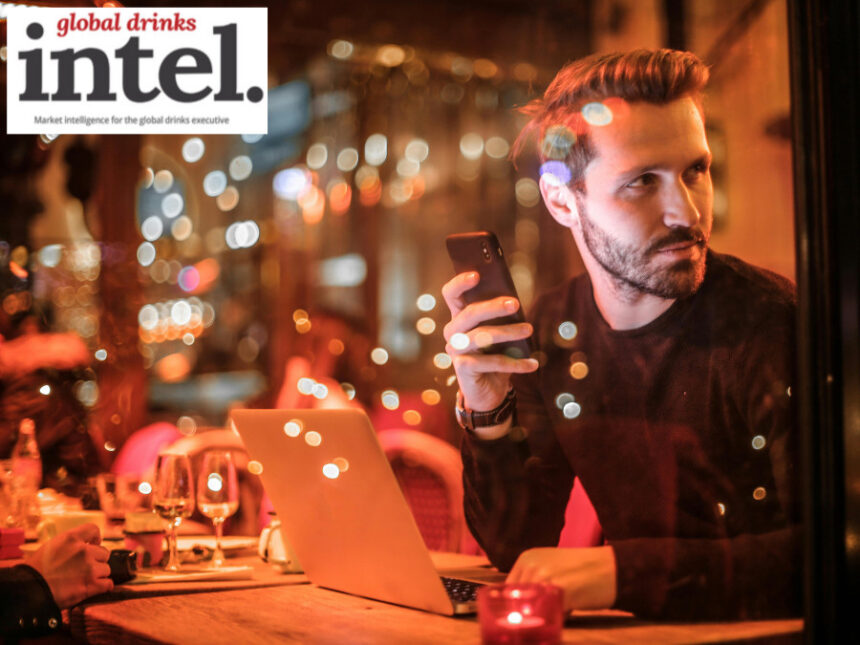
All this begs the question: in a new world in which connections are happening digitally, what’s the role of the on-premise? A sector that, for centuries, has existed purely to facilitate in-person interactions is potentially at risk, given that this is increasingly occurring online.
In practice, the rise of virtual has fundamentally altered the role of the on-premise channel and shifted the focus away from bringing people together into the very core of the sector itself; being taken care of and having a good time, or, put simply, hospitality and experience. Add to this the sense of human connection and socialisation, and it creates something far more powerful than any digital platform could.
Indeed, one could argue that the on-premise has already embraced (and benefited from) the world of virtual socialising. The best-in-class hospitality experiences no longer solely live in the present moment, but instead are shared, amplified and augmented, utilising the exact digital platforms and social media sites that, on first glance, seem to pose an existential threat.
It’s in this context that some of the channel’s success stories are occurring. In the UK, two London-based operators have caught the eye for their superior delivery of hospitality experiences. The first, Inception Group, is behind the likes of Mr Fogg’s and Cahoots. Its mission statement is all about “creating unique and memorable experiences” and it has curated venues that give consumers a reason to come and visit. They’re themed (from a 1950s power station to a Margaret Thatcher-inspired 1980s nightclub), but the vibes are authentic, encouraging connection, either in-person, or to post to social media.
Similarly, the second, Incipio Group, promotes a sense of escapism and fosters unique, authentic experiences that will resonate both in-person and online. With a tagline of ‘escape the ordinary’, their objective is to “curate beautiful spaces with vibrant atmospheres for great times” through the likes of secret gardens and Instagram-able rooftop oases.
In Manchester, in the north of the country, another exceptional operator is taking a different approach. Permanently Unique run the fabulous (and very Insta-famous) Tattu and Fenix venues – luxurious, elegant and modern drinking & dining experiences that hold just as much appeal with serious foodies as they do for the TikTok generation looking for some social kudos.
Their latest opening, Louis, is exactly what you would expect from a hospitality operator at the top of their game, with the experience dialled up once again amid a classic New York Italian-American theme, incorporating live music, tiered seating and, of course, the all-important social media-friendly décor.
Here’s the twist, though: Louis operates a no-phones policy.
Regardless of how delectable the PB&J old fashioned looks, you ain’t taking a picture. Want to record the big band and jazz covers? Sorry! And no, you can’t video the exclusive trolley service “designed to elevate your dining experience to new heights of sophistication and pleasure”.
The rule has been introduced in order to build a sense of authenticity. To ensure that those hospitality experiences are pure, are lived ‘in the moment’ and are a genuine escape. It allows for a much-needed disconnection from the virtual reality in which much of us live. Ironically, it allows us to connect.
Of course, the need for consumers to use the on-premise as a way to document experiences on social media will remain. But don’t be surprised to see more venues following suit and providing offline, disconnected, authentic, in-the-moment experiences.
This article is available to Global Drinks Intel members only.
Click below for details on how to join the Global Drinks Intel community.
Already a member?
Log in here to read the article in full.
If you work for any of the following corporate subscribers to Global Drinks Intel, head here to activate your access.
- AB InBev
- Bacardi
- Campari Group
- Diageo
- Moët Hennessy
- Pernod Ricard
- Proximo Spirits
- Suntory Global Spirits
- William Grant & Sons