As the global travel retail channel has steadily recovered from the lows experienced during the Covid-19 pandemic, some beverage alcohol segments have attracted particular optimism – and champagne/sparkling wine is definitely one of them. After all, what better way to celebrate the return of international travel than to pop open a bottle of bubbly?
“The GTR market has recovered and, while focusing on our strategic brands, like Mionetto or Freixenet in the past years, Henkell Freixenet has already achieved the volumes of 2019 in this segment,” says Ramon Olivé, head of sales of GTR at Henkell Freixenet Global Export.
“Some regions, such as Europe and the Americas, have already fully recovered and are growing versus pre-pandemic levels. In terms of Asia and China, the volume of passengers is recovering month after month, but we are still below pre-pandemic [in these markets].”
However, that doesn’t dim the company’s long-term focus on the region. “We consider Asia Pacific as a market with great importance,” says Olivé. “Via GTR channels in Asia, we see an opportunity to increase perception and brand awareness in Asian consumers’ minds, as they are the ones with the highest spend per capita in the channel.
“APAC will be one of our focus areas for 2025 in terms of growth.”
As Olivé says, the bounceback, even for a segment as dynamic as champagne/sparkling, has so far been uneven – influenced by geographical nuances such as the persistent unwillingness of Chinese nationals to undertake long-haul travel in large numbers, and the uncertain macroeconomic backdrop.
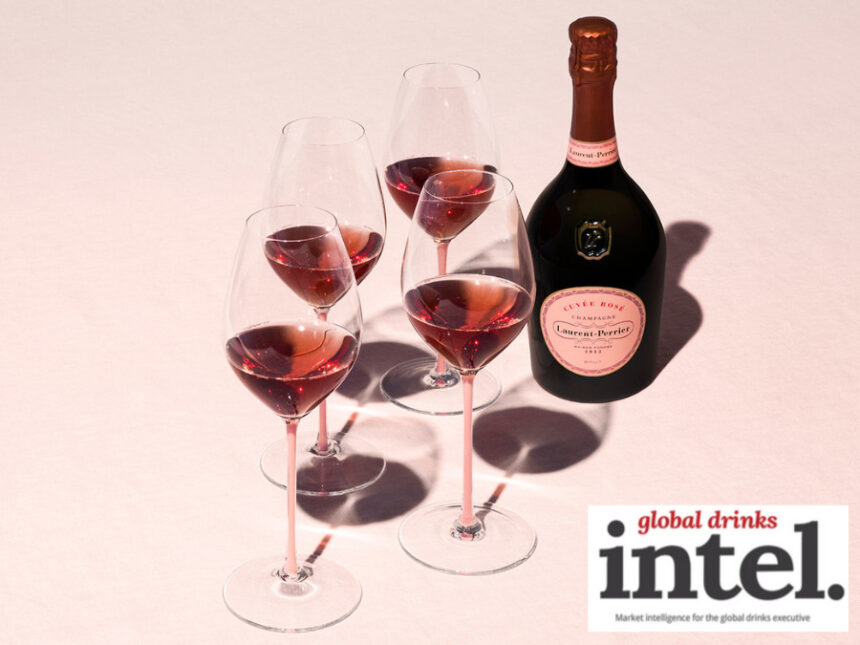
“Globally, our volumes are above 2019, but within airlines and duty free, our volumes declined due to restricted travel during Covid and increased demand in retail over this challenging period,” reports Laurent-Perrier UK MD Adam Guy. “Demand in travel retail is gradually returning to pre-Covid levels.”
At Bottega, company president Sandro Bottega asserts that turnover is up by “almost 50%” versus 2019, but also admits that growth is “fluctuating” because of “multiple tensions at international level”.
He adds: “In Asia, the situation is less positive, however, some distinctions must be made. Singapore and Thailand are growing, also thanks to the large tourist flow and to the favourable rates for purchases in the GTR channel. The other countries of South East Asia are recording a slow increase due to the late recovery of Chinese tourism. China has not yet recovered the turnover of 2019.”
New brands embrace post-Covid GTR opportunity
While established players in the channel have played a key role in the resurgence of the channel – including the likes of Henkell Freixenet, Moët Hennessy and Champagne Lanson – the disruption and subsequent evolution of GTR have created openings for new companies and brands.
“Drappier has fully entered the GTR channel post-Covid [through a large listing via Aelia and Dufry],” says Champagne Drappier co-owner & commercial director Charline Drappier. “Therefore, it’s difficult to provide a comparative point of view. However, as we entered the selection in 2022, champagne sales were very high and it helped us to get a very nice exposure during the first two years, which is still paying off.”
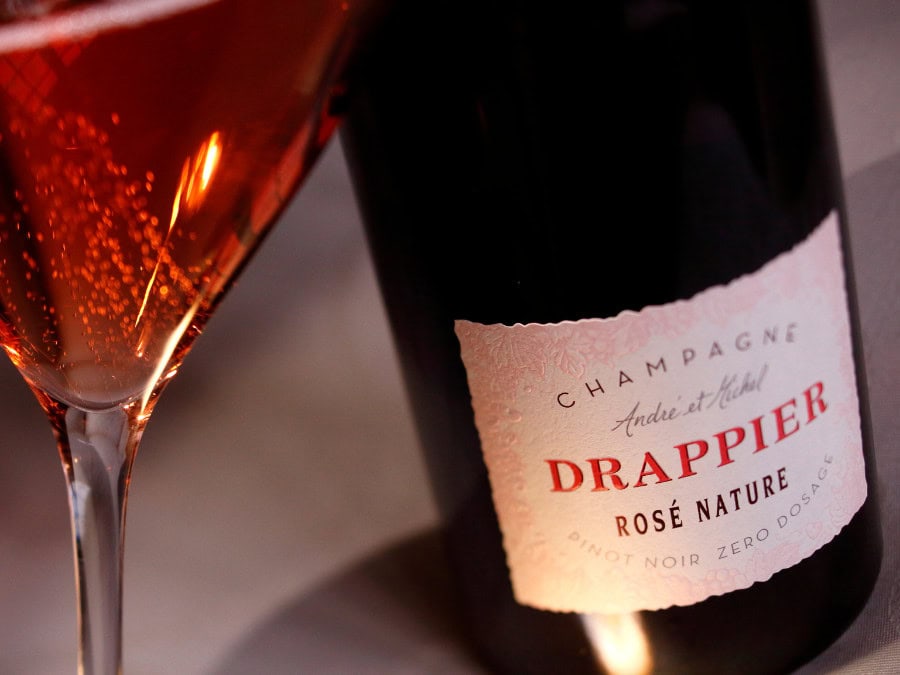
Drappier’s Brut Nature Cuvée (below) was selected by Lagardère as the retailer’s first zero-dosage champagne, and the operator also listed Drappier’s Clarevallis organic champagne, which benefited from an activation during this summer’s Paris Olympics.
“The GTR trade seems to be opening up to newer, more premium products, such as those more focused on environmental principles, and more ‘niche’ products,” says Drappier, but she adds that such esoteric champagnes are more likely to prove successful if accompanied by the halo effect of a well-known brand name.
“Notoriety in the domestic market plays a big role, and exclusive GTR products do not seem to drive as much interest as a champagne that’s already strong in its market,” she explains. Purchase rates for Drappier’s Brut Nature and Brut Nature Rosé in travel retail are described as “very high” – but the company’s GTR best-seller remains its core Carte d’Or expression.
At Accolade Wines, channel sales director EMEA Jeff Bond reports an “encouraging” sales upturn for the company’s Da Luca Prosecco brand since 2019, mainly in Europe, but also through distribution gains in the Middle East and Southern African airports over the past two years.
“Champagne can be seen as a treat or luxury purchase,” says Bond, “whereas prosecco is more frequently bought as an alternative to still wine in consumers’ shopping baskets. In 2024, we will upweight our tasting activity that proved very successful in 2023. We will be launching a tasting campaign in five UK airports in December this year for Da Luca Prosecco and Da Luca Sparkling Rosé, with the aspiration of sampling 30,000-plus consumers over the period.”
‘Spreading the word of quality’
Bond argues that “liquid on lips” remains the most effective means of sales conversion, and many brands believe that a judicious mix of experiential activity and price promotions is the best way to drive awareness and sales in the travel retail channel.
“Promoting a niche family brand is all about spreading the word of the quality of the champagne and how it has been made,” says Charline Drappier. “Especially when you grow your own grapes, and if these are cultivated organically, the more important it is that the consumer knows about it.”
Sandro Bottega agrees, referencing GTR’s fabled role as a shop window, rather than a cash cow. “Our commercial philosophy has always been to maximise firstly the consumer pleasure instead of our profit margins,” he explains. “Store promotions and guided tastings are part of our strategy, as we believe that making consumers aware of our quality is the best way to gain their loyalty.”
Such activities can be crucial in persuading travellers to part with a few more dollars, euros or yen to trade up to a higher-quality or more exclusive product. Premiumisation may have taken a battering from the pandemic and subsequent economic woes, but it remains a dynamic to be reckoned with.
“Premiumisation is still a trend in GTR,” says Henkell Freixenet’s Olivé. “Travellers are looking on-shelf for new SKUs that they cannot find on the high street, and gifting is still one of the main drivers at the time of purchasing. That’s why higher-end products still play an important role within the market.” For Henkell Freixenet, examples include Freixenet’s new French expressions, Brut Royal and Rosé Royal, as well as vintage cavas from Segura Viudas.
Prosecco is an obvious candidate for premiumisation, and Sandro Bottega believes this should be the “first mission” for Italian wineries. The company’s eye-catching Bottega Gold Prosecco DOC has long been a vehicle for this, boosted by a revelatory series of vertical tastings showcasing the ageability of Bottega’s wines.
In the near future, the company is set to unveil its Gold Vintage project – a collection of super-premium proseccos produced using selected grapes from individual cru zones and fermented on the lees for nine months (rather than four). The first release, Bottega Gold Cru, an extra brut prosecco from the 2022 vintage, has already been bottled.
The desire to push more premium products is all but ubiquitous – Laurent-Perrier’s Guy sees more potential for the house’s higher-end cuvées in travel retail – but that doesn’t mean the provision of good value has no place in today’s GTR channel.
“It’s important for retailers to offer value across the board in wine and champagne,” says Accolade’s Bond. “Although premiumisation is evident, there is still a large consumer need for affordable value.” He highlights Accolade’s move to an ‘always on promotion’ approach in its airport retail business, offering a two-for-GBP20 (US$26) deal on Da Luca Prosecco with retailer Avolta, and an EDLP (every day low price) per bottle and case on UK ferry routes.
Henkell Freixenet’s Olivé sums up the company’s approach in this area as “mix and match”, encompassing new product development, GTR exclusives and luxury proposals, but alongside wine packs or 1-litre formats – all tailored to the demands of individual regions and markets. For instance, in Brazil, the company incentivises the purchase of full boxes (six bottles) among consumers.
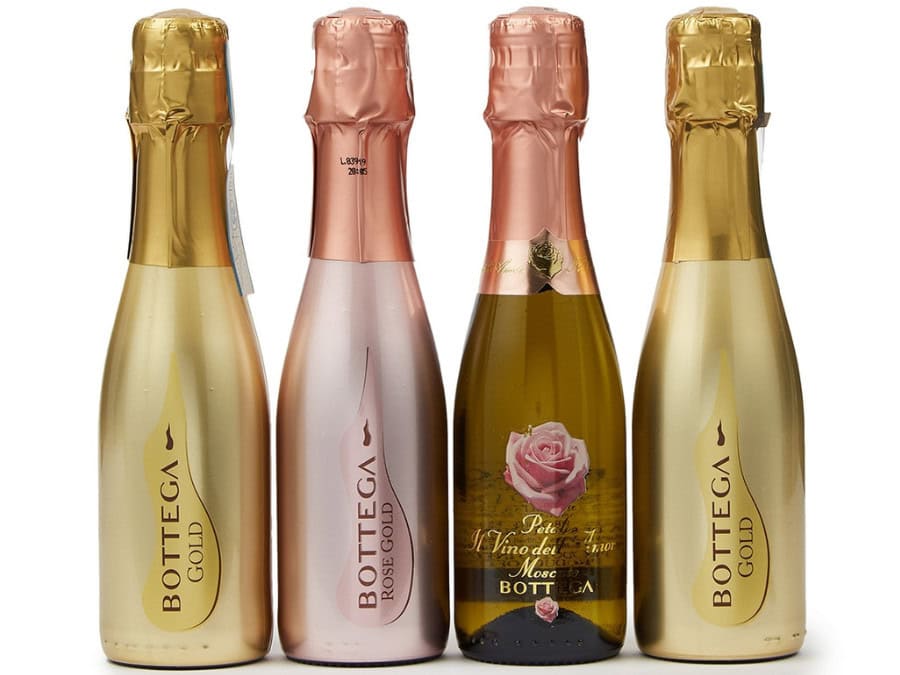
For Sandro Bottega, a flexible approach and a comprehensive offer are the watchwords. The company’s product roster spans medium to high pricing, and flavour profiles ranging from ultra-dry to sweet, while also promoting small, giftable formats such as its 20cl Birilli (above) that are aimed at customers with reduced budgets in these difficult times.
Bottega says: “We can add that Bottega Gold and the other metallised bottles attract immediately on the shelf. Moreover, they convey a message of ‘accessible luxury’ that is widely appreciated by consumers.”
This article is available to Global Drinks Intel members only.
Click below for details on how to join the Global Drinks Intel community.
Already a member?
Log in here to read the article in full.
If you work for any of the following corporate subscribers to Global Drinks Intel, head here to activate your access.
- AB InBev
- Bacardi
- Campari Group
- Diageo
- Moët Hennessy
- Pernod Ricard
- Proximo Spirits
- Suntory Global Spirits
- William Grant & Sons