For in-flight alcohol consumption, sustainability is steering sizable change on the packaging side. Global Drinks Intel catches up with Sustainaholics founder David Mills to discover why he believes 100% recycled aluminium is the answer.
Global Drinks Intel: You launched Sustainaholics in 2022 with the aim of championing sustainability initiatives in global travel retail. Your recent focus has been packaging.
David Mills, founder of Sustainaholics: We’re seeing a switch in spirits bottles from glass and PET to 100% recycled aluminium, with 5cl miniatures today onboard major airlines such as easyJet, British Airways, Lufthansa Group, Air France, Ryanair and Aer Lingus.

GDI: What’s driving this change?
DM: Why? Operational efficiency. Why now? Sustainability. Recently, the options will likely have been endless shelves of heavy glass bottles in duty-free stores, or glass and PET bottles served onboard. Yet neither glass nor PET address the need for an operationally efficient, sustainable material that also feels premium.
GDI: Why do you believe the travel industry needs to move away from glass?
DM: Glass is the most impractical spirits bottle you could advocate for the travel industry: fragile and dangerous when broken, it’s operationally inefficient to pack and store, with its heavy weight generating significantly more carbon emissions and fuel costs when transported than necessary. It’s also highly energy intensive to manufacture.
Glass bottles often look and feel premium with striking designs, but is that enough in these times to justify the significant and avoidable carbon footprint of using it, or the sheer awkwardness of transportation for operators and customers alike?
Clearly, there have always been concerns about glass in travel given the rise of PET as the only shatterproof, lightweight alternative – until recently. However, PET is single-use plastic, with a very poor recycling record. PET also degrades each time it gets recycled; It eventually ends up incinerated, in landfill or in the general ecosystem, including as toxic microplastics in the ocean or your body.
GDI: You’re clearly not a fan.
DM: Beyond being lightweight, the benefit of PET is that it’s so incredibly cheap. This helps brands meet travel retail’s competitive margin demands, although the high environmental cost born by the planet is usually overlooked.
Unsurprisingly, because PET is so cheap, it also looks and feels very cheap. Even the keenest enthusiasts would struggle to argue that being served spirits in plastic bottles is a premium – or even tolerably pleasant – customer experience. Hence, it’s mostly restricted to small bottles.
As we strive to minimise our impact on the planet, sustainability has become a key point of differentiation for brands, hence the rapid rise of aluminium as an alternative.
GDI: Is greenwashing a concern?
DM: It’s crucial to understand that all aluminium is not equal, and only 100% recycled aluminium is a low carbon choice.
Given that 2020 research by the European Commission found 53% of examined environmental claims created unfair competition by being “vague, misleading or unfounded”, there are already examples in the travel industry of highly misleading launch claims made about the environmental benefits of spirits bottles that are made from virgin aluminium.
While virgin aluminium is cheap and easy to source, it crucially has a carbon footprint 20 times higher than 100% recycled aluminium. As the choice has a hugely different environmental impact, if this matters to you, then always ask: is it an ‘aluminium bottle’ or a ‘100% recycled aluminium bottle’?
GDI: How is 100% recycled aluminium different?
DM: It stands out for six reasons: the lowest carbon footprint bottle available; light and operationally efficient; beautifully printed designs; no need for labels; premium and tactile; and it keeps liquid cool.
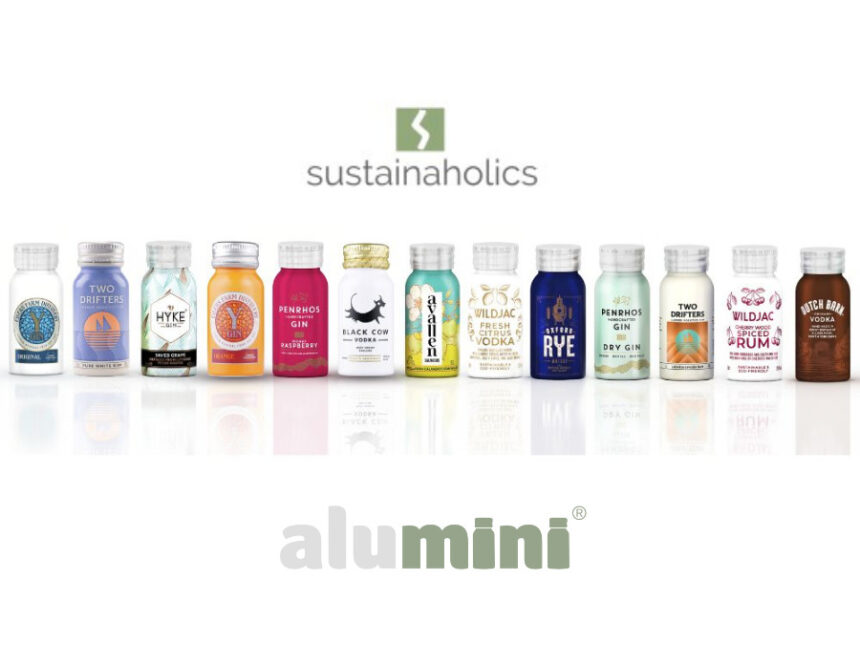
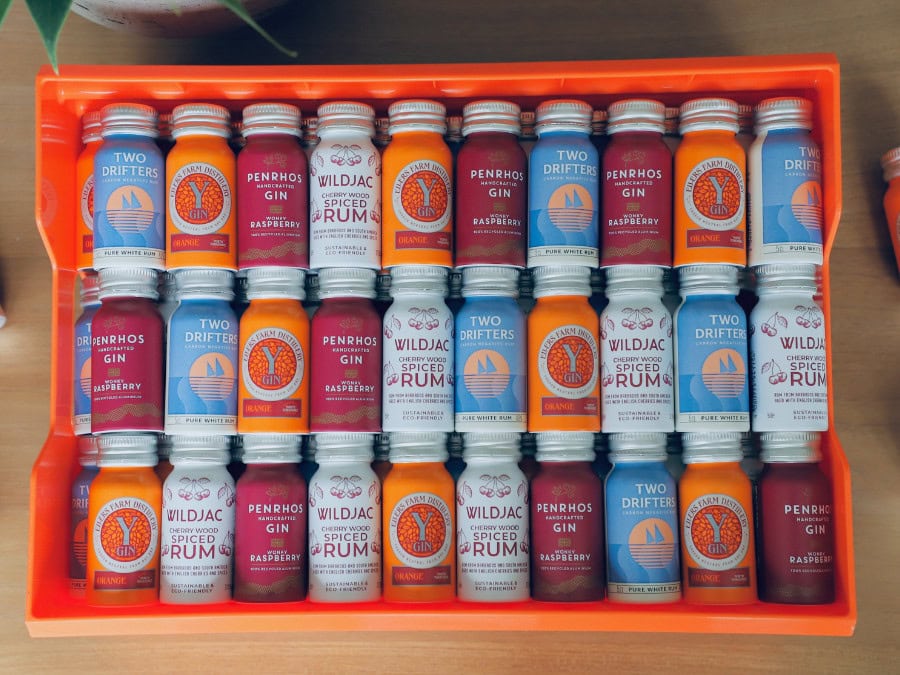
This’s why Sustainaholics launched the industry’s first collection of spirits in ultra-compact, 100% recycled aluminium 5cl bottles in June 2023. The ‘Alumini Collection’ (above) was created with an ultra-compact design, addressing the space and weight constraints all airlines face, and the sustainability issues we all face.
GDI: What would you say to a brand owner who may be on the fence about switching their bottle formats?
DM: It won’t save the planet, or even address the huge, long-term challenge of decarbonising travel. But, as it’s so easy today to significantly reduce the carbon footprint of the spirits bottles available when you travel, shouldn’t we at least do the easy stuff first?
This article is available to Global Drinks Intel members only.
Click below for details on how to join the Global Drinks Intel community.
Already a member?
Log in here to read the article in full.
If you work for any of the following corporate subscribers to Global Drinks Intel, head here to activate your access.
- AB InBev
- Bacardi
- Campari Group
- Diageo
- Moët Hennessy
- Pernod Ricard
- Proximo Spirits
- Suntory Global Spirits
- William Grant & Sons