The global market for cocktails is thriving. Data from CGA by NIQ’s ‘Global Cocktail Report’, which gathers responses from more than 30,000 consumers across 38 countries, reveals that mixed drinks remain a popular category, with more than one in four on-premise users engaging with it. The top beverage category is beer (51%), followed by soft drinks (33%) and wine (31%).
The report indicates a growing popularity for tequila and agave spirits-based cocktails. Two of the world’s most popular serves, the margarita and the tequila sunrise, have shown year-on-year growth. Rum-based cocktails also continue to enjoy immense popularity, with the mojito and the piña colada featuring prominently in the top five.
Trending flavours
Another classic cocktail that is experiencing a positive trend is the espresso martini, which increased 2 percentage points, from 13% to 15%. This not only underscores the enduring popularity of vodka as a base for mixed drinks (the sex on the beach cocktail remains firmly fourth globally, with 22% of preferences), but also reflects the rise of coffee as a flavour trend in drinks. In fact, over the past year, cocktails with a coffee flavour have risen from 19% to 22%. Such an impressive performance is only matched by chocolate (rising from 15% to 19%), followed closely by vanilla, which grew nearly three percentage points (from 19% to 22%), and honey (from 14% to 15%).
The increased popularity of these flavours indicates a surging demand for indulgent sensations as part of the cocktail-drinking experience.
Meanwhile, tropical fruit flavours, such as mango, passion fruit and pineapple, remain in high demand, and are favoured by up to 30% of on-premise users. Similarly, citrus fruits, particularly classic lemon (31%), lime (28%) and orange (26%), continue to enjoy widespread popularity.
Paying attention to trending flavours can certainly help businesses tap into the appeal of non-alcoholic mixed drinks, which are significantly on the rise. When grouped with mocktails (not including alcohol spirits) and virgin cocktails (include non-alcohol spirits), the category emerges as the most popular no- & low-alcohol option in the on-premise, chosen by almost 35% of consumers – more than no/low-alc beer options. Meanwhile, no/low-ABV wine ranks a distant third with only 24% of drinkers finding it appealing, followed by no/low-alcohol spirits consumed neat (20%).
These figures, however, do not indicate that cocktail drinkers are betraying high-proof options. Cocktail fans do show a preference for lower-ABV drinks (51%) but, at the same time, they display a slightly more pronounced acceptance of higher-ABV drinks (47%) compared with the average consumer (41%). This suggests that while cocktail drinkers are increasingly craving more mindful drinks, they’re also likely to continue enjoying full-proof options for the foreseeable future.
Influencing factors
Cocktail types and recipes alone are not sufficient for brand owners and on-premise operators to successfully tap into the potential of mixed drinks. Instead, the data needs to be integrated with more granular information on the drivers that influence purchases and, crucially, how these differ from the average on-premise visitor.
For instance, cocktail drinkers exhibit a stronger preference for good value (43% vs 38% of average drinkers). Therefore, businesses must ensure that the quality of drinks consistently justifies the price point and is perceived as worth paying a premium for, especially when compared to other categories. This is particularly crucial when competing with beer, which is perceived as offering standout value for money.
Indeed, cocktail drinkers display a notably preference for high quality (41%) and for drinks that convey a sense of premiumness (23%). Notably, 41% express a willingness to pay more for a better-quality drink, which is over 10pp higher than the average on-premise user.
This inclination becomes even more pronounced when drinkers are presented with a straightforward choice between a cheap or high-quality drink: while just over 60% of average drinkers opt for the latter, nearly 70% of cocktail enthusiasts choose quality, emphasising their strong preference for premium experiences.
Other important factors influencing consumers’ decisions when choosing cocktails are somewhat more emotional in nature. Cocktail drinkers seek trustworthiness in their glass (+7pp), whereas beer, wine and cider are perceived as more consistently delivering what consumers want.
Additionally, over 8pp more cocktail drinkers want their liquid to feel ‘interesting and unique’, leading more than half of them to enjoy trying new and different drinks or brands – a significant 18pp more than the average drinker.
When asked whether they prefer well-known brands or new and interesting ones, cocktail enthusiasts are significantly more likely to choose the latter compared to the average user. This trend is likely due to on-premise visitors being more loyal to brands when it comes to beer and to spirits consumed neat, yet being open to experimenting and try less-established brands in cocktails.
While this might pose a challenge for establishing brand loyalty with mixed drinks, it also creates opportunities for introducing new products through trusted and popular cocktail recipes. When comparing consumer views across different beverage categories, cocktails are generally seen as the most exciting and innovative in the on-premise, with people praising the segment for offering the most diverse range of options.
Social media strategy
To further increase the chances of people trying new drinks, brands can leverage the significant influence of social media platforms, as cocktail lovers are very likely to visit a venue and purchase food or drinks after seeing them on Instagram and other channels.
Social media posts drive some 85% of on-premise users to visit a specific café, bar or restaurant – over 13pp more than the average user. Similarly, nearly 81% say that social media influenced their purchase of a specific food or drink in the on-premise channel, a remarkable 15pp higher than the average drinker.
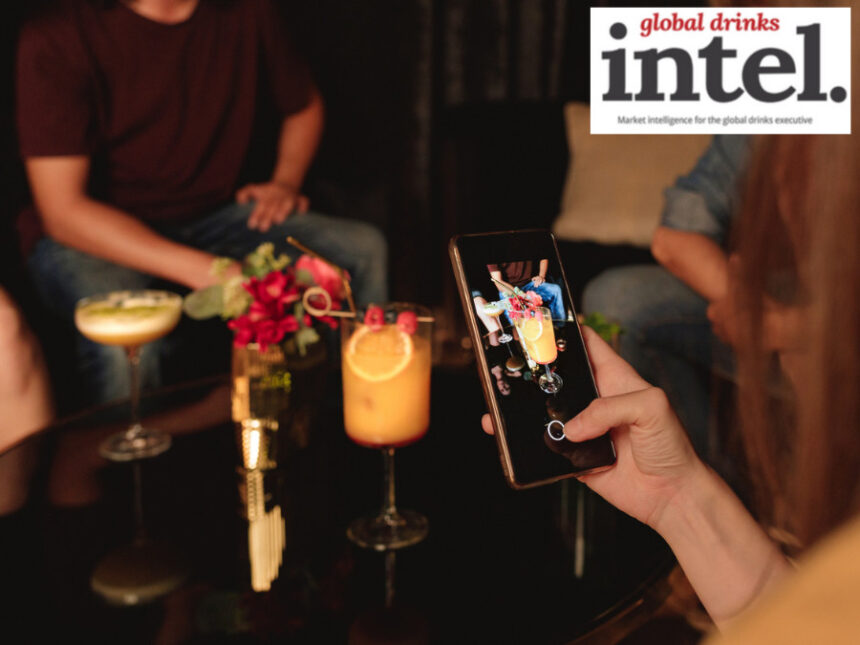
Cocktail fans also tend to affect their peers’ decisions, with 76% (16pp more than the average) likely to recommend a specific drink if they had a positive experience trying it in a venue. While these recommendations can be verbal, they often come through social media too, as the aesthetic appeal of cocktails makes them highly shareable. Indeed, consumers say that cocktails are the most visually pleasing drinks they love to share online.
Businesses need to consistently meet these aesthetic expectations, then, if they want to drive loyalty and attract new customers.
These insights highlight the overall good health of the cocktail category. While there are challenges – such as justifying price points and building trust to become more reliable for consumers – these should be seen as opportunities.
Further to this, CGA’s ”Global Bartender Report’ reveals the importance of understanding how bartenders think and behave, and how this can deliver significant growth in cocktail sales. The research makes it clear that bartender engagement should be a top priority for all brand owners, as their recommendations can help steer drinkers towards trade-ups while also educating the consumer within this category.
By addressing these challenges and relying on granular consumer and bartender research, brand owners and on-premise operators can discover untapped potential to fully capitalise on cocktails, a category that is poised to remain one of profitability and excitement in the months and years to come.
CGA by NIQ’s suite of research services offers brands, suppliers and operators an unparalleled and comprehensive view of the global on-premise and the cocktail category.
The Global Cocktail Report compares key on-premise consumer metrics across 38 markets to provide an in-depth analysis of cocktail category trends and insights. This resource supports on-premise businesses with detailed in-market insights, benchmarking comparisons of category preferences, tracking macro trends, and understanding where and how to reach target consumers.
For further analysis and understanding the nuances of cocktail consumer habits and preferences segmented by outlets and occasions, explore CGA by NIQ’s OPUS survey – a nationally representative audit of on-premise users – to reveal unique insights for your channel strategies.
To learn more, click here or email George Argyropoulos at [email protected].