

This article has been available to Global Drinks Intel subscribers since October. For details on how to join them, please click here.
A subculture often coalesces around a shared, almost tribal-like streak. Like any minority group, it defines itself through what it does. This is often portrayed in a specific visual aesthetic and language.
What’s particularly interesting is that because of the rituals they establish, subcultures have an interesting habit of forming strong communities. These communities tend to share and communicate in a way that creates loyalty. Moreover, members of these subcultures tend to garner more social status and influence online than more mainstream consumers.
The net result is that one subcultural consumer is probably worth 100 times more than a mainstream consumer.
Many beverage brands spend their time defining a unique segment of consumers – if your goal is to spend millions on paid-for media, this is a great strategy. However, if you want your brand to outpace the growth of paid-for media, brands should consider the interrelationship between their unique consumer segments and finding a strong subculture.
Understanding the interplay between the two is like discovering the key to Pandora’s box. It’s how at Impero, we worked alongside the global marketing team at Pernod Ricard’s Chivas Regal brand to build a new strategy focused on opening up the blended Scotch whisky to a broader contemporary audience, expanding Chivas beyond traditional Scotch drinkers.
Authenticity, however, is the key to entering a subculture and this is where many brands fall short.
Aligning to a subculture so often lands on the shoulders of the youngest marketing executive, when the truth is, if you want to put culture at the heart of your brand, the responsibility should lie with the chief marketing officer.
Here’s a look at which brands have been successful in cracking the subculture code.
Monster Energy
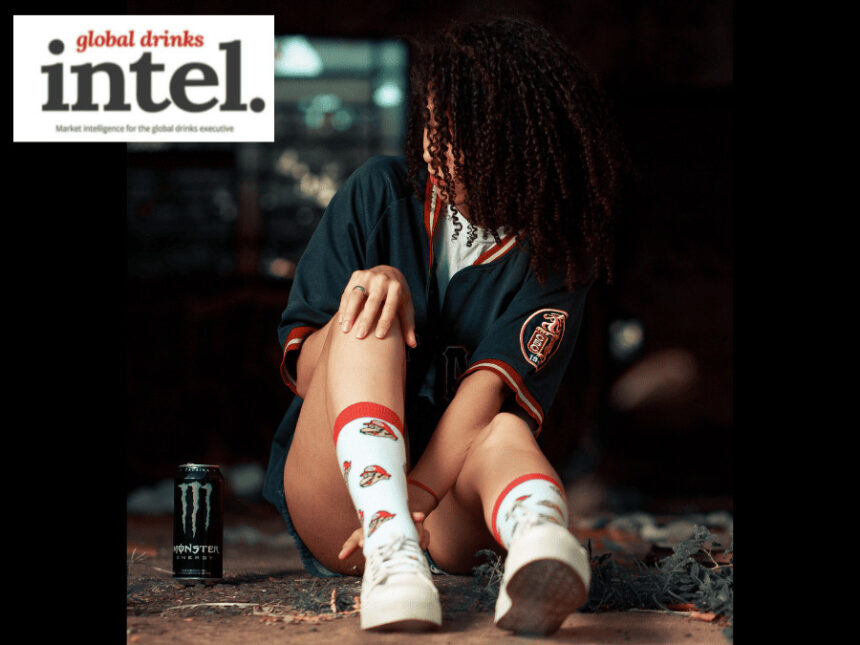
Monster Energy defines its consumer as a hell-for-leather, party-all-night, rude-lewd-and-tattooed maniac, describing them as a “berserker”, someone who seeks lots of crazy for little money. The brand has created a visual world clearly aligned to goth culture, while its branding uses the line ‘Unleash the Beast’, and the annual ‘Monster Energy Outbreak’ music tours feature artists who appeal to this subculture.
As a result, Monster has become known as the de facto drink for goths.
Chivas Regal
In Scotch, Chivas Regal was always seen as a status brand, but to grow outside of the confines of the Scotch category, the blended malt needed to update its strategy.
Two years ago, we started working alongside the brand to understand how it could win the next generation of luxury consumers globally. In a team led by Chivas Regal’s global marketing director, Nick Blacknell, we started by identifying a new consumer and then linking that to a subculture. We realigned the brand to street culture, which led to an impressive uplift in sales globally.
Using this insight, Chivas’s marketing department worked with teams in local markets to identify key partnerships to help cement the brand’s place in culture, while driving sales. Most recently in the UK, Chivas teamed up with British rapper Stefflon Don to celebrate those who are redefining success while elevating their crew along the way. By launching a ‘Chivas 12 x Stefflon Don’ limited-edition bottle as part of the partnership, Chivas was able to bring the campaign into various moments of consumption, which in turn has grown the brand’s equity.
Sprite
Understanding hip-hop’s legacy doesn’t require reliving Jay-Z/Nas battles or Kriss Kross fashion trends. But connecting your brand with this culture, beyond clichés, benefits from such knowledge. This summer, Sprite honoured hip-hop’s 50th anniversary by reuniting Rakim and Nas, and teaming up with Latto and rising rapper GloRilla to remix ‘Rapper’s Delight’. Executed by Majority, Adweek’s ‘2022 Breakthrough Agency’, the campaign also engaged Drake and introduced a strawberry-infused Sprite.
The brand’s director of creative strategy, AP Chaney, has emphasised Sprite’s lasting commitment to hip-hop – this dynamic intersection of brand and hip-hop shapes a resonant cultural narrative.
It works because it’s authentic. Indeed, GloRilla is one of many who have praised Sprite’s genuine support for the genre.
Subcultures are akin to tight-knit tribes, defining themselves through distinct practices and visuals. Their ritualistic nature forges robust communities, marked by unique communication patterns that breed loyalty and peer-to-peer behaviour. What sets them apart – and makes them so important from a marketing perspective – is their strong social status.
Championing subcultures intertwines brand narratives with dynamic cultural forces and can be the catalyst for brand growth if you link your media-led strategy with a deep understanding of the subculture you want to align with.
True brand authenticity is the gateway to subcultures, as exemplified by Monster’s allure to the goth community and Sprite’s tribute to hip-hop. To find a way in, though, your CMO needs to step up and take the lead.
This article has been available to Global Drinks Intel subscribers since October. For details on how to join them, please click here.