

Rum is building momentum in the US. Today, the category is one of the most steadily growing and continues to benefit from several intersecting popularity shifts.
Among younger consumers, the momentum of craft, spiced, aged and imported premium brands makes for a bright outlook for the segment moving forward. A recent Drizly survey even noted that one-third of respondents were more likely to spend money on rum than whiskey/whisky.
Rum’s growth has also been reflected in M&A in recent months. Late last year, Brown-Forman acquired the premium brand Diplomático. Pernod Ricard also significantly increased its minority investment in Sovereign Brands, which produces the Caribbean rum Bumbu. Elsewhere, Ten-to-One Rum gained additional investment from Pronghorn, while Diageo added the Philippines rum brand Don Papa to its stable in January.
In 2021, according to IWSR Drinks Market Analysis, the global rum market was worth US$15bn and is expected to reach $21.5bn by 2027, representing a CAGR of 5.5%.
How big is rum in the US?
The category is currently led in the US by the mainstay brands of Bacardi, Captain Morgan [Diageo] and Malibu [Pernod Ricard]. Two years ago, Malibu, the third largest rum in the country, sold around 2m nine-litre cases more than the next largest, indicating that the top brands command a more highly concentrated share of attention than leading brands in other spirits categories.
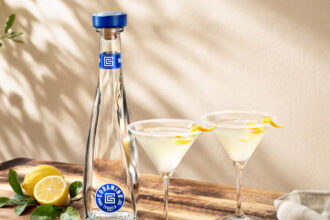
While Malibu added the most cases of any brand in 2021 (+244,000 on 2020), rum is being pushed forward by other high-growth brands including Blue Chair Bay and Flor de Cana. From 2019 to 2021, both saw their volumes grow by at least 8%.
In 2021, consumers spent nearly $8.7bn on rum in the country's off-premise channel.
The trends driving rum’s popularity
- Evolving consumer perception
Consumer perception of rum has evolved in recent years. While sales are still dominated by major producers, consumer preferences are shifting away from value options and towards an appreciation for craft and aged expressions.
Across all spirits categories, aged is a growing segment - rum is no exception. While this has been primarily facilitated by whiskey’s popularity in the US, introductions of aged rums in the market are also on the rise.
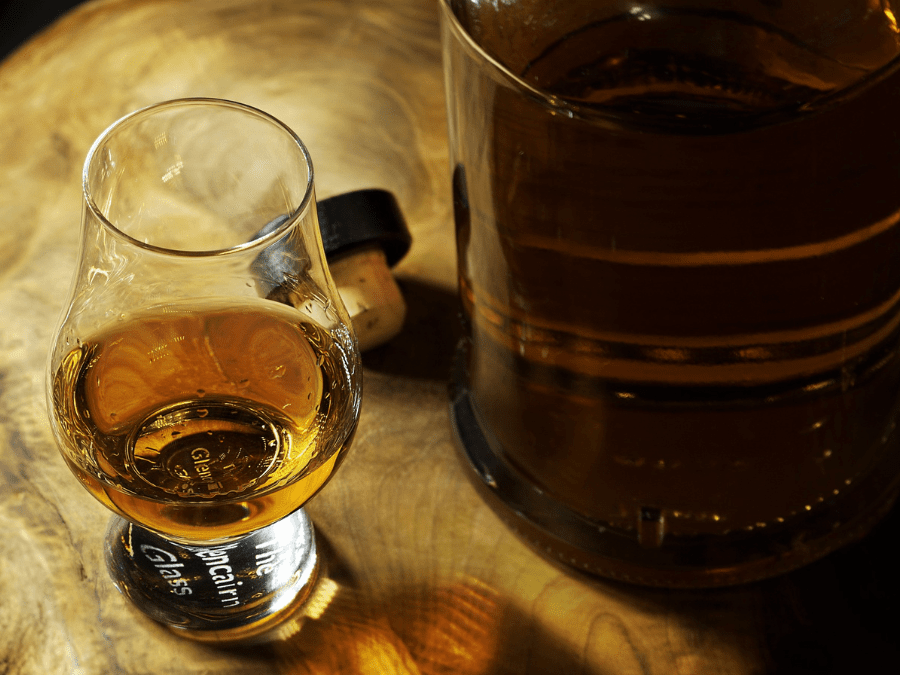
The growing influence of aged and high-quality expressions has seen consumer perceptions shift. Many now see rum as a premium offering that can be sipped and appreciated in much the same way as rare whiskies and Tequilas.
Aged rums usually sell at a lower price point compared to other aged spirits, making them an accessible value proposition to many consumers.
- Increasing consumption occasions
Rum is also a uniquely diverse category with white, dark, aged and flavoured varieties contributing to a myriad of use occasions and channel opportunities that brands can take advantage of.
Rum also provides a key function in cocktail culture. While the spirit is a staple of tiki bars in the on-premise, the category is also one of the only spirits for which it’s common to blend multiple varieties in the same cocktail.
According to Bacardi’s 2022 Cocktail Trends Report, four of the top ten best-selling cocktails are rum-based, making the spirit a must-have for all on-premise operators.
- Shifts in marketing & branding
Rum’s perception shift is in part due to a conscious effort by brand owners to change how the category is marketed. Last year saw this open up significantly, with brands departing from the nautical branding style that had previously been synonymous with the category.
Brands of the past few decades have taken a marketing approach based on sea-oriented themes, as toted by category mainstays such as William Grant & Sons' Sailor Jerry, Captain Morgan and Kraken Rum from Proximo Spirits. Instead, a new wave of premium brands like Ten to One, Foursquare and Diplomático have leaned into the production techniques and the history of the spirit to market their products.
Going forward, brands will continue to try to educate consumers about the category and implement quality cues to build out rum’s perception as a premium spirit.
This article was initially published by Park Street.