


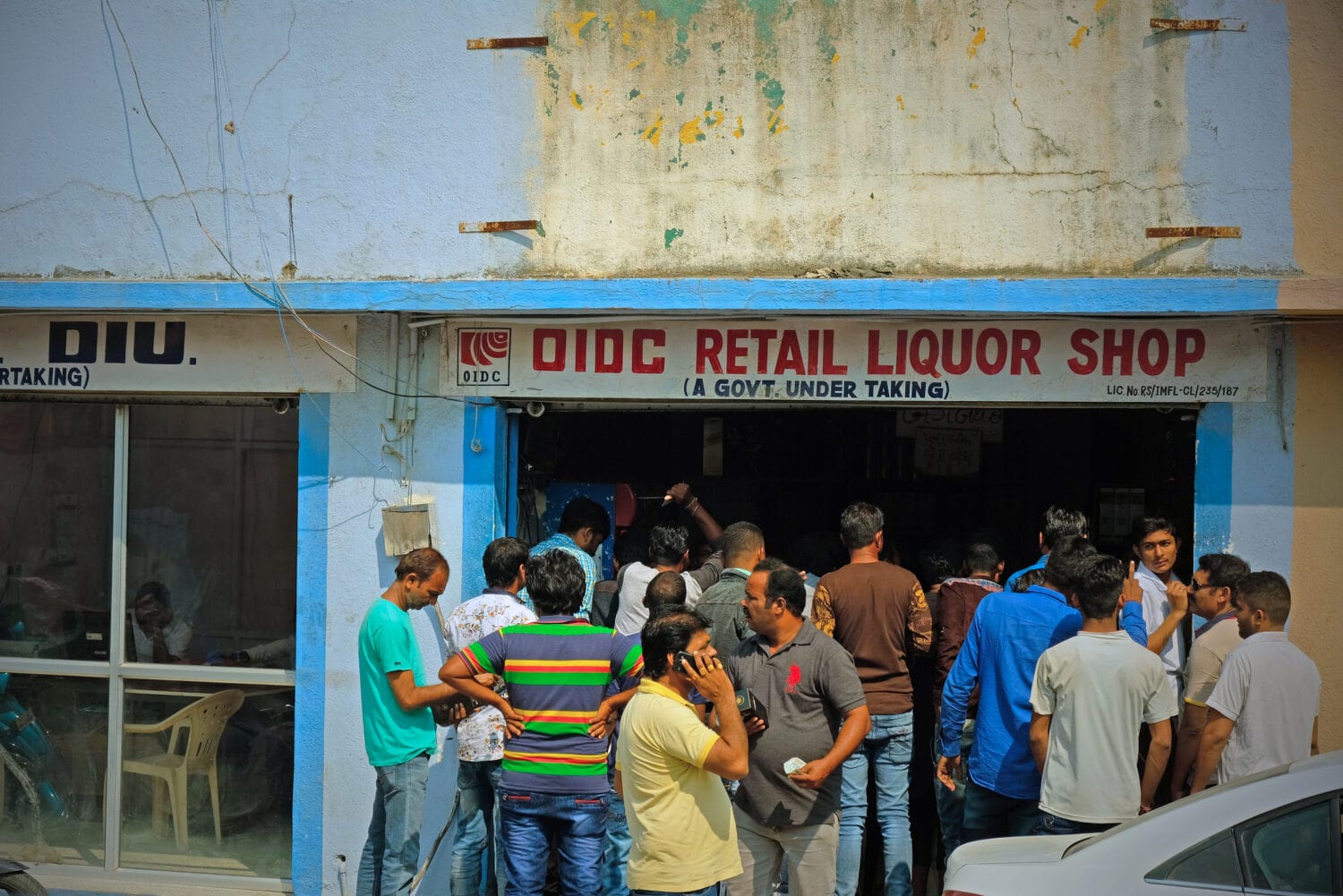
The ingredients for success in emerging markets
Emerging markets offer a great opportunity for alcohol beverage brands if they are approached and managed in the right way. Copying and pasting strategies used in developed markets will more than likely not work and different ingredients are needed to be successful. Brand owners who wisely choose which markets to focus on, take a long-term and local approach, build a strong route-to-market and are agile stand a much better chance of success. Emerging markets can look attractive to alcohol beverage brand owners, especially those already established in developed markets. They offer untapped and faster growth opportunities and access to a vast number of new consumers. However, they are generally higher risk, more complex and less understood. They require different approaches and strategies to those in more ‘familiar’ developed markets.
So what ingredients do brand owners need to add to their plans to build a successful long-term business in emerging markets? Here are five that are worth considering.
1. Decide which markets to focus on and why
Emerging markets themselves are all at different stages of development; some are further advanced and ‘developing’, while others are at the earlier stages of their development where the term ‘frontier’ may be the more appropriate one to use. A start point for brand owners should be defining what an emerging market means for them and the factors they should use to identify the ones to focus on. The list of criteria will probably include topics such as the number of consumers who can afford to purchase your brands, category size and growth, and the ease of doing business.
2. Take a long-term approach
Emerging markets may well offer attractive short-term growth prospects, but they are also more volatile and unpredictable. Factors such as currency exchange rate swings, foreign exchange availability and political changes can have a big impact on pricing, affordability and consumer behaviour in a market. Brand owners operating in emerging markets need to learn how to manage and navigate through the inevitable ups and downs. Those that lay deep roots and treat doing business in them as a marathon rather than a sprint stand a higher chance of success.
3. Take a ‘local approach’ to building business and brand awareness
It is important that global brands don’t change their DNA and stay consistent with what they are communicating globally. However, they do need to make sure they are locally relevant. This may require global marketing material to be adapted to communicate global brand messages in ways that resonate with consumers at a local level.
Developing local consumer and market insights such as understanding key consumption occasions, local preferences and needs is critical. It is important not to assume the way consumers behave in developed markets will be the same way those in emerging markets behave. Consumers in some African markets, for example, prefer to drink their beer at room temperature rather than chilled.
A local approach also means knowing where to find and engage with your target consumers. Brand distribution should be focused on places where consumers can afford to purchase your brand rather than taking a scattergun approach. Pack sizes and products may need to be adapted to suit local needs and tastes. To make brands more accessible and increase purchase frequency in lower-income markets smaller pack sizes may well play an important role. Also, local flavour preferences should be taken into consideration. This could mean changing the flavour of a product itself or recommending drink serves that use local fruits and spices.
Having people on the ground in emerging markets helps foster a ‘local approach’. Local knowledge and having eyes and ears in the markets is critical to ensure fewer mistakes are made, as well as helping to manage and execute plans correctly. By investing in people in emerging markets, brand owners also help increase the skills of local people and develop future managers and leaders.
4. Build a strong route-to-market and develop local relationships
Choosing the right route-to-market model for a brand in an emerging market is critical. It is important to understand the different types of outlets in a market, how they are supplied and identify which ones are important for your brand to be available and seen in. Distributors often play a key role since they provide local knowledge and distribution expertise. It is also important to establish business and brand key performance indicators which may well be different to those in developed markets, with importation, logistics and reporting measures taking high importance.
Building and developing other local relationships with customers, suppliers and service providers is also important to further understand local market needs and nuances.
5. Stay agile
Emerging markets are unpredictable, untested, and present many challenges and opportunities on a weekly and often daily basis. Due to a lack of accurate data or indeed sometimes any data at all brand owners need to be comfortable making decisions based on more qualitative information and local market knowledge. This also means that they need to be creative in finding information to help them make decisions or measure progress. Very quick decision making is often needed, as is a test-and-learn mindset.
Because of the volatile nature of emerging markets, it is also important that plans are not rigid and there is flexibility to adjust them quickly when changes take place in a market.
Emerging markets offer a great opportunity for alcohol beverage brands if they are approached and managed in the right way. Copying and pasting strategies used in developed markets will more than likely not work and different ingredients are needed to be successful. Brand owners who wisely choose which markets to focus on, take a long-term and local approach, build a strong route-to-market and are agile stand a much better chance of success. GDI